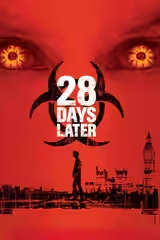
Most critics come down in favour, and the praise gathers around the same things: the digital-video photography of an emptied London, which several reviews call eerie or poetic, the early stretch of near silence, and the fast, vicious infected. Many read it as a parable about human nature under strain rather than a plain zombie picture, and treat that as a strength. Christopher Eccleston’s soldier draws a mention. The retrospective reviews are the warmest, crediting the film with reviving the genre.
The reservations cluster on the last act. Even admirers find the final third’s turn into gore and action a letdown after the first hour, and the spread is wide. Three contemporary reviews, Variety, Screen Daily and Eye for Film, dismiss the script as sloppy and the characters thin. The New Yorker finds it short on actual fright. The dissent is concentrated at the time of release; the later reappraisals do not share it.
S
Sight and Sound
1 January 2002 · Mark Kermode
90*
The critic hails Boyle's return to form with a back-to-basics genre hybrid that delivers pacey entertainment on a modest budget. It singles out the striking use of digital video for its hauntingly poetic vision of a devastated London and strong performances, especially Christopher Eccleston's menacing soldier.
Read the full review →R
RogerEbert.com
27 June 2003 · ★★★½/4 · Roger Ebert
88
It begins as a great science fiction film and continues as an intriguing study of human nature with well-developed characters whose personalities drive the story. The ending is a disappointing action shoot-out, but for most of the way it is a tough, smart, ingenious ride powered by understanding of human nature.
Read the full review →L
Los Angeles Times
27 June 2003 · Manohla Dargis
85*
The wonderfully, horribly scary movie induces physical reactions more often associated with the news than monster flicks, turning London into a disquietingly credible wasteland with shrewd nerve-shredding entertainment and an environmental cautionary tale. For its first hour it is about as good as it gets in the horror genre, though it loses steam later.
Read the full review →S
Slant Magazine
5 June 2003 · Jeremiah Kipp
80*
The critic calls it a genuinely scary post-apocalyptic zombie movie that works well on its own merits with economic storytelling and empathy for characters. They single out the hard-driving intensity and topical rage-virus metaphor while noting minor faults like blurry digital-video action and familiar army-base conflict.
Read the full review →G
The Guardian
1 November 2002
80*
The critic praises Danny Boyle’s exhilarating new film as a muscular, virile piece of film-making, highlighting its use of locations and digital video shooting, while noting it flags during some scenes with redundant gore.
Read the full review →F
Film Comment
· Cecilia Sayad
75*
The critic views the film as a timely post-apocalyptic tale of a rage virus turning people into cannibal killers in Britain, linking its themes to real-world anxieties around 9/11, biological threats, and SARS. Boyle is praised for blending fluid digital video camerawork with surreal, nightmarish imagery of the infected.
Read the full review →N
The New York Times
27 June 2003 · A. O. Scott
70*
The critic finds the film an interesting and chilling parable on the fragility of civilization and human nature under duress after a rage virus outbreak. It is praised for its eerie emptiness in early scenes and its debt to George Romero's zombie films.
Read the full review →T
Total Film
1 November 2002
70*
The critic finds it a crude but sometimes startling serving of schlock horror, with velocity and ferocity compensating for leaden conversation and ugly DV photography. Worth a go, especially for the precise scares and grand guignol excess in the final chase sequences.
Read the full review →A
The AV Club
30 June 2003 · Nathan Rabin
55*
The critic praises the terrifying start, inspired digital-video cinematography, and fresh fast zombies used sparingly for shock value. They single out the frustrating third-act shift into gory, over-the-top bloodshed and ham-fisted allegory that diminishes the earlier scary poignancy.
Read the full review →N
The New Yorker
23 June 2003 · Anthony Lane
45*
The setup is gruesome and the film comes as good news for its focus on fleeting gestures and blankness in a post-plague world, but it loses its way with a shortage of superior zombies and a serious shortage of fright due to larky black comedy habits and choppy editing instead of lingering on monstrosity.
Read the full review →S
Screen Daily
24 October 2002
30*
The film is a serious-minded but sloppily plotted homage to 1970s genre giants that fails to add significant new elements and degenerates into familiar, overwrought staples. It lacks coherent purpose, sufficient gore or humour for genre fans, and provocative social comment for others, though shock tactics deliver some frights and there are attempts at emotional depth.
Read the full review →V
Variety
24 October 2002 · Derek Elley
30*
The review criticizes the film as a garbled faux-low-budget zombie picture with a poorly worked script that shows disdain for the audience, despite some flashes of flair and effective early scenes. It faults the lack of character development and background while noting shocks and gore in the attacks.
Read the full review →P
Paste
27 June 2023 · Jim Vorel
90*
Praises the film as the best horror movie of 2002 for revitalizing the zombie genre with fast, vicious infected and its stark vision of societal collapse in an eerily empty London. Singles out its powerfully nihilistic take on human nature as the core strength, noting glimmers of hope amid the bleakness.
Read the full review →/
/Film
29 June 2018 · Joshua Meyer
85*
Views the film as a timely humanist parable and genre-changer that introduced fast-running infected while critiquing toxic rage and social intolerance. Highlights its influence on later zombie stories and enduring relevance as a short, effective tale of humanity's darker impulses.
Read the full review →S
The Skinny
18 July 2023 · Zoe Crombie
85*
The critic praises 28 Days Later as a horror masterpiece ahead of its time that revitalized the zombie genre with its British specificity and social realism roots. They single out the national specificity and John Murphy's score for particular praise.
Read the full review →E
Eye for Film
31 October 2002 · Angus Wolfe Murray
30*
The critic finds the post-apocalyptic setting and use of silence effective but faults the script's lack of logic, thin character development, and implausible plot turns involving the virus and military survivors.
Read the full review →Ordered by the weight we give each publication, then by score. Scores are normalised to 100; * means inferred from an unrated review. Summaries are ours, not quotations; follow the links for the reviews themselves. How we rate