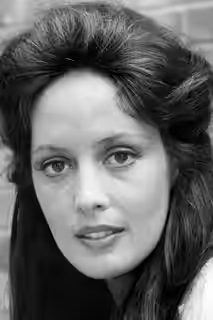
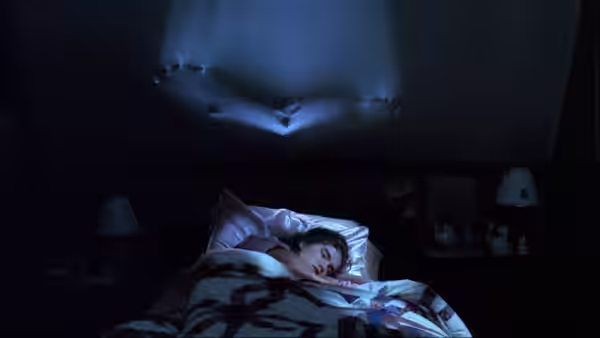
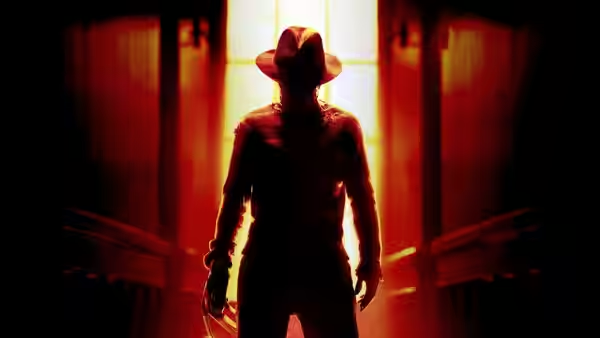
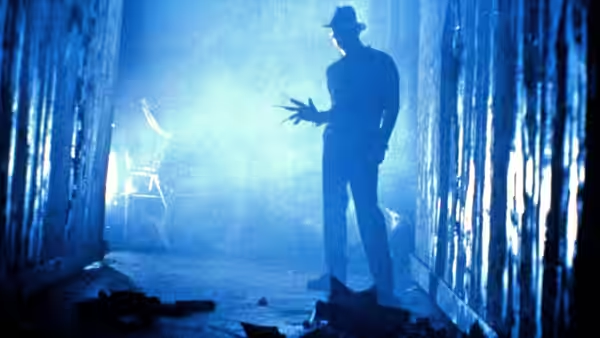
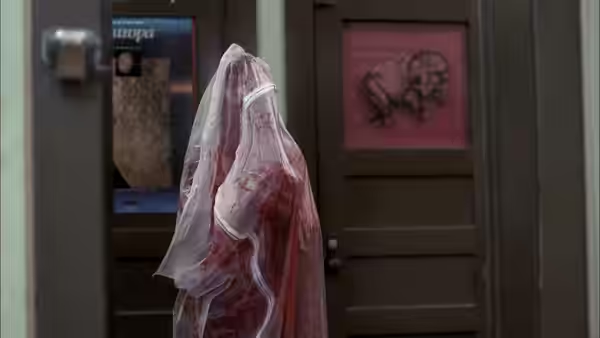
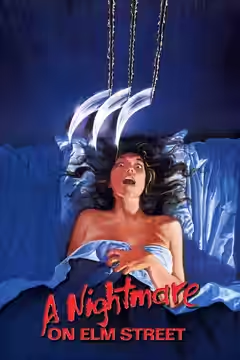
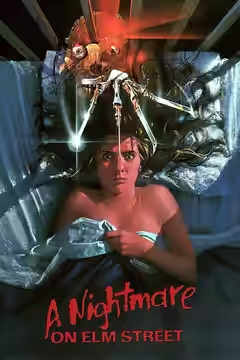
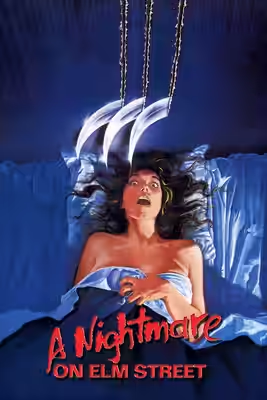
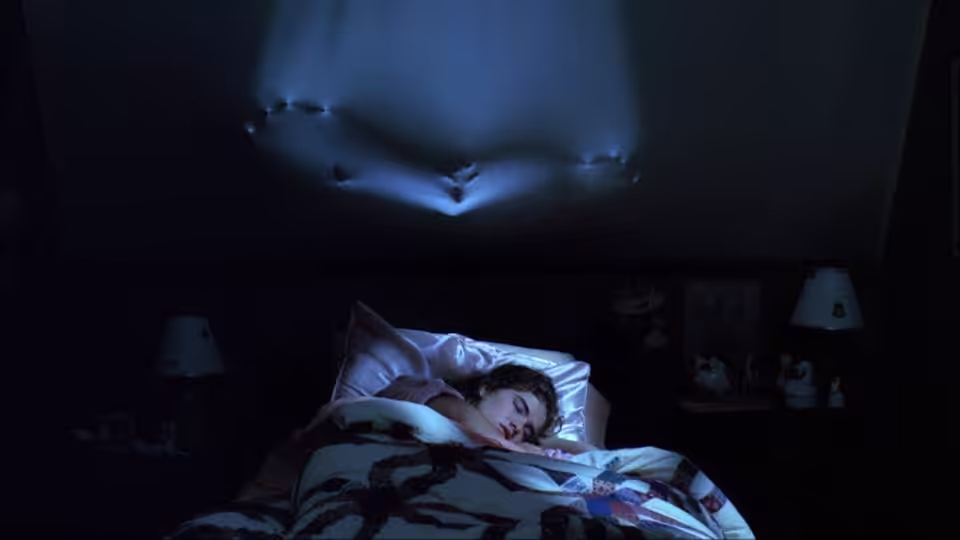
Nancy Thompson (Heather Langenkamp) lying in bed staring upward
Film review

A Nightmare on Elm Street

1984 · Directed by Wes Craven · 1h 31m · MPA R

In a sentenceNinety-one minutes of making insomnia look like a useful precaution

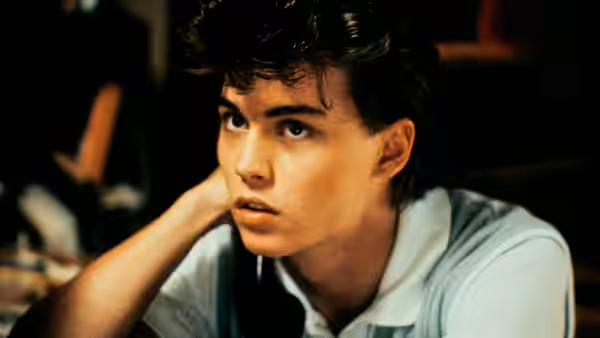
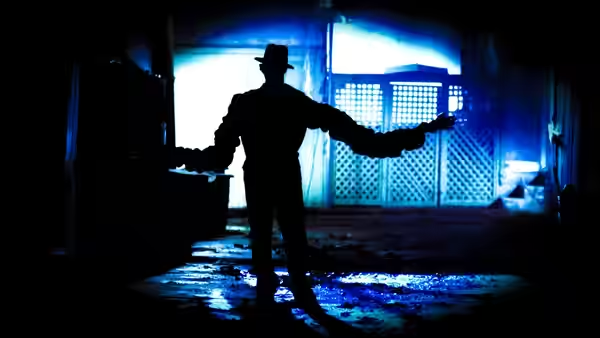
Nancy Thompson (Heather Langenkamp) faces a threat that reaches her through sleep. A killer called Fred Krueger (Robert Englund) invades teenage dreams, making the distinction between nightmare and waking life increasingly difficult to trust. Glen Lantz (Johnny Depp), Tina Gray (Amanda Wyss) and Rod Lane (Jsu Garcia) are among the young people in Wes Craven’s horror film, where staying awake begins to seem like a necessity. As Nancy confronts Krueger, fears surrounding sleep become tangled with questions of parental guilt. John Saxon plays Lt. Donald Thompson, and Ronee Blakley plays Marge Thompson.

Plays from YouTube when you press play; nothing loads from them until then.

Fi1m review

Wes Craven makes the need for sleep frightening in a horror film full of malicious invention. The effects sometimes show their age and the writing gets untidy, but Nancy’s predicament gives the scares a reason to matter.

Wes Craven’s A Nightmare on Elm Street is a frightening, inventive horror film with a few rough edges worth forgiving. A killer who reaches teenagers through their dreams is a simple idea, and Craven, who also writes, understands how little explanation it needs. Everyone has to sleep. There is no sensible precaution that will make that requirement go away, and the film gets considerable suspense from waiting for exhaustion to win. Within the slasher genre, it is an unusually effective way of making escape seem temporary.

Heather Langenkamp’s Nancy Thompson gives us someone to worry about while Craven tests the possibilities of his premise. Her resistance matters, and Langenkamp keeps the character from being merely a reason to arrange another attack. We found ourselves dreading sleep on Nancy’s behalf. With Robert Englund’s Fred Krueger able to reach her in a dream, tiredness itself becomes frightening. The film makes that predicament easy to understand without asking us to admire how clever it is.

Englund gives Krueger a pleased, malicious energy that is more disturbing than solemn menace would have been. He seems to enjoy the possibilities of this peculiar hunting ground, and his performance suits Craven’s black humour. The laughs do not make the danger harmless, though the broader moments occasionally get close. A little less showing off would sometimes have helped. For most of the film, Englund makes the playfulness unpleasant enough to keep us wary.

Jacques Haitkin’s cinematography makes the passage from waking life into nightmare feel treacherously easy. The images do not let us settle comfortably into a separate dream world with different rules. Gregg Fonseca’s production design keeps the domestic surroundings recognisable, so a bed still carries the expectation of rest. The special effects then make that expectation difficult to sustain. Some look dated, but the impossible events remain disturbing because they are so easy to grasp.

Editors Patrick McMahon and Rick Shaine keep the 91-minute film moving without making its dream logic tidier than it should be. A change of scene cannot be trusted to bring relief, which is exactly right for this story. Charles Bernstein’s music keeps the threat present between attacks. It does useful work holding together scenes whose rules can change without warning. The combined effect is exhausting in the way the premise requires, without the film becoming a chore to follow.

The weaker writing concerns the adults and the suggestion of parental guilt. Craven gives that material enough emphasis to make us look for connections, then leaves some of them frustratingly loose. The adults never become as interesting as the fears attached to them. The closing stretch also strains for another shock when a firmer sense of consequence would have helped. These are noticeable weaknesses, even in a film whose chief business is frightening us.

For a horror audience, the invention and Nancy’s resistance make this an easy recommendation with a specific warning. Anyone who needs supernatural rules to remain consistent may spend too much time objecting to enjoy the experience. Come prepared for some untidiness, and for dream sequences that remain unpleasant even when the effects are showing their age. Perhaps leave an early night out of the plan.

Critical consensus AI synthesised

80
Positive
12
Mixed
0
Negative
0

Every one of the dozen reviews is positive, and most critics land in the same place: the idea carries the film. A killer who reaches teenagers through their sleep is what the reviews return to, and several credit it with reviving a slasher genre that was running out of road. The praise clusters on the dream sequences and the practical effects that stage them: the opening attack on Tina, the blood pouring from the bed, Freddy’s impossibly long arms. Robert Englund’s gleeful turn as Krueger is singled out too.

The spread is narrow and the reservations small. Variety and Empire both find the finale weak, and Time Out thinks the subtext wanders. Collider concedes that camp and dated effects blunt the scares for a modern audience. Slant and Eye for Film note that Freddy grows clownish in the sequels, a complaint about the franchise rather than the film. The 1984 notices are the most restrained; the warmest verdicts come from critics looking back.

The AV Club
14 November 2024 · Matthew Jackson
90*

The piece celebrates the film as a landmark supernatural slasher that upends slasher conventions with its dream-invasion premise. It singles out the inventive, reality-bending opening kill of Tina as the greatest in 1980s horror for its clever execution and thematic depth.

Read the full review →
Vulture
31 August 2015 · David Edelstein
90*

The obituary tribute calls the 1984 film one of the best gimmick horror movies in decades and a breakthrough for Craven. It praises the core idea of inescapable nightmares that literally kill, noting how the original transcends its villain Freddy Krueger.

Read the full review →
Slant Magazine
25 September 2006 · Nick Schager
80*

The film is a landmark for its surreal atmosphere and iconic villain but also helped usher in an era of campy, pun-filled horror sequels. Craven excels at blending sexualized imagery with dream logic and parental guilt themes.

Read the full review →
The Guardian
23 October 2024
80*

The critic calls the 1984 film an ingenious and jauntily outrageous shocker that upends the idea of being kept awake by fear. They highlight its cheerfully crass black-comic energy and the film debut of Johnny Depp.

Read the full review →
The Telegraph
14 August 2024 · Robbie Collin
80*

The critic finds the original film remains unnerving on rewatch due to its era's relative innocence and the teenagers' authentic vulnerability. Practical effects like Freddy’s impossibly long arms are singled out as more nightmarish than modern CGI.

Read the full review →
Empire
1 January 2000 · Simon Braund
70*

The film revitalized the fading teen slasher genre with its premise of a killer invading dreams. It singles out the iconic creation of Freddy Krueger and memorable nightmare sequences like the blood geyser from the bed for praise, while noting a somewhat weak finale.

Read the full review →

Straight answers AI written, from our review

Is A Nightmare on Elm Street worth watching?
A Nightmare on Elm Street is worth watching for anyone who likes horror and can accept some untidy writing, and we scored it 83. Wes Craven makes the plain need for sleep frightening, Robert Englund gives Krueger a pleased malice that keeps us wary, and Heather Langenkamp's Nancy gives the scares a reason to matter. Viewers who need supernatural rules to stay consistent may spend too long objecting.
How long is A Nightmare on Elm Street, and what is it rated?
A Nightmare on Elm Street runs 1h 31m and is rated R by the MPA in the US. It is a horror film.
Where can I watch A Nightmare on Elm Street in the US?
A Nightmare on Elm Street is available to rent from Amazon Prime Video from $5.99. Availability is checked daily; the links above go straight to each service.
How violent or frightening is A Nightmare on Elm Street, and is it suitable for children?
A Nightmare on Elm Street is a 15 in the UK and R in the US, and it is not suitable for children. It is a slasher film built on dread, with dream sequences that stay unpleasant even where the special effects show their age, and a black humour that does not make the danger harmless. Older teenagers who enjoy being frightened should be fine; the squeamish and the easily unsettled will not.
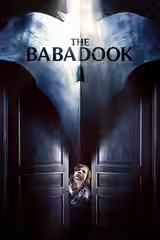
How does A Nightmare on Elm Street compare to The Babadook?
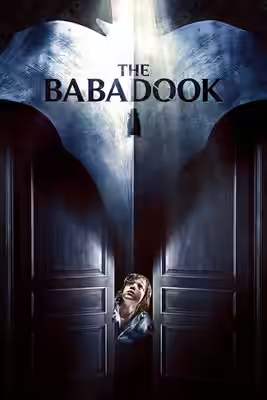
A Nightmare on Elm Street and The Babadook both make exhaustion part of the fear, but Craven's film is a slasher with a killer who hunts through dreams, while Jennifer Kent's is a slower domestic horror about a worn-down mother. The earlier film is the more inventive and the more fun; the later one is the more credible about family, and more wearing. Choose Craven for scares, Kent for the family.

Cast

If you liked this, try…

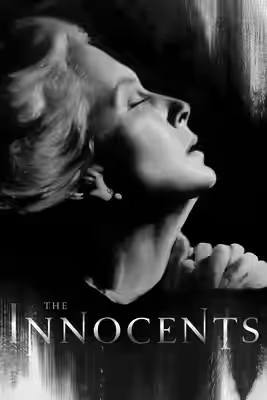
  1. The Innocents (1961) · not reviewed yetFor carefully sustained uncertainty and a house that offers no reassurance.

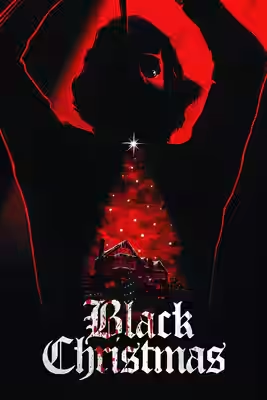
  2. Black Christmas (1974) · not reviewed yetA slasher built around vulnerable private spaces and a threat kept unnervingly close.

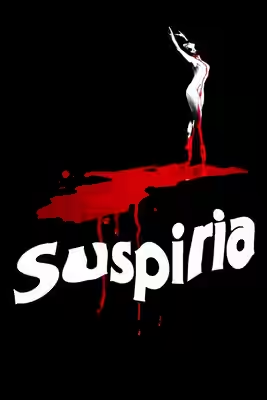
  3. Suspiria (1977) · not reviewed yetFor nightmare logic, aggressive colour and music that refuses to offer comfort.

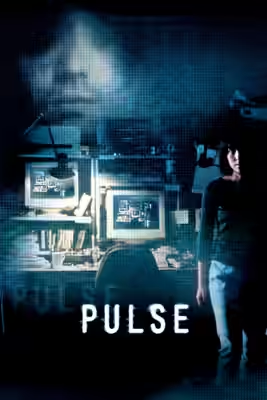
  4. Pulse (2001) · not reviewed yetFor supernatural dread that makes familiar rooms feel increasingly difficult to inhabit.

  5. The Babadook (2014, Fi1m 86)Another domestic nightmare that makes exhaustion an essential part of the fear.

Free account

Know what to watch tonight

Two lists that know where things are streaming, collections you can share, your own score beside ours, and Discover that remembers what you have seen.

  • Want to see, sorted by what is streaming now
  • Seen, with your score out of ten
  • No adverts, ever