Alex Proyas’s Dark City is worth an evening for its invented city and the unease it produces. The mystery holds our attention even when the writing struggles to give its people much depth.
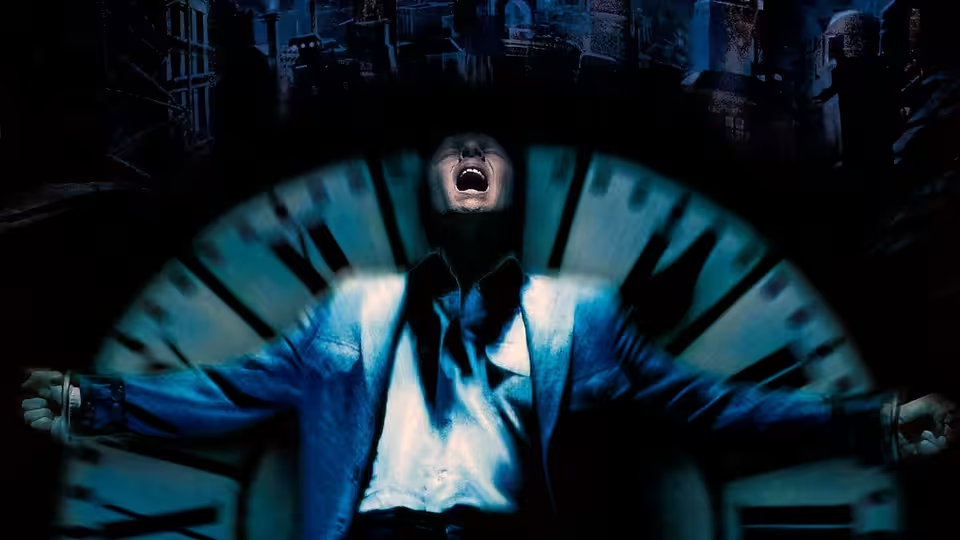
Alex Proyas sets Dark City an awkward task: make a mystery involving while asking what can be known about the people inside it. The premise supplies a city built to study human behaviour, so the place itself deserves as much suspicion as anyone walking through it. We recommend it for that uneasy curiosity and for the force of its images. The writing is much less convincing when it needs to give the people being studied lives we can care about.
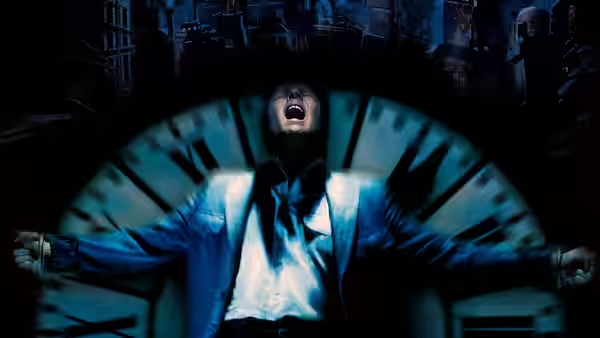
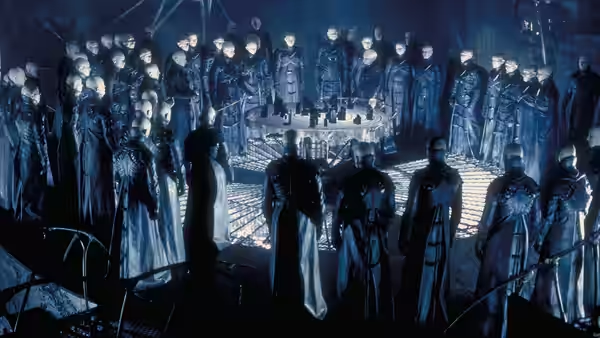
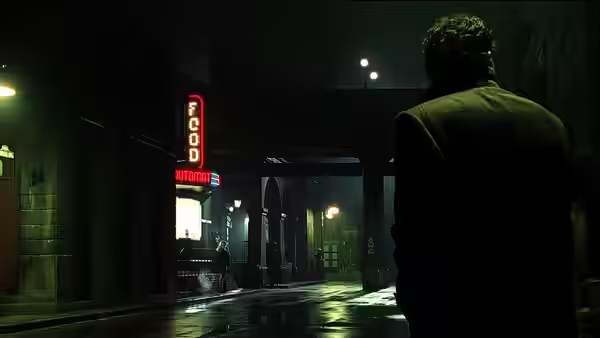
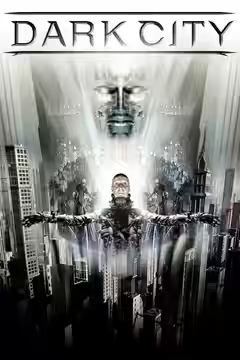
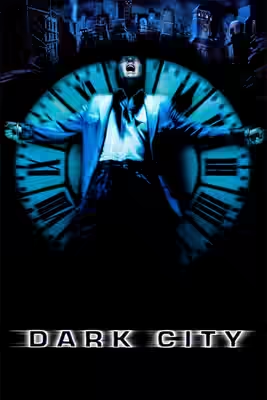
Production designers Patrick Tatopoulos and George Liddle give the film its strongest reason to keep watching. Their city has the oppressive artificiality the premise needs, and Dariusz Wolski’s cinematography makes us want to examine its construction closely. We were unsettled by the city itself, because a place built to examine human beings makes every view of it feel intrusive. The design keeps our attention on the surroundings even when we ought to be concentrating on the people.
Rufus Sewell’s John Murdoch has a harder job holding our attention. Sewell gives us enough to stay with him, but the character seldom seems as particular as the place around him. William Hurt, as Inspector Frank Bumstead, offers a steadier presence, and Jennifer Connelly’s Emma Murdoch suggests feelings the script does not explore with comparable care. We kept wanting another stretch with these people without the burden of making them serve the mystery.
The screenplay by Proyas, Lem Dobbs and David S. Goyer gives that mystery enough interest to survive some doubtful connections. We do not need every strange thing explained, particularly in a film built on uncertainty, but the story sometimes makes confusion feel like work left for us. Its questions about what makes a person are worth considering. They would carry more weight if the characters had more life beyond their part in the puzzle.
Dov Hoenig’s editing helps sustain our interest, although momentum cannot solve the problems in the script. Curiosity about the city pulls us through the weaker passages, and the 101-minute running time keeps the demand on our patience reasonable. Trevor Jones’s score has a difficult place in such an emphatic film. It supports the unease, but the production design leaves a much stronger impression, and we would have welcomed more occasions when the images were allowed to do the work alone.
The noir elements matter because investigation gives all that visual invention a practical use. We want to examine this place, and a mystery offers a reason to keep doing so. Proyas sometimes pushes the atmosphere so hard that the effort becomes distracting. That limits the suspense, though it never quite exhausts our interest in the city or the uncomfortable purpose for which it was built.
There is enough invention here to justify the frustrations. We would have preferred people with more depth, and a mystery that did not occasionally need its images to rescue it. Choose it for an evening when an unfamiliar science-fiction setting matters more than having every question settled.