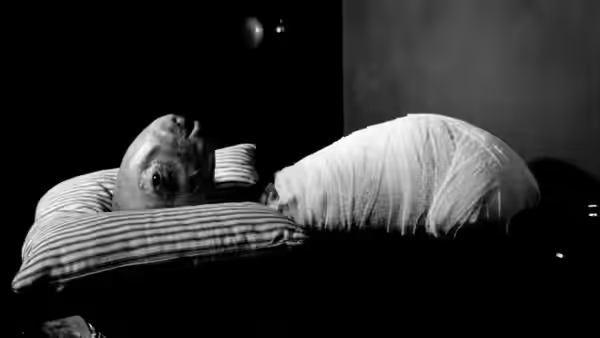
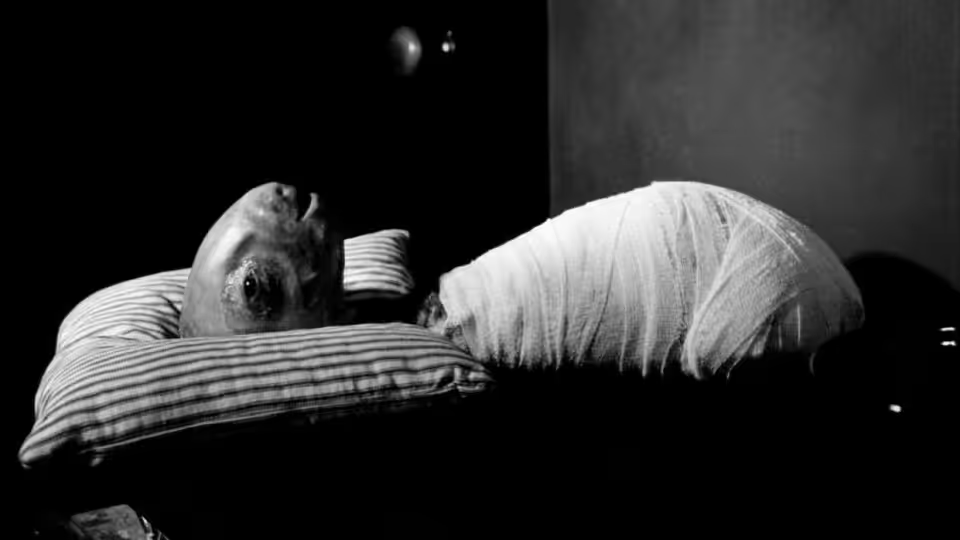
an infant with oversized head wrapped in cloth on striped pillow
Film review

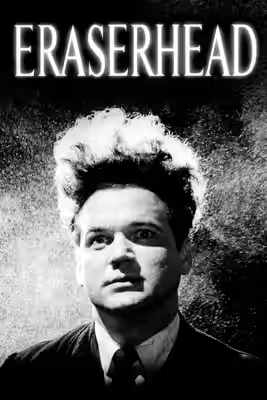
Eraserhead

1977 · Directed by David Lynch · 1h 29m · MPA NR

In a sentenceNobody in Eraserhead seems ready for a baby, least of all us

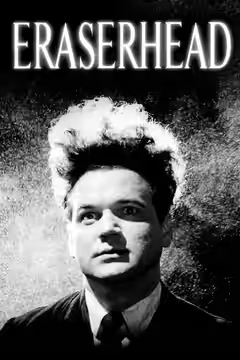
Henry Spencer (Jack Nance) faces fatherhood amid industrial noise and isolation. Mary X (Charlotte Stewart), Mr. X (Allen Joseph) and Mrs. X (Jeanne Bates) form the human company around him, while a monstrous baby gives his anxieties a physical presence. Henry seeks relief from a daily life that takes on the logic of a nightmare. Domestic encounters become sources of embarrassment and fear, and the prospect of caring for another life offers no reassurance. In this black-and-white world, ordinary obligations coexist with bodily strangeness, and parenthood brings Henry closer to the things he would rather avoid.

Plays from YouTube when you press play; nothing loads from them until then.

Fi1m review

David Lynch makes parenthood frightening and darkly funny in Eraserhead, with Jack Nance providing a vulnerable human centre. The industrial sound and bodily horror are hard to shake, though the sustained bleakness can become tiring.

David Lynch’s Eraserhead makes becoming a parent feel terrifying, and it is frightening, darkly funny horror worth enduring if bodily disgust does not send you away. Henry Spencer, played by Jack Nance, is the vulnerable centre of a film that treats ordinary responsibility as something almost impossible to bear. The director gives that fear a monstrous baby and an industrial world with scarcely any comfort in it. The horror is immediate enough without our having to decide what every strange image represents.

Jack Nance is crucial because Henry’s distress remains legible even when the events around him are not. He gives us someone to worry about, which stops the film becoming a collection of unpleasant things to look at. We were horrified by the baby, then ashamed of recoiling from something helpless. That discomfort is central to the film’s account of parenthood: the demand to care persists even when affection is difficult.

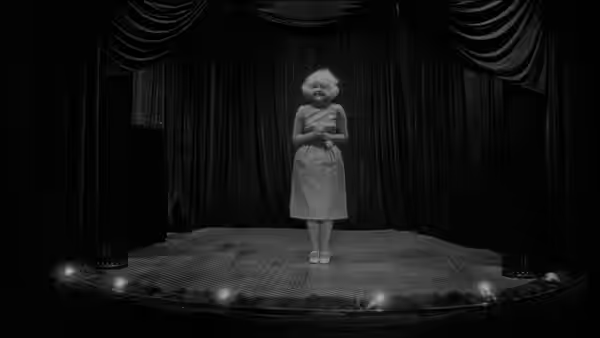
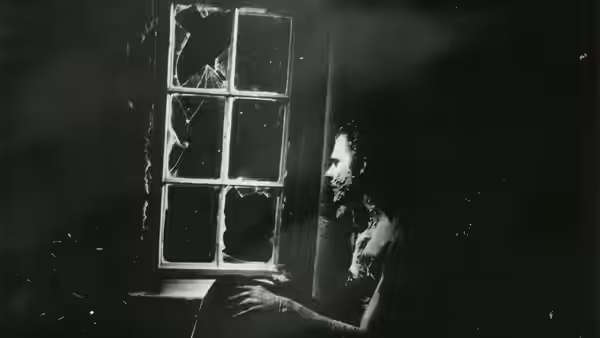
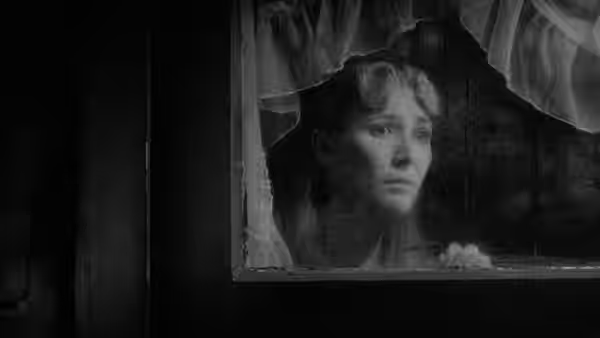
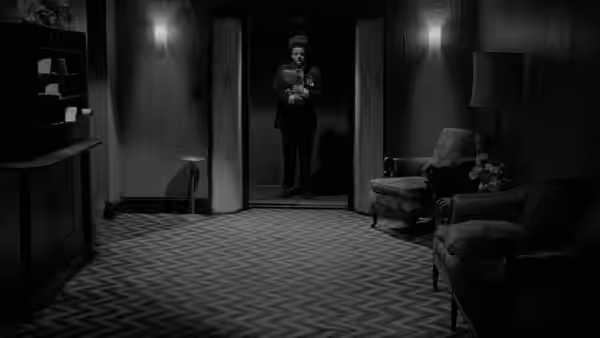
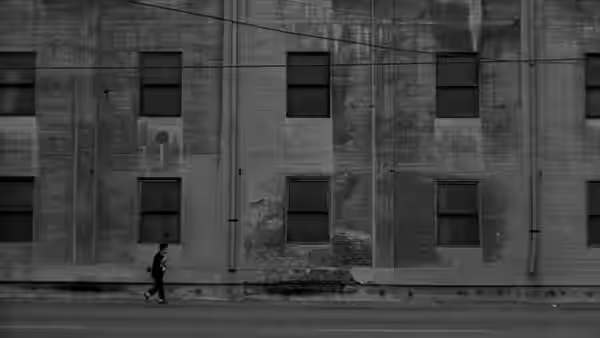
Frederick Elmes and Herbert Cardwell’s black-and-white cinematography makes the cramped world difficult to escape even with our eyes. The frames feel closed in, and the strange bodily forms are given enough visual force to disturb without an explanation. David Lynch’s production design makes the industrial surroundings feel unsuitable for human comfort, which is precisely why the domestic anxiety takes hold. Rest already seems unlikely in a place like this, before anyone has a baby to look after.

Peter Ivers and David Lynch provide the music, but it is the industrial sound that keeps us braced for something dreadful. It denies the easy relief that a quiet stretch would normally bring to a horror film. We felt worn down by the sustained noise, in a way that seemed inseparable from Henry’s isolation. The sound earns its prominence because it makes his predicament feel exhausting even when we cannot explain what is happening.

David Lynch’s editing is patient enough to let an image become uncomfortable, and sometimes patient enough for the discomfort to become familiar. At 89 minutes, the film is short, but that does not mean it always moves briskly. There are stretches where the same degree of unease persists without much change, and another troubling image does little to increase it. The macabre humour helps because it allows human absurdity into a film that can otherwise seem determined to make everything unbearable.

As body horror, Eraserhead is unusually interested in the person expected to live with the disturbing body. Its concern with parental fear gives the disgust an emotional purpose, without requiring us to reduce the baby to a tidy symbol. There is room to recognise exhaustion, guilt and the wish to be left alone without approving of every impulse Henry embodies. The humour matters here too, since fear and embarrassment can occupy the same ordinary encounter.

We would not choose it simply because it is short, or because a horror label promises familiar pleasures. Its bodily imagery asks for a stronger stomach than its running time suggests. Save it for an evening when sustained unease sounds like a reasonable use of 89 minutes.

Critical consensus AI synthesised

81
Positive
13
Mixed
0
Negative
1

Most critics respond strongly to Eraserhead, with praise clustering around its industrial sound design, alien imagery and oppressive atmosphere. The reviews repeatedly connect its sensory force to fears of parenthood and isolation, finding recognisable anxieties beneath the surreal horror. Several also stress the macabre humour: Lynch’s nightmare unsettles through the proximity of ordinary life to bodily disgust, while its meticulous construction gives the dreamlike scenes a disturbing coherence.

The disagreement concerns how much that experience offers beyond discomfort, though the split is lopsided: thirteen reviews are positive and one is negative. More measured supporters describe a difficult but rewarding film, while others embrace its resistance to conventional storytelling. Variety is the stark dissenter, finding bad taste and little substance or subtlety, even while acknowledging inventive sound mixing. The score range is therefore wide, but rejection is the exception rather than a substantial strand of the consensus.

Time Out
9 September 2008 · ★★★★★ · Tom Huddleston
100

The critic calls it the greatest student film ever made and praises its re-release in a new print remastered by Lynch. They single out the immersive clarity of Lynch’s singular vision and the total absence of compromise in its harrowing, soul-plunging world of horror and isolation.

Read the full review →
Little White Lies
3 February 2017 · Joel Blackledge
90*

The critic hails the lo-fi masterpiece as still unmatched in audacity and atmospheric disquiet 40 years on. They single out its meticulous construction, oppressive sound design and the way it posits that the scariest thing of all is everyday life itself.

Read the full review →
RogerEbert.com
16 September 2014
90*

The critic finds the film mesmerizing and unique in its surreal, dreamlike imagery and sound design, exceeding expectations as Lynch's purest work of art that redefines what cinema can achieve.

Read the full review →
Slant Magazine
16 September 2014 · Chuck Bowen
90*

The critic calls Eraserhead an extraordinarily raw film that completely fulfills Lynch's obsessions with innocence corrupted and the need for fleeting refuge. They single out the rapturously beautiful yet alien images and the profound, unrelentingly bleak industrial sound design.

Read the full review →
The Guardian
22 March 2017 · Peter Bradshaw
90*

The critic calls Eraserhead a demarcator in cinema history that never loses its disturbing power as a psychic trauma and dream of dark and troubling things. He singles out its indelible portrayal of the horror of fatherhood and the monstrous baby for particular note.

Read the full review →
The New York Times
7 December 2007 · Manohla Dargis
90*

The review describes the film as an amazing, still mysterious surrealistic work that disturbs, seduces and shocks with its convulsive beauty and macabre comedy while exploring distorted human desires.

Read the full review →

Straight answers AI written, from our review

Is Eraserhead worth watching?
Eraserhead is worth watching for anyone who can stomach 89 minutes of bodily horror and industrial noise, and we scored it 84. David Lynch makes fatherhood frightening and darkly funny, with Jack Nance giving the film a vulnerable human centre. The sustained bleakness can wear you down, so save it for an evening when unease sounds like a reasonable plan.
How long is Eraserhead, and what is it rated?
Eraserhead runs 1h 29m and is rated NR by the MPA in the US. It is a horror and science fiction film.
Where can I watch Eraserhead in the US?
Eraserhead is streaming on HBO Max, Tubi, Amazon Prime Video, The Roku Channel and Hulu in the US, and it is also available to rent from Amazon Prime Video from $2.99. It leaves Tubi on 6 October. Availability is checked daily; the links above go straight to each service.
How violent or frightening is Eraserhead, and is it suitable for children?
Eraserhead carries a UK 18 certificate and is not suitable for children. The fear comes less from violence than from bodily disgust, a monstrous baby and relentless industrial sound that never lets up. Anyone squeamish about strange, helpless, malformed bodies should stay away; the dread is constant rather than sudden.
How does Eraserhead compare to Tetsuo: The Iron Man?
Eraserhead is the more patient and more human of the two, using its bodily horror to explore a father's fear, while Tetsuo: The Iron Man is faster, louder and more physically revolting. Both share industrial noise and mutating flesh, but Tsukamoto's characters are thin where Lynch gives us Jack Nance to worry about. We recommend Lynch's film first; Tetsuo suits those who want the same discomfort with fewer pauses.
What should I watch after Eraserhead?
After Eraserhead, try Repulsion (1965, Fi1m 88): A flat becomes unbearable company in another study of frightened isolation. Then Tetsuo: The Iron Man (1989, Fi1m 82): Industrial noise and bodily mutation, delivered with rather less patience.

Cast

If you liked this, try…

  1. Repulsion (1965, Fi1m 88)A flat becomes unbearable company in another study of frightened isolation.

  2. The Brood (1979) · not reviewed yetParental distress takes bodily form, with little comfort for anyone involved.

  3. Tetsuo: The Iron Man (1989, Fi1m 82)Industrial noise and bodily mutation, delivered with rather less patience.

  4. Possession (1981) · not reviewed yetDomestic collapse becomes physical horror, with performances pitched at exhausting intensity.

  5. The Wolf House (2018) · not reviewed yetAn animated home keeps changing around people who cannot feel safe.

Free account

Know what to watch tonight

Two lists that know where things are streaming, collections you can share, your own score beside ours, and Discover that remembers what you have seen.

  • Want to see, sorted by what is streaming now
  • Seen, with your score out of ten
  • No adverts, ever