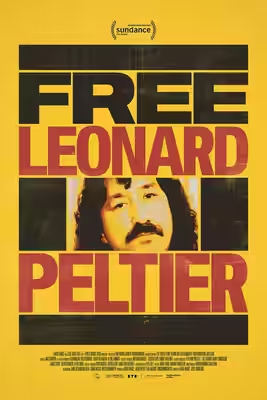
A fifty-year injustice and the people trying to end it before the clock runs out. The campaign footage is alive and Peltier’s own voice is quietly devastating; the history around them is a lecture that never makes its strongest case.
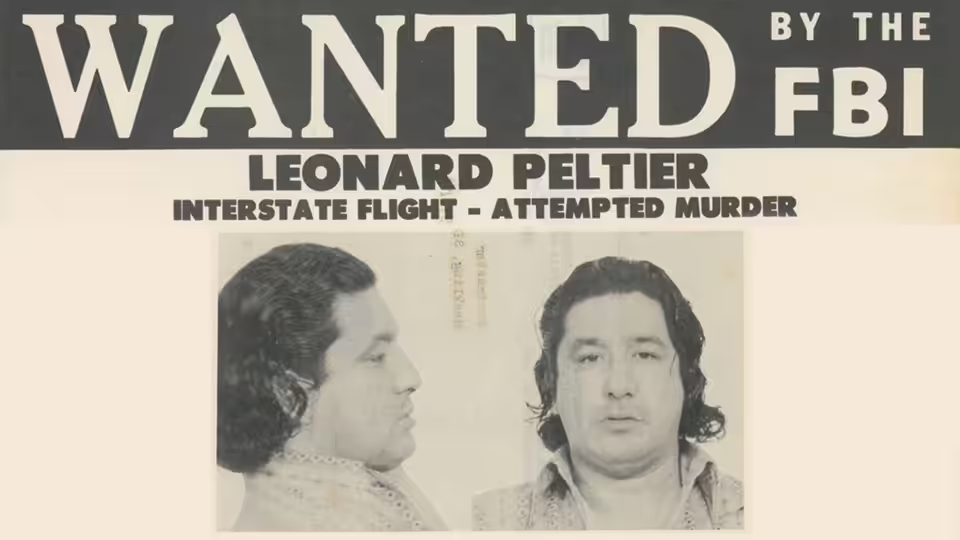
Leonard Peltier went to prison in 1977 for the killing of two FBI agents on the Pine Ridge Reservation in South Dakota two years earlier, and he has said from the first day that he did not do it. David France, who made How to Survive a Plague, and Jesse Short Bull, who co-directed Lakota Nation vs. United States, have made a film about the final push to get him out. It is two films, really: a history of the case and a record of the campaign. The campaign film is good. The history film is a lecture, and it takes up most of the 110 minutes.
Start with what works. The campaign is run by Native activists who were not born when Peltier went in, and Kyle Bell’s camera stays with them in the last weeks of the Biden presidency: in cars, in corridors, in rooms where the answer is always that someone will get back to them. These people are tired and funny and plainly frightened of running out of time, and the film is at its most alive when it simply lets them get on with it. We were moved by them, more than we expected, because nobody on screen makes a speech about hope; they make phone calls.
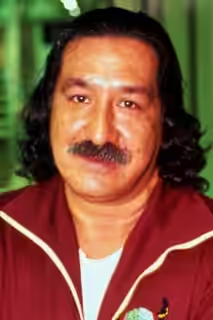
Peltier himself is the other asset. He is heard from inside, an old man now, and he talks about half a century in federal custody without self-pity and without much anger either, which is somehow worse. When he is speaking the film has a centre. When he stops, it goes back to the archive.
And the archive is the problem. France and Short Bull have gathered a great deal: footage from the reservation in the 1970s, news reports, trial material, people who were there. What they have not done is arrange it so that a newcomer comes out knowing what the single strongest reason to doubt the conviction is. Grievances arrive one after another, each introduced with the same solemnity, and the film treats a procedural complaint and a matter of life and death as if they weighed the same. By the hour mark we were bored, and then we were cross about being bored by a story in which a man has lost fifty years.
Hannah Vanderlan and Adam Evans cut between the two films, and every time the present starts to build, the past interrupts it. The rhythm is that of a worthy television special, a chapter of history, a chapter of now, repeat, and it means neither strand reaches the pace it needs. The campaign in particular is a race against a date on the calendar, and the editing keeps pausing to check the map.
There is also a question the film does not ask. We will not describe how it ends, but a film called Free Leonard Peltier ought to have something to say about what freedom would mean for a man who has spent fifty years inside, and whether getting him through the gate is the same as clearing his name. It does not ask. It campaigns, and it stops.
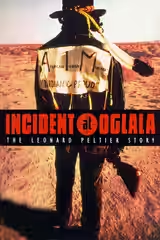
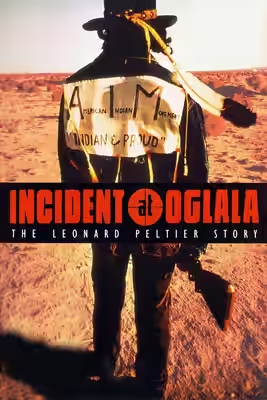
Michael Apted’s Incident at Oglala told this story in 1992 and told it more clearly, which is an awkward thing to say about a film made with thirty more years of evidence to hand. What this one adds is the final push and the young people running it, and for them it is worth an evening. For the case itself you will need to do some reading afterwards, which is not what a documentary is for.