Critics’ reviews

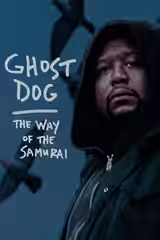
Ghost Dog: The Way of the Samurai (1999)

10 reviews from 10 publications. Critics’ score 67: 6 positive, 3 mixed, 1 negative.

Back to our review of Ghost Dog: The Way of the Samurai

67
Positive
6
Mixed
3
Negative
1

Most critics respond warmly to Jarmusch’s offbeat hitman film, praising its dry humour and unusual combination of Mafia culture, samurai codes and hip-hop. Forest Whitaker is the clearest point of agreement: the reviews repeatedly single out his stillness, gravity and presence as reasons to care about an otherwise absurd character. The music also draws praise, while the more enthusiastic accounts find wit and affection in the film’s treatment of honour and professionalism.

The reservations concern how much these eccentricities add up to, with responses ranging from warm appreciation to outright disappointment. Several critics find the storytelling thin or uneven, and Sight and Sound argues that the cultural themes receive lazy treatment through stereotypes. Variety is the strongest dissenter, finding charm in individual scenes but little dramatic depth in the whole; the broader divide is over whether the playful mixture offers insight or merely sustains an amusing conceit.

The Guardian
28 April 2000 · Peter Bradshaw
80*

Jarmusch's serio-comedy is an enjoyable and distinctive take on cinema gangland that mixes martial codes with mafia culture in a whimsical, sui generis way. The critic singles out the playful yet serious tone and the guarded respect it establishes between different cultural codes of honour.

Read the full review →
Time Out
10 September 2012 · GA
80*

Jarmusch's offbeat hitman variation grafts moods, motifs and gags onto the story of a samurai-code assassin, creating a funny, insightful and highly original tribute to honour and professionalism that proves his wit and invention intact. Praises the camerawork, score and bird footage.

Read the full review →
Empire
1 January 2000 · Kim Newman
75*

The critic finds wry amusement in Jarmusch's absurd take on the hitman genre, which piles oddity on a conventional plot in an empty parallel universe. Whitaker's expressive stillness in the pauses is singled out as the real draw amid the stifled hilarity and quirky supporting turns.

Read the full review →
IndieWire
3 March 2000
75*

The film successfully blends mafia, samurai, and hip-hop elements into an engaging whole. The critic highlights the inventive cultural mash-up as a key strength.

Read the full review →
RogerEbert.com
17 March 2000 · Roger Ebert
75*

The critic argues that understanding the protagonist as quietly insane deepens appreciation of the film. He praises Forest Whitaker's poignant performance and Jarmusch's risky stylistic mix.

Read the full review →
Evening Standard
10 April 2012
60*

The film is likened to a Looney Tunes cartoon made flesh, with the hitman-as-philosopher conceit delivering clever moments and cool killings but ultimately reducing to absurdity without much illumination. Whitaker's gravity and the hip-hop soundtrack provide some weight and whimsy amid the minimalist Tarantino vibe.

Read the full review →
Sight and Sound
· Xan Brooks
60*

Jarmusch remakes a hitman thriller in his own eccentric image as a hip-hop Mafia samurai story, blending warmth and cool distance with funny, affectionate performances from Forest Whitaker and Henry Silva. The critic finds it lazy in exploring cultural themes, relying on stereotypes without illumination.

Read the full review →
The New York Times
3 March 2000 · A. O. Scott
60*

Jarmusch deconstructs the samurai epic and gangster film in a postmodern style aided by RZA's music. The result is fascinating but uneven, with ritualistic violence but little suspense or action.

Read the full review →
Variety
20 May 1999 · festival review · Todd McCarthy
35*

Jarmusch offers a wispy, absurdist take on the hit-man genre that feels thin and lacking in dramatic depth or meaningful confrontation. Individual scenes have charm thanks to Whitaker and whimsy, but the overall conception is slight.

Read the full review →
Eye for Film
19 January 2001 · Angus Wolfe Murray
75*

The film belongs to Forest Whitaker, whose forceful presence makes the absurdity of his character easy to overlook. It satirises Mafia movies while raising the spirit of Kurosawa, delivering violent fun under the cover of samurai code.

Read the full review →

Ordered by the weight we give each publication, then by score. Scores are normalised to 100; * means inferred from an unrated review. Summaries are ours, not quotations; follow the links for the reviews themselves. How we rate