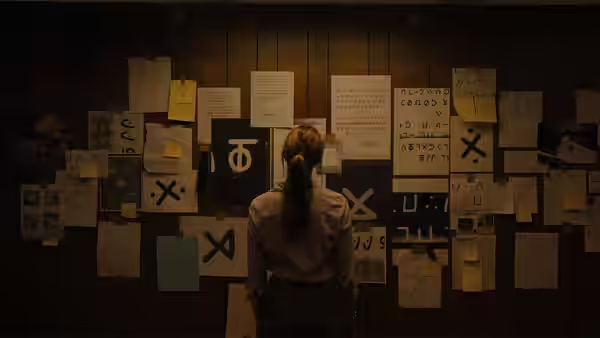
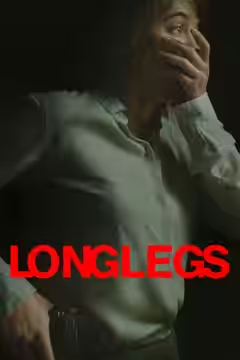
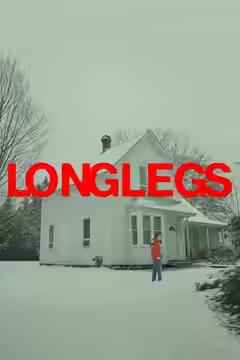
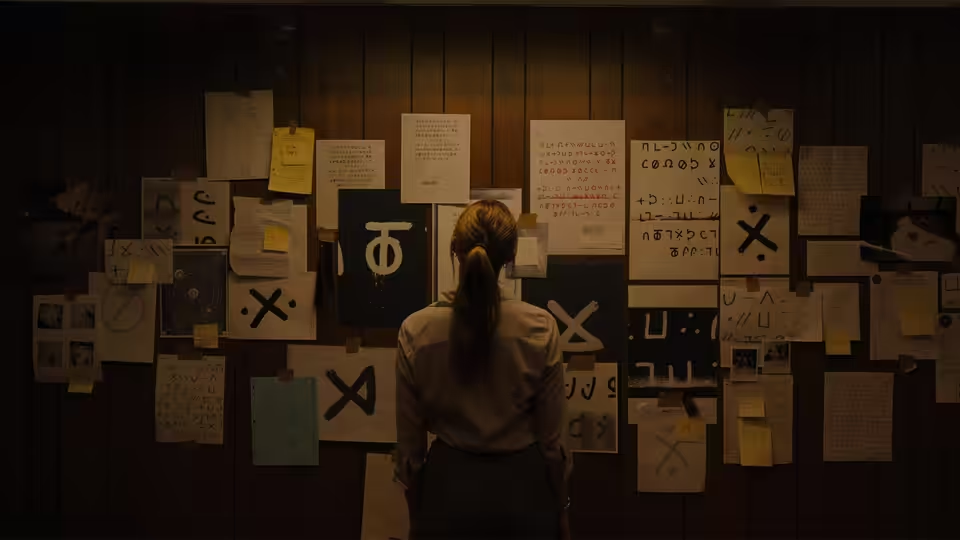
A woman stands facing a wall covered in papers and symbols
Film review

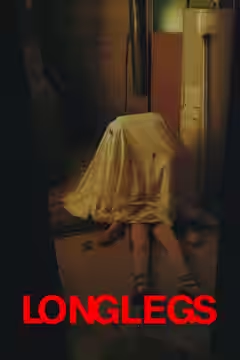
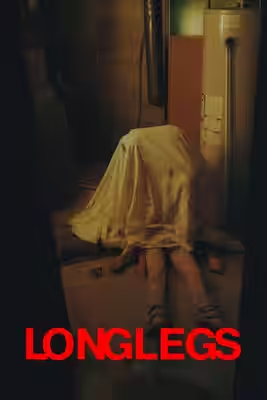
Longlegs

2024 · Directed by Oz Perkins · 1h 41m · MPA R

In a sentenceThe first hour made us afraid of our own ceiling; the last half hour handed us a leaflet

In a snowbound winter in the 1970s, a young girl steps outside her family’s farmhouse to meet a stranger. Two decades on, Lee Harker (Maika Monroe) is a new FBI agent with a knack for knowing things she has not been told. Her superior, Agent Carter (Blair Underwood), puts her on a case that has sat open for years: families dead in their own homes, the fathers apparently responsible, no sign of anyone else, and at each house a coded letter signed Longlegs. Harker works the cipher, visits her devout and nervous mother Ruth (Alicia Witt), and begins to suspect the case has something to do with her. Nicolas Cage plays the man who writes the letters. Osgood Perkins writes and directs.

Plays from YouTube when you press play; nothing loads from them until then.

Fi1m review

Osgood Perkins’ FBI horror is as frightening as its reputation for most of its length, thanks to Andres Arochi’s boxed-in frames and a Nicolas Cage kept wisely scarce. Then it stops to explain itself, and the fear goes out of it.

Osgood Perkins has made a serial killer film in the shape of the early 1990s ones, with a young FBI agent, a cipher, a snowbound town and a boss who does not believe her, and filled the shape with something older and stranger. For about an hour it is the most frightening thing we have sat through in some while. Then it stops and explains what has been going on, and the fear goes out of it and does not come back. See it, and expect the last half hour to be weaker than the first.

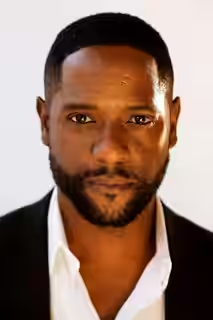
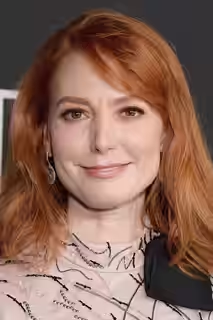
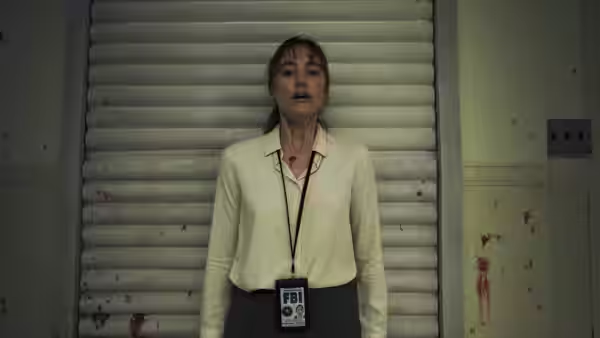
Lee Harker (Maika Monroe) is new to the Bureau and knows which door to knock on before anyone has told her. Agent Carter (Blair Underwood) hands her a case decades old: families dead in their own homes, the fathers seemingly responsible, and at each house a coded letter signed Longlegs. Monroe plays Harker with her arms held in and her voice barely above a murmur, a woman who has learned to take up as little space as possible. Underwood gives Carter more warmth than the role needs, and it helps. Alicia Witt, as Harker’s mother Ruth, lives among crucifixes and speaks as if the phone might be tapped.

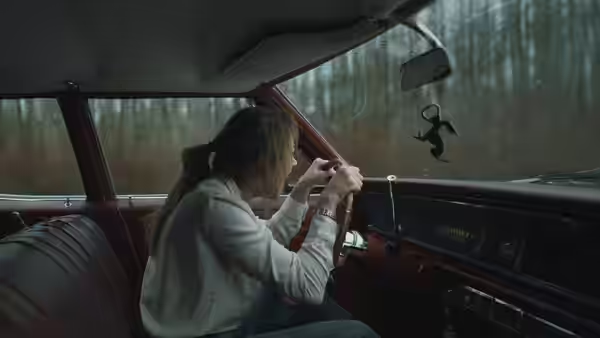
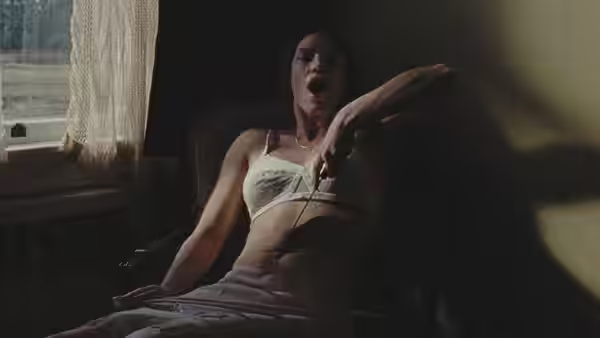
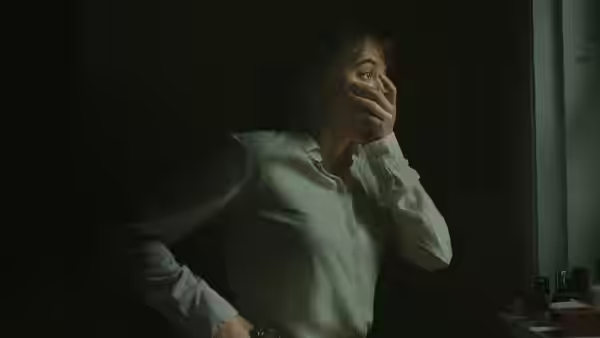
Andres Arochi shoots the 1970s prologue in a narrowed, boxed-in frame, and when Longlegs first appears the top of the picture cuts him off at the mouth, so we get a chin, a smile and a voice. It is a cheap trick and it worked on us completely; we spent the next forty minutes with our shoulders up around our ears. Later, Arochi leaves Harker small and dead centre with a great deal of empty ceiling above her, and the dread comes from that space. Danny Vermette’s production design keeps every interior beige and under-lit, and Mica Kayde dresses Harker in a suit a size too large.

Graham Fortin and Greg Ng cut late. Shots are held past the point of comfort, then the film jumps to black with a line of the killer’s letter in white, and that rhythm, slow, slow, then the snap, is where most of the fright is. The music, by Perkins and Elvis Perkins, is a low churn that hardly ever settles into a tune. The one time it does is when Cage sings, and we would rather he had not, which is presumably the point.

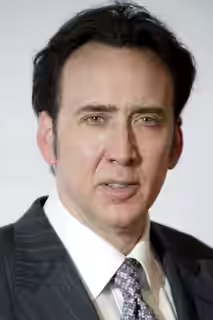
Nicolas Cage is on screen far less than the marketing suggests, which is the film’s best decision. His face has been powdered white and padded out until it looks like a doll left too long by a radiator. He speaks in a high sing-song and lurches into a shriek, and we found him properly horrible for a scene and a half. After that he is a man in make-up doing a voice, and the film knows it, so it keeps him in short doses. Kiernan Shipka has one scene and does more with a fixed stare than Cage does with all his hardware.

The trouble is the ending, and most critics, warm as they are, cool at about the point we did. Perkins the director trusts a frame with too much ceiling in it to frighten us. Perkins the writer does not trust us to be frightened by what we do not understand, and in the last half hour a character lays out how everything has worked, as if reading the instructions off the back of the box.

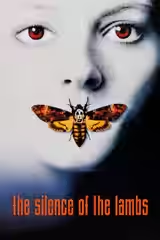
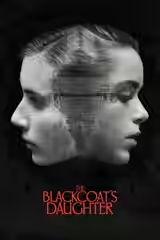
Perkins’ earlier films, The Blackcoat’s Daughter and I Am the Pretty Thing That Lives in the House, had the same patience and the same problem. The comparison everyone reaches for is The Silence of the Lambs, and it holds for the first act. After that the film is nearer to a folk tale, and it would have been braver to leave it one.

See it in a cinema where possible, or at home with the lights off; the fear is in the sound and the empty space, and both shrink on a laptop. It is 101 minutes, which is right. The 15 certificate is honest: there is little blood on screen, and most of the damage is done by what we do not see.

Critical consensus AI synthesised

76
Positive
15
Mixed
0
Negative
1

Most critics are frightened, and grateful for it. The praise clusters on Nicolas Cage, whose transformed, barely recognisable turn as the killer is called unforgettable almost everywhere, and on Maika Monroe’s anxious, buttoned-down lead, which several reviews treat as the film’s anchor. Osgood Perkins’s direction draws near-uniform admiration for building dread out of ordinary rooms and off-balance framing rather than jump-scares.

The reservations are consistent too: Sight and Sound, Vulture and The Guardian all find the closing exposition weaker than what precedes it, and The Independent and Polygon feel the film is less terrifying than its marketing promised, though still worth the evening. A few note plot contrivances. The spread is narrow, with fifteen of sixteen reviews positive, and the one outright dissent is the Evening Standard, which calls the film generic and finds Cage’s performance a disappointment, wailing rather than menacing. Nobody else agrees.

Time Out
8 July 2024 · ★★★★★ · Phil de Semlyen
100

The critic calls it a work of chilling brilliance and the full-body, mind-violating horror experience of the year. They single out Nicolas Cage's unsettling performance and the film's artful handling of influences for particular praise.

Read the full review →
Screen Daily
8 July 2024
85*

The critic highlights the palpable evil and unvarnished bleakness that envelops the viewer in this sinister feature. They single out Maika Monroe's haunted performance and the film's tonal control and airtight explanations for praise.

Read the full review →
The i Paper
12 July 2024 · Christina Newland
85*

Longlegs is terrifying and worth all the hype, making everything feel sinister and lingering under the skin. The film is singled out for luxuriating in atmosphere and dread rather than relying on jump-scares, turning the banal into something skin-pricklingly dangerous.

Read the full review →
Empire
10 July 2024 · Sophie Butcher
80*

Longlegs is a singular, sensory cinematic horror experience that delivers an effective, heart-pounding opening and leaves viewers suitably shook. The remarkable transformation of Nicolas Cage and Maika Monroe’s star quality are singled out alongside the film’s atmospheric blend of influences.

Read the full review →
Sight and Sound
9 July 2024
80*

The critic praises the film's leaner, off-kilter energy and strong central performances from Maika Monroe and Nicolas Cage. They single out the enigmatic occult mechanism and Cage's grotesque portrayal for praise while noting a weakness in the closing exposition.

Read the full review →
Total Film
4 July 2024 · Neil Smith
75*

A little Nicolas Cage goes a long way in this deeply disconcerting experience. The film is singled out for its unsettling atmosphere and Cage’s memorable contribution to the horror.

Read the full review →

Straight answers AI written, from our review

Is Longlegs worth watching?
Longlegs is worth watching for anyone who wants to be frightened by empty space and held silences, and we scored it 72. The first hour is the most frightening thing we have sat through in some while; the last half hour stops to explain itself, and the fear does not come back.
How long is Longlegs, and what is it rated?
Longlegs runs 1h 41m and is rated R by the MPA in the US. It is a crime and horror film.
Where can I watch Longlegs in the US?
Longlegs is streaming on Hulu and Disney+ in the US, and it is also available to rent from Amazon Prime Video from $3.99. Availability is checked daily; the links above go straight to each service.
How violent or frightening is Longlegs, and is it suitable for children?
Longlegs is a 15 certificate, and it is frightening rather than bloody: there is little gore on screen, and most of the damage is done by what we do not see. It is not for children, and the squeamish should know the dread comes from sound, held shots and Nicolas Cage's powdered, shrieking killer rather than from violence.
How does Longlegs compare to The Silence of the Lambs?
Longlegs borrows the shape of The Silence of the Lambs, a young FBI agent, a cipher and a monster kept scarce, and for its first act the comparison holds. The Demme film is the better and steadier of the two, because it stays close to Clarice Starling throughout and its monster earns every minute; Perkins' film drifts into a folk tale and then explains itself.
What should I watch after Longlegs?
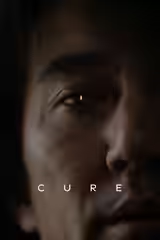
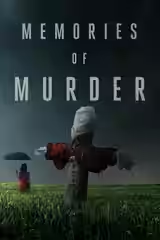
After Longlegs, try The Silence of the Lambs (1991, Fi1m 91): The template this borrows from, with a monster who earns every minute of screen time. Then Cure (1997, Fi1m 85): Kurosawa’s Tokyo detective story, where evil spreads like a rumour and nobody explains it; and Memories of Murder (2003, Fi1m 91): Bong Joon-ho’s rain-soaked provincial hunt, funnier and sadder than any American equivalent.

Cast

If you liked this, try…

  1. The Silence of the Lambs (1991, Fi1m 91)The template this borrows from, with a monster who earns every minute of screen time.

  2. Cure (1997, Fi1m 85)Kurosawa’s Tokyo detective story, where evil spreads like a rumour and nobody explains it.

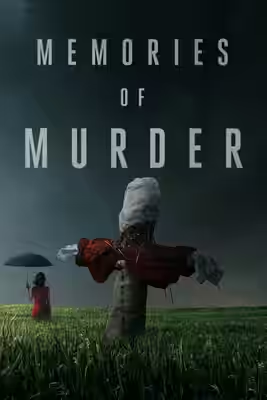
  3. Memories of Murder (2003, Fi1m 91)Bong Joon-ho’s rain-soaked provincial hunt, funnier and sadder than any American equivalent.

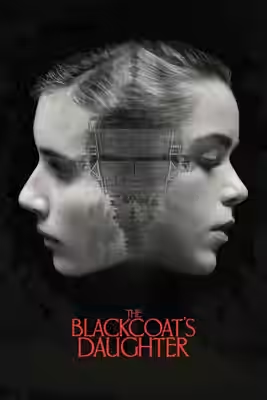
  4. The Blackcoat's Daughter (2015) · not reviewed yetPerkins’ first feature, colder and smaller, and it keeps its mouth shut.

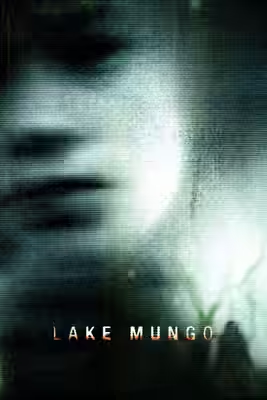
  5. Lake Mungo (2008) · not reviewed yetAn Australian mock documentary about grief that frightens without a single raised voice.

Free account

Know what to watch tonight

Two lists that know where things are streaming, collections you can share, your own score beside ours, and Discover that remembers what you have seen.

  • Want to see, sorted by what is streaming now
  • Seen, with your score out of ten
  • No adverts, ever