Yuval Abraham and Rachel Szor put Israeli intelligence officers on a rooftop at night, hide their faces and let them explain how Gaza was targeted. It is journalism first and cinema second, and we found it as frightening as anything we have watched in years.
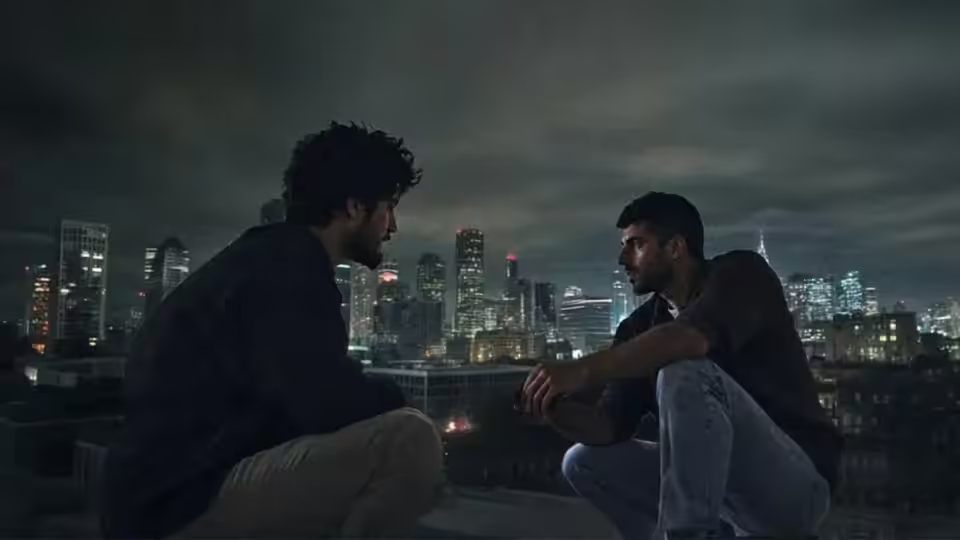
Yuval Abraham and Rachel Szor have made a small, cold and direct film. It is 80 minutes long. Most of it is people talking, on rooftops in Tel Aviv, after dark, with their faces hidden. The people are men who served in Israeli military intelligence during the war in Gaza, and what they talk about is how the killing was organised. It is a piece of journalism that happens to be a film, and it is a better film than that description suggests. We recommend it, with the plain warning that it is hard to sit through.
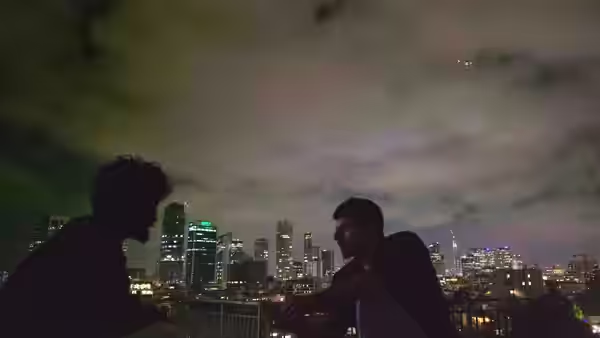
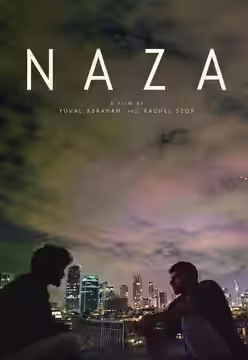
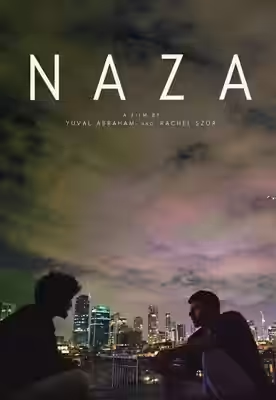
Szor shoots the interviews so that the speakers are in shadow and the city behind them is not. Windows are lit, roads have traffic on them, the skyline looks like any prosperous place on a warm night. The men are safe, in the dark, above all of it, and the place they are describing is a short drive away and has been flattened. Szor and Abraham cut between the two often enough that the contrast stops being a device and becomes the argument: this is where the decisions were taken, and that is where they landed. It is a simple idea and it is the right one.
The substance is the systems. The men explain how surveillance was gathered, how lists of targets were produced by software rather than by people, how a person’s home was chosen as the place to hit him, and how many others in the building were considered a fair price. We were horrified, which we expected. What we did not expect was how quickly horror gave way to something colder, because the men are not boasting and they are not confessing. They are describing a procedure, in the tone you would use to explain a filing system, and the procedure ended in a great many dead children. That flatness is what stayed with us, more than any single image from Gaza.
Abraham is on camera as himself and he is a good interviewer, which is not the same as a warm one. He asks short questions, waits, and does not help. When a man reaches for a justification Abraham lets him finish it and then asks the next thing. As editors, he and Szor keep the pace even; nothing is hurried and nothing is padded, and 80 minutes is exactly as long as this needed to be. There is no score to speak of and the film is better for it.
There are problems, and they are the problems of the method. The anonymity that protects the speakers also stops us reading them. A face in an interview tells you when a man is lying to himself, and we have only voices and silhouettes here, so we take a great deal on trust. The film knows this and does not solve it. There are also stretches, mostly in the middle third, where it plays like an investigation being read aloud rather than a film being made: a fact, a corroboration, another fact. And the rooftop set-up, so strong the first few times, is used until it becomes a template.
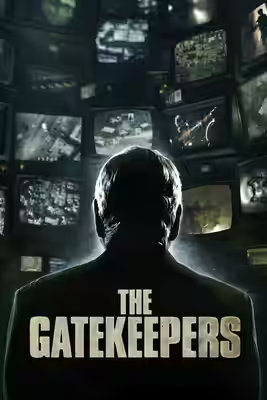
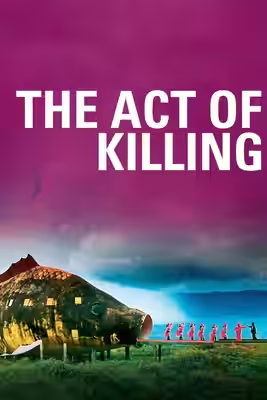
Set against the documentaries it will be compared to, it is a strange hybrid. The Gatekeepers (2012) had retired intelligence chiefs speaking on the record, with their names and their regrets. The Act of Killing (2012) had killers performing their crimes for the camera and enjoying it. NAZA has neither the names nor the performance. Its men are recent, unremarkable and unrepentant in the mildest possible way, and that is a newer and worse thing to watch than either.
Watch it at home, alone, with nothing planned afterwards. It is short and you will not want to talk to anyone for a while.