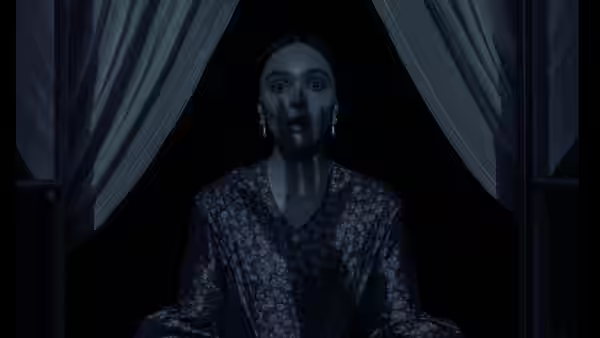
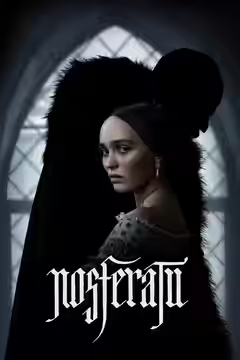
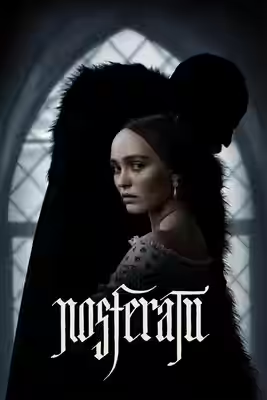
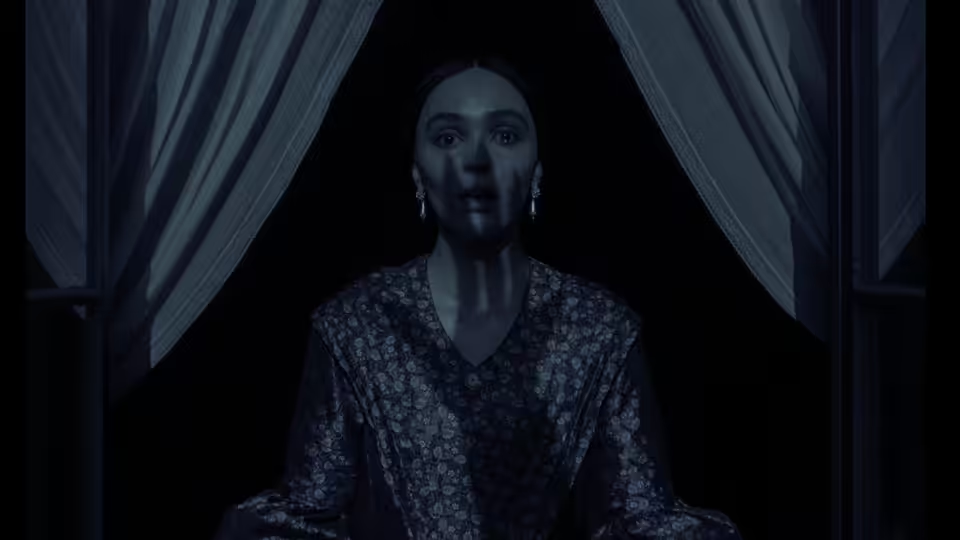
Ellen Hutter (Lily-Rose Depp) standing wide-eyed between dark curtains
Film review

Nosferatu

2024 · Directed by Robert Eggers · 2h 13m · MPA R

In a sentenceOrlok has a moustache and a chest infection and is still only the second most frightening thing in the film

Wisborg, a German port, in the 1830s. Ellen Hutter (Lily-Rose Depp), newly married and prone to fits her husband cannot explain, is left behind when Thomas (Nicholas Hoult) is sent east by his employer, Herr Knock (Simon McBurney), to complete a property sale for a reclusive nobleman, Count Orlok (Bill Skarsgård). Ellen lodges with the Hardings, Friedrich (Aaron Taylor-Johnson) and Anna (Emma Corrin), and her nights get worse. Thomas travels through the Carpathians to a castle where the count keeps odd hours. Willem Dafoe plays Professor von Franz, an occultist, and Ralph Ineson the family doctor, Sievers. English Eggers writes and directs, working from F.W. Murnau’s 1922 film and Bram Stoker’s novel.

Plays from YouTube when you press play; nothing loads from them until then.

Fi1m review

English Eggers rebuilds the 1922 vampire film with candlelight, fog and a young woman who is its real subject. It is beautifully made and frightening in stretches, and solemn to a fault in others. Lily-Rose Depp is the reason to go.

English Eggers has made his Nosferatu: a period vampire film, routed back through F.W. Murnau’s 1922 original to Bram Stoker’s novel, built with the care he brought to The Witch (2015) and The Lighthouse (2019). It runs 133 minutes and carries a 15. It is good. It is not the frightening, strange thing its first hour promises, and it has one performance in it that is better than the film around it.

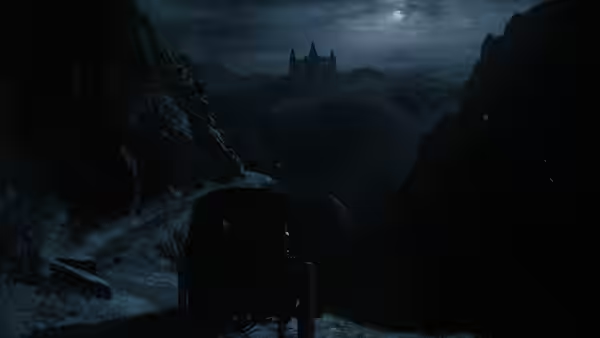
The setup is Murnau’s, with the emphasis moved. Ellen Hutter (Lily-Rose Depp) once called out in the dark for company, and something answered. Years on, her husband Thomas (Nicholas Hoult) is sent east by his employer Knock (Simon McBurney) to close a sale with a count who wants a house in their town. Ellen lodges with the Hardings, Friedrich (Aaron Taylor-Johnson) and Anna (Emma Corrin); Thomas goes up a mountain in a coach with no driver.

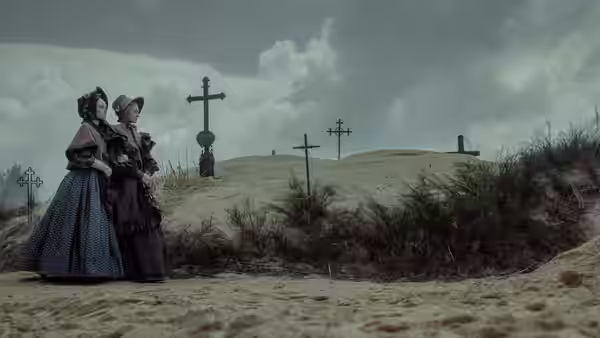
Jarin Blaschke shoots the nights in a blue so drained that whole scenes read as black and white, with the candles the only warm thing in the frame. He lets a shadow cross a whole town before we see what casts it. Craig Lathrop’s Wisborg is wet cobbles and crooked gables; his castle is a black shell whose stones seem to sweat. Linda Muir dresses Ellen in white nightdresses always too thin for the weather. Robin Carolan’s score runs low strings and brass under nearly everything, voices rising whenever the count is near, and Louise Ford cuts the first hour with patience. The journey to the castle is the film’s best stretch, and it is almost silent.

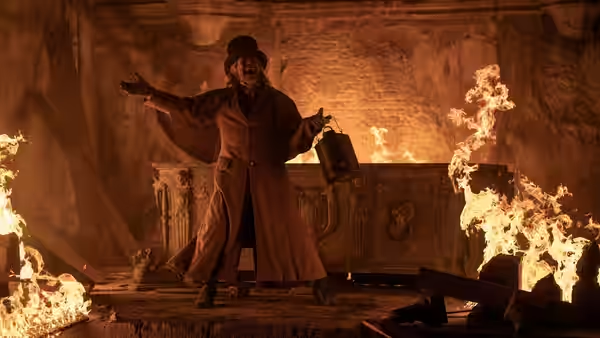
About the count. Eggers drops Murnau’s bald, rat-faced thing for a dead nobleman with a moustache, a fur-collared coat and a voice dredged from the bottom of a well, every word arriving on an exhale. Bill Skarsgård is kept in shadow for a long time, and when we do see him he is rotting. In the castle we found him revolting and properly frightening. Later, when he starts talking about covenants and terms, less so. A monster who explains his contract is a landlord.

Depp is the reason to go. Eggers makes this Ellen’s story rather than Thomas’s, and Depp carries it in her body: the back arching off the bed, the jaw locking, a voice coming out of her that is not hers. The first time she goes rigid in the Harding house we were frightened in the way that makes you glance behind your own sofa, and it was not the count who did it. It was her, and the sound of her spine. She also plays Ellen’s wanting, not only her terror, and the film is honest enough not to pretend the two are separate.

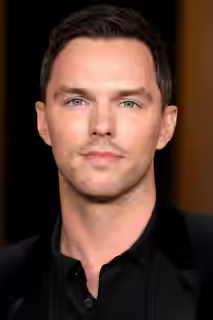
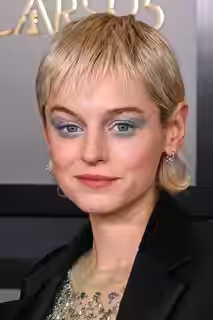
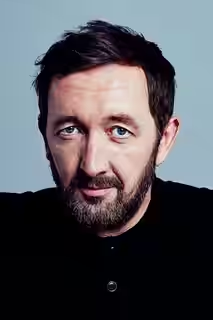
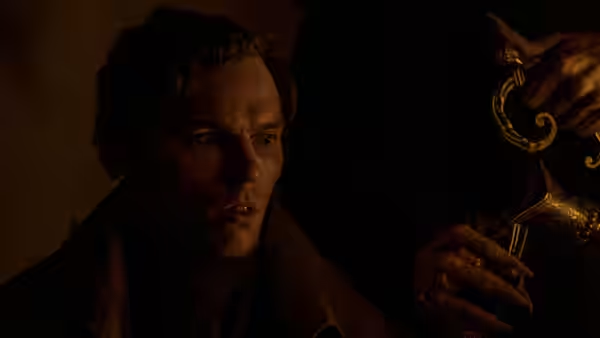
The men are a mixed lot. Hoult plays Thomas as a decent man out of his depth. Willem Dafoe’s von Franz, an occultist, arrives around the halfway point and lets some air in, with a relish some will find too much; we found it a relief. Taylor-Johnson’s Harding is a man of business who believes none of it, and the script is unkind to him for that. Ralph Ineson is solid as the doctor, and McBurney gives Knock a giggling servility that is unpleasant in the right way.

The trouble is solemnity. Nobody in this film speaks quickly, laughs, or says anything that is not a declaration, and the formal period English Eggers has written for them gets heavy by the second hour. Back in Wisborg, the film settles into a story most of the audience knows beat for beat. Somewhere in that stretch we noticed we were checking how much was left. Eggers has given Murnau’s story a great deal more explanation, and the story did not need it.

Against his own films this is the largest, and the one that surprised us least. The Witch had one family and one goat; The Lighthouse had two men and a gull. Watch this one in the dark with the sound up. The count’s breathing sits under most scenes, and with the lights on and the volume low it becomes a handsome costume drama with a sick man in it.

Critical consensus AI synthesised

72
Positive
18
Mixed
2
Negative
5

Most critics like it, though few without complaint, and the spread is wide. The praise clusters on the look of the thing: the production design, the candlelit compositions and a dread that most agree Eggers keeps up for the full running time. Bill Skarsgård’s Orlok and Lily-Rose Depp’s Ellen are named again and again, Depp above all by IndieWire and /Film, who treat her as the film’s centre.

The reservations cluster on pace and purpose: several reviews find the opening slow and the tone humourless, and a handful ask why another faithful adaptation is needed. The dissent is loud and comes from large papers. Variety and the Los Angeles Times call it drained of life, The Times judges the performances a career low, Sight and Sound thinks this Orlok less menacing than the 1922 original, and The New Yorker objects to the sexual politics of its climax. Even the doubters concede the craft; the argument is over whether anything lives inside it.

Little White Lies
20 December 2024 · 3/5/5 · Charles Bramesco
100

Eggers realises a lifelong dream with spellbinding results that reduce the vampire myth to its essence of sex and death. It is an immaculate feat of craft in thrall to a malevolent power.

Read the full review →
RogerEbert.com
24 December 2024 · Matt Zoller Seitz
90*

Eggers’ Nosferatu is a cryptic, beautiful and unsettling experience that transports viewers as if told by the vampire or a victim, with a low rumbling soundtrack, painterly landscapes and a sense of genuine evil that distorts reality. The critic singles out Bill Skarsgård’s repugnant yet mesmerizing performance as the vampire and Lily-Rose Depp’s physical contortions as standout elements in this fusion of Murnau and Stoker influences.

Read the full review →
Radio Times
4 December 2024
85*

Eggers’s Nosferatu is a thing of beauty that is creepy and compelling, keeping viewers transfixed. It is a triumphant, visually resplendent horror with strong performances from Depp and Hoult.

Read the full review →
Screen Daily
2 December 2024
85*

Eggers has crafted an absorbing nightmare of gothic horror that teeters on the edge of madness. It is an elegantly woven tapestry of encroaching evil led by a memorable monster performance.

Read the full review →
The Hollywood Reporter
2 December 2024 · David Rooney
85*

Eggers delivers a superlative, mesmeric Gothic horror nightmare that feels like the culmination of his career. The film is praised for its dense atmosphere, macabre poetry, and the director's commanding vision over the material.

Read the full review →
Total Film
2 December 2024 · Becky Darke
85*

Skarsgård delivers an unrecognizable, transformative performance as the terrifying Orlok in this gothic horror; Eggers crafts a biting, atmospheric remake faithful to the source's dread and shadow-play.

Read the full review →

Straight answers AI written, from our review

Is Nosferatu worth watching?
Nosferatu is worth watching for anyone who likes their horror slow, candlelit and solemn, and we scored it 75. Lily-Rose Depp is the reason to go: the first hour is properly frightening, the second settles into a story most of the audience knows and explains more than it needs to. Watch it in the dark with the sound up.
How long is Nosferatu, and what is it rated?
Nosferatu runs 2h 13m and is rated R by the MPA in the US. It is a horror and fantasy film.
Where can I watch Nosferatu in the US?
Nosferatu is streaming on Hulu and Disney+ in the US, and it is also available to rent from Amazon Prime Video from $3.99. Availability is checked daily; the links above go straight to each service.
How violent or frightening is Nosferatu, and is it suitable for children?
Nosferatu carries a 15 certificate and is not for children. Count Orlok is a rotting corpse kept in shadow, and Ellen's fits, the back arching off the bed and the jaw locking, frightened us more than he did; there is also a frankness about desire alongside the terror. Older teenagers who can sit through two slow, dark hours will manage; the squeamish may not.
How does Nosferatu compare to Let the Right One In?
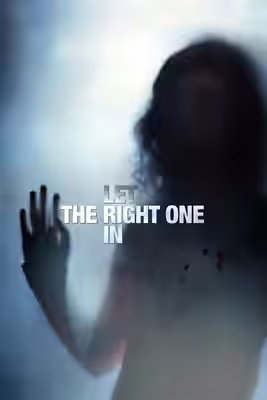
Nosferatu is the grander and more openly frightening of the two, and Let the Right One In is the better film. Eggers gives you fog, a black castle and a count with a chest infection; Alfredson gives you Swedish snow, a bullied boy and a vampire next door, told quietly and patiently. Choose Eggers for dread and spectacle, Alfredson for something tender that unsettles you longer.
Is Nosferatu based on a true story or a book?
Nosferatu is not a true story: it is adapted from Bram Stoker's novel by way of F.W. Murnau's 1922 film, which Eggers rebuilds rather than copies. He moves the emphasis to Ellen, the young wife, and adds a good deal more explanation than Murnau's version had. You need know neither the book nor the earlier film; most viewers will recognise the story beat for beat anyway.
What should I watch after Nosferatu?
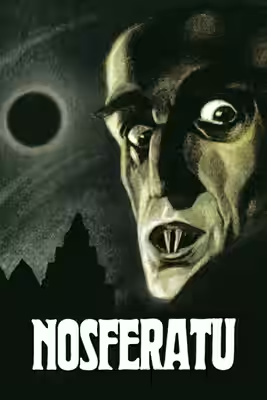
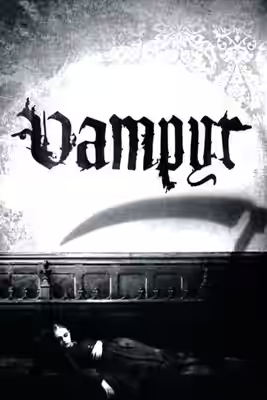
After Nosferatu, try Nosferatu (1922, Fi1m 88): Murnau’s original: no dialogue, one silhouette on a staircase, still the model for all of them. Then Vampyr (1932, Fi1m 85): Dreyer’s near-silent dream film; shadows walk without owners and nobody explains anything; and Let the Right One In (2008, Fi1m 88): Swedish snow, a lonely boy and a vampire next door; quiet, patient and properly cold.

Cast

If you liked this, try…

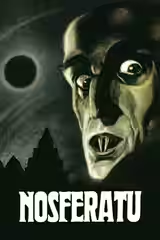
  1. Nosferatu (1922, Fi1m 88)Murnau’s original: no dialogue, one silhouette on a staircase, still the model for all of them.

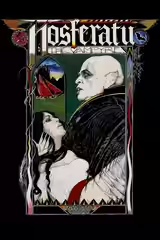
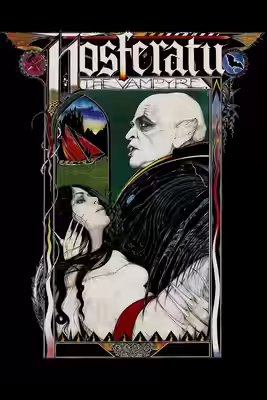
  2. Nosferatu the Vampyre (1979) · not reviewed yetHerzog’s remake, slower and sadder, with Klaus Kinski as a count who is tired of living.

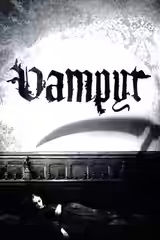
  3. Vampyr (1932, Fi1m 85)Dreyer’s near-silent dream film; shadows walk without owners and nobody explains anything.

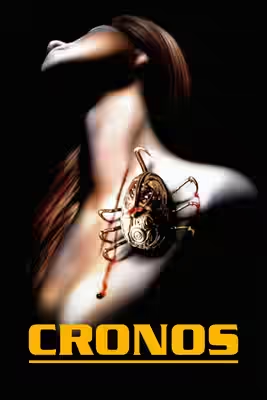
  4. Cronos (1993) · not reviewed yetDel Toro’s first film treats immortality as a family problem, with warmth and insects.

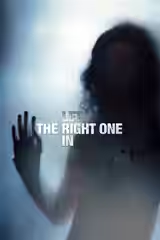
  5. Let the Right One In (2008, Fi1m 88)Swedish snow, a lonely boy and a vampire next door; quiet, patient and properly cold.

Free account

Know what to watch tonight

Two lists that know where things are streaming, collections you can share, your own score beside ours, and Discover that remembers what you have seen.

  • Want to see, sorted by what is streaming now
  • Seen, with your score out of ten
  • No adverts, ever