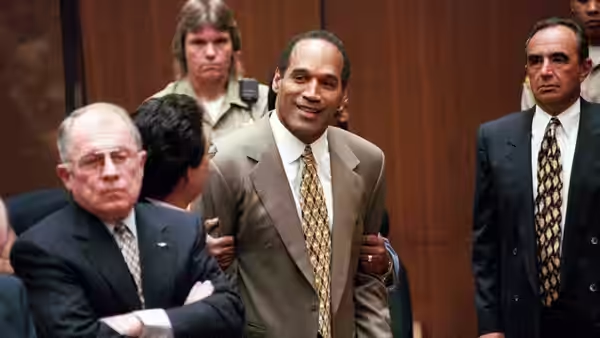
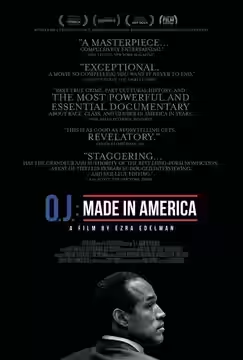
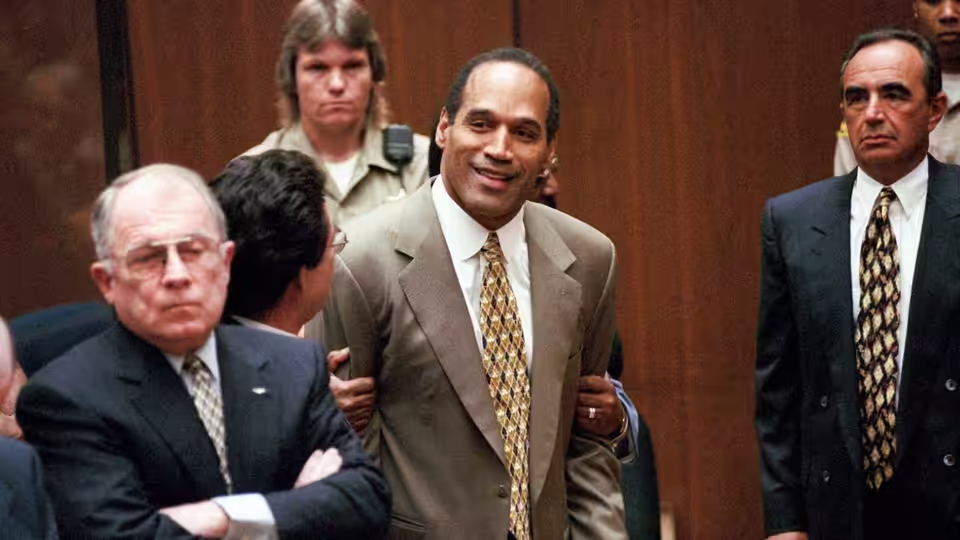
O. J. Simpson smiling while being escorted through a courtroom
Film review

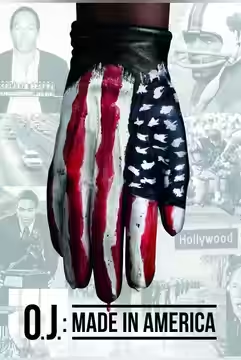
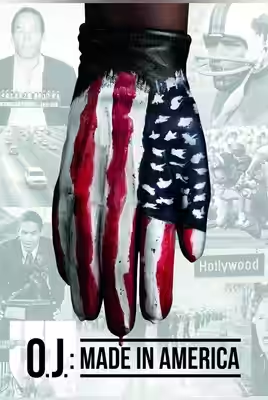
O.J.: Made in America

2016 · Directed by Ezra Edelman · 7h 47m · MPA NR

In a sentenceSeven hours and forty-seven minutes, and the only thing missing is the man himself, who is on screen throughout

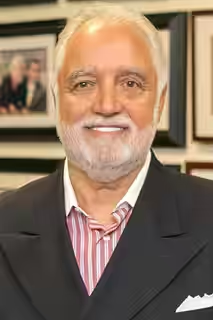
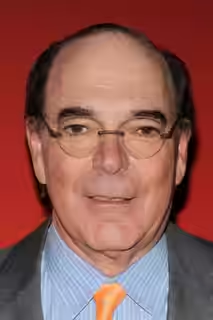
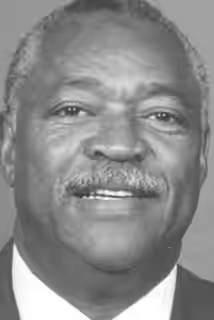
Ezra Edelman’s five-part documentary opens on O. J. Simpson as a young running back at USC in the late 1960s, a black athlete in a white city who says that he is not black, he is O.J. Around him Los Angeles is another story: Watts burns in 1965 and the police treat the black neighbourhoods as territory to be held. Danny Bakewell Sr. remembers those streets; Harry Edwards recalls asking black athletes to take a stand and Simpson declining; teammates Fred Khasigian and Steve Lehmer remember the most likeable man on the field. Simpson goes on to the Buffalo Bills, to adverts, films and a house in Brentwood, while the two cities pull further apart.

Fi1m review

Ezra Edelman’s long account of O. J. Simpson needs every one of its 467 minutes. It is about Los Angeles as much as one man, and it is as good as documentary gets, if you give it a week rather than a night.

Ezra Edelman’s documentary runs seven hours and forty-seven minutes, was made in five parts, and does not reach the murders of Nicole Brown Simpson and Ron Goldman until it is nearly halfway through. Before that it is about football, about the Los Angeles Police Department, and about the city that produced both. Edelman’s case is that you cannot understand what happened in that courtroom in 1995 without understanding Watts in 1965 and Rodney King in 1992, and by the time he gets there he has made us believe him. It is the best long documentary we have seen in years, and it needs every part of its length.

The first two parts move on two tracks. On one, O. J. Simpson runs: for USC, for the Buffalo Bills, through an airport in a hire-car advert, always smiling. On the other, black Los Angeles is policed. Danny Bakewell Sr. describes the neighbourhoods and the men who patrolled them; Harry Edwards, who wanted black athletes of that era to speak up, explains what it meant when Simpson would not. Fred Khasigian and Steve Lehmer, who played alongside him, remember a man everyone liked. The film never says the two tracks will meet. It does not have to.

The editing is where the argument is made. Maya Mumma, Ben Sozanski and Bret Granato have several decades of archive to work with, and they let it speak against itself: a grinning Simpson selling something, then a police baton, then Simpson again. Nothing is rushed. A shot is allowed to sit a beat longer than television usually permits, and the extra beat is where you do the thinking. Nick Higgins shoots the interviews close and still, in dim rooms, so that faces fill the frame. When Ron Shipp, a police officer who was Simpson’s friend, stops talking, the camera stays on him, and what happens to his face is the interview.

The fourth part is the trial, and it is where the film got to us. Marcia Clark, who prosecuted, and F. Lee Bailey, who defended, both sit for Edelman, and Jeffrey Toobin walks us through what each side was doing and why. But Edelman also shows the photographs from the scene, at length and in silence. We looked away, and then made ourselves look back, because the point was plain: the trial had turned two dead people into a debate about the police, and the film insists on making us look at them. We have sat through a great many true-crime hours. Few have felt that responsible.

Simpson himself is present only in archive, and the choice suits him. Peter Hyams, who directed him in Capricorn One, describes a man who was pleasant, easy and not obviously anything else, and the old footage bears him out. The film lets the footage do the work and does not add a verdict of its own. Gary Lionelli’s score is low strings and patience; it stays under the images rather than on top of them, and only occasionally tells you what to feel.

It is not faultless. The fifth part, which follows what came after the verdict and which we will not describe, has a slackness the rest avoids, and Edelman states his idea about fame more than once when once would have served. One or two of Simpson’s friends are given room to be kinder to themselves than the material warrants. And Nicole Brown Simpson, for all the tapes and photographs, stays at a distance; the film knows this and cannot quite solve it.

It was made for television, in chapters, and it feels like it, with the recaps and the part titles. That is not a complaint. It is the form the subject needed, and the long documentaries that have followed it mostly look thin beside it. Watch one part a night, with time to think between them. We took three evenings and would not have wanted it faster. It is the story of a city as much as a man, and cities take a while.
Critical consensus AI synthesised

87
Positive
14
Mixed
1
Negative
0

Most critics agree this is a documentary of unusual range, and nearly all of them recommend it without hesitation. The praise clusters on one point: by setting the Simpson trial inside the longer history of race relations in Los Angeles, alongside the man’s football career and his celebrity, it helps explain the acquittal in a way the trial coverage never managed. Reviewers repeatedly call the seven-and-a-half-hour length a strength rather than an indulgence, allowing both fine detail and a wide view of race, class and the justice system. The interviews and the editing draw particular notice.

The spread is narrow; fourteen of fifteen reviews are positive. The one dissent, from Little White Lies, finds the film fatiguing while still calling it vital, and says it leaves the viewer angry with nowhere to put that anger. Screen Daily, otherwise admiring, wonders whether eight hours of television counts as a film at all. Several critics note how directly it speaks to present-day arguments about police and race.

Los Angeles Times
20 May 2016 · Kenneth Turan
90*

The critic calls the seven-and-a-half-hour documentary exceptionally perceptive, empathetic and compelling, noting that its length allows for both deep specifics and a broad perspective on race, justice and O.J.'s story in Los Angeles. They single out the skillful, revealing interviews with a wide range of subjects for particular praise.

Read the full review →
Screen Daily
6 June 2016 · festival review
90*

The critic finds it compelling and masterfully edited, crowning long-form documentary as the true witness of the media age with its ambitious scope on sport, race, class and the justice system. Eight hours doesn’t feel like enough, though it questions whether the work qualifies as a film.

Read the full review →
Sight and Sound
12 December 2016 · Tom Charity
90*

The critic calls it the definitive record of Simpson’s spectacular rise and fall, a graphic illustration of how race, injustice and celebrity collided. It restores Simpson’s stature as an athlete and explores his transcendence of race before the trial exposed deeper divisions.

Read the full review →
The Guardian
24 January 2016
90*

The critic calls the documentary a marvelous, gripping true crime series that provides vital context and insight into the OJ Simpson case and American society. They praise its straightforward, even-handed journalistic approach that draws out complexities without artifice.

Read the full review →
The Hollywood Reporter
22 January 2016 · festival review · Daniel Fienberg
90*

The critic calls the miniseries a rich and provocative triumph that covers racial history in Los Angeles, Simpson's football career, the trial, and a psychological portrait with confidence. It is intelligent, thorough, and moves at an impressive pace despite its length.

Read the full review →
Vulture
9 June 2016
90*

The review finds the documentary extraordinary and must-see, praising its wide scope that places Simpson's life and trial in the context of late 20th-century cultural dynamics including race and celebrity. It is thought-provoking, astonishing, and sobering throughout its length.

Read the full review →

Straight answers AI written, from our review

Is O.J.: Made in America worth watching?
O.J.: Made in America is worth watching for anyone prepared to give a documentary seven hours and forty-seven minutes over several evenings, and we scored it 91. Ezra Edelman's film is about Los Angeles and its police as much as about Simpson, and it needs its length to make that case. Take it one part a night rather than in a single sitting.
How long is O.J.: Made in America, and what is it rated?
O.J.: Made in America runs 7h 47m and is rated NR by the MPA in the US. It is a documentary and crime film.
Where can I watch O.J.: Made in America in the US?
O.J.: Made in America is not on any streaming or rental service in the US at the moment. Availability is checked daily.
How violent or frightening is O.J.: Made in America, and is it suitable for children?
O.J.: Made in America has no UK certificate, but it is an adult documentary about two murders and is not for children. The fourth part shows the crime scene photographs of Nicole Brown Simpson and Ron Goldman at length and in silence, and we found them hard to look at. There is also archive footage of police violence in Los Angeles.
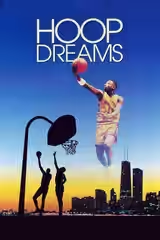
How does O.J.: Made in America compare to Hoop Dreams?
O.J.: Made in America and Hoop Dreams are both long American documentaries about what athletes are asked to be, and both are exceptional. Edelman's film is built from decades of archive and argues a case about a city, its police and a trial; Steve James's is quieter, following two young basketball hopefuls, their schools and families over five years. Choose Edelman for history and crime, James for the closer, more intimate film.
What should I watch after O.J.: Made in America?
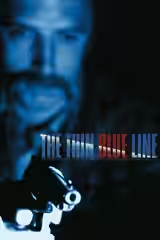
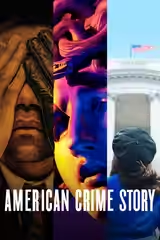
After O.J.: Made in America, try Hoop Dreams (1994, Fi1m 92): Two Chicago boys, one sport and five years; the other great American film about what athletes are for. Then The Thin Blue Line (1988, Fi1m 90): Errol Morris on a Texas murder case; the film that taught documentaries how to argue; and The People v. O.J. Simpson: American Crime Story (2016, Fi1m 78): The same trial as drama; sillier, but Sarah Paulson’s Marcia Clark is worth the hours.

Cast

Awards

Academy Awards, 2017

Won
Best Documentary Feature Film

If you liked this, try…

  1. Hoop Dreams (1994, Fi1m 92)Two Chicago boys, one sport and five years; the other great American film about what athletes are for.

  2. The Thin Blue Line (1988, Fi1m 90)Errol Morris on a Texas murder case; the film that taught documentaries how to argue.

  3. LA 92 (2017) · not reviewed yetThe Rodney King riots told entirely in archive, no narrator; the city Edelman describes, on fire.

  4. The People v. O.J. Simpson: American Crime Story (2016, Fi1m 78)The same trial as drama; sillier, but Sarah Paulson’s Marcia Clark is worth the hours.

  5. The Act of Killing (2012, Fi1m 88)Indonesian death-squad veterans re-enact their crimes for the camera; charm as a cover for horror.

Free account

Know what to watch tonight

Two lists that know where things are streaming, collections you can share, your own score beside ours, and Discover that remembers what you have seen.

  • Want to see, sorted by what is streaming now
  • Seen, with your score out of ten
  • No adverts, ever