The concerts are stirring and the Gallagher humour survives the reverence. This is good company for those who love the songs, though the fan tributes run long and the reconciliation gets little examination.
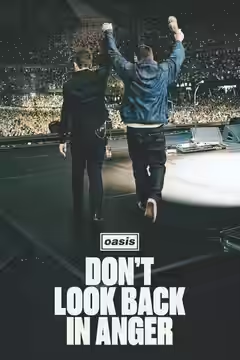
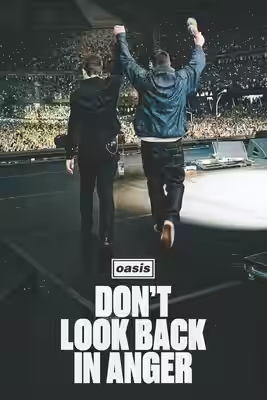
Dylan Southern and Will Lovelace have made a good concert documentary for people who already have some affection for Oasis. Oasis: Don’t Look Back in Anger wants to share the pleasure of the band’s 2025 reunion tour, and it has the performances to make that a reasonable ambition. Its weakness is the amount of reassurance surrounding them. The songs, the brothers’ jokes and the audience responses make the case without quite so many contributions explaining how much it all matters.
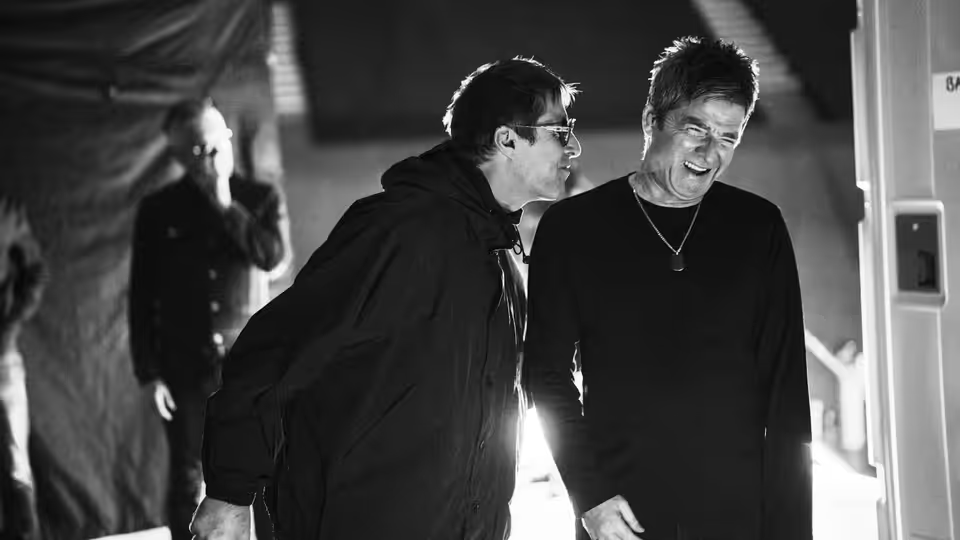
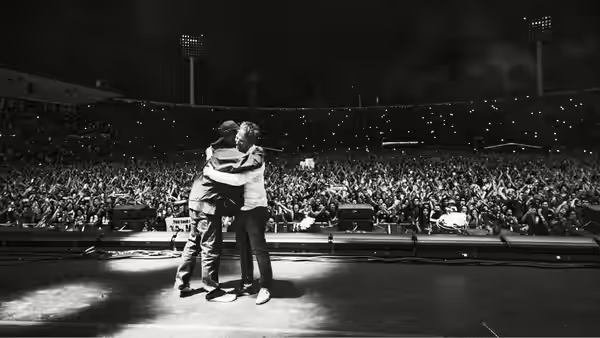
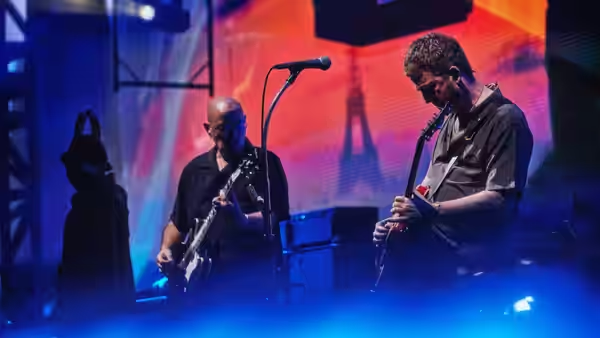
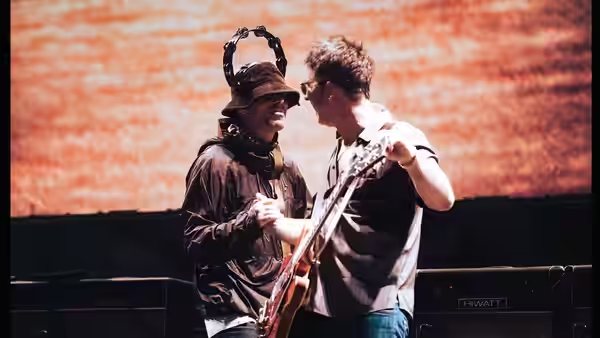
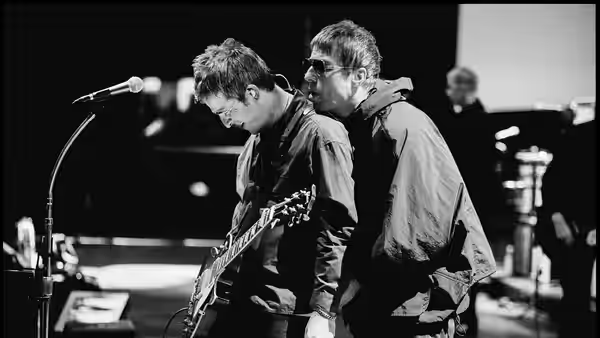
The sight of Liam Gallagher and Noel Gallagher performing together gives the film a reason to exist beyond recording a setlist. Their shared stage presence carries the knowledge of years spent feuding, even when the film has little interest in examining those years. We were moved by the fans’ accounts of what the songs mean to them. Hearing those personal histories alongside the performances helps explain why people have invested so much in seeing the brothers together again.
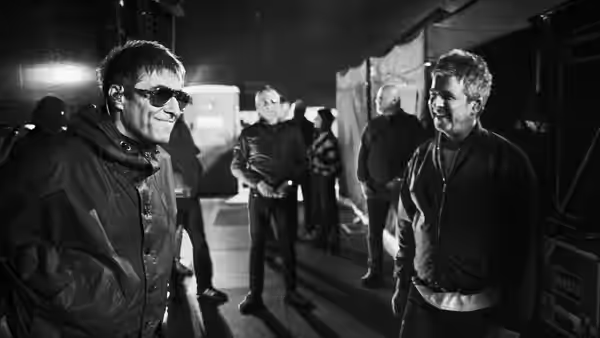
Haris Zambarloukos’s concert photography works best when it lets us watch the brothers together and notice the smaller exchanges between them. Seeing them share a stage does more for the film than another explanation of why their reunion is important. The shooting is conventional enough that the pictures offer few surprises of their own. That limits the appeal for anyone unmoved by the music, but the footage gives the performances enough space to work without requiring constant visual distraction.
The comic commentary from Liam Gallagher and Noel Gallagher is a welcome interruption to the reverence. Both remain capable of puncturing a solemn occasion, and the documentary is funnier whenever it gives them the chance. When a documentary keeps insisting how much a band matters to people, it can leave little room for anyone to be awkward. The brothers’ humour helps prevent that, although the affectionate portrait still feels carefully protected.
George Cragg cuts between the live material and archive footage, keeping the return to the stage connected to an earlier life for the band. The fan contributions belong in that account: they establish why this reunion means something beyond an opportunity to hear familiar songs played loudly. Yet they accumulate past the point where we need persuading, and each additional declaration of affection makes the next return to the performance feel overdue. At 123 minutes, the film gives enthusiasm too much time to repeat itself.
The larger omission is how the reconciliation happened. The film presents the reunion after years of conflict without asking enough about what allowed these two men to work together again, so its insistence on the importance of their reconciliation becomes frustrating. A concert documentary has no obligation to conduct a family inquiry, and we would not trade the music for a catalogue of grievances. But the emphasis on reconciliation invites questions that the film prefers to leave alone.
Treat it as a concert film and the evening is well spent, provided there is already room for Oasis in it. The performances have enough feeling and the brothers enough comic impatience to survive the more laborious tributes, even if 123 minutes tests the casual listener. Come for the songs and the company; a detailed explanation of the family peace will require another film.