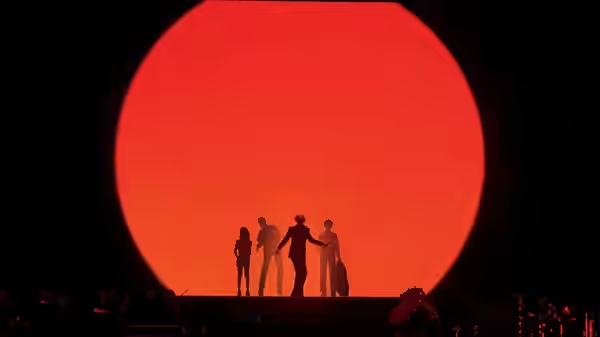
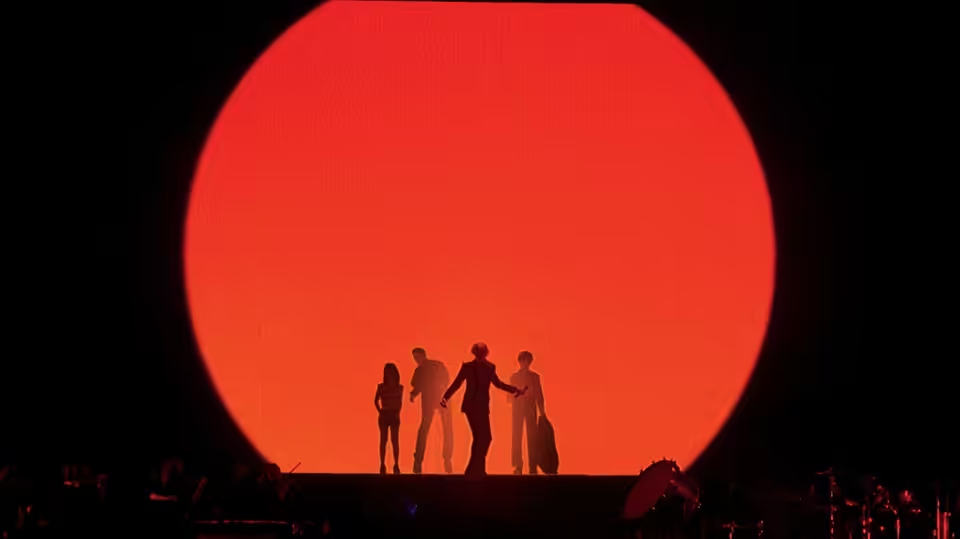
performers stand on stage holding hands before a large red circle
Film review

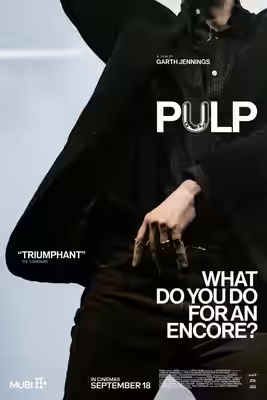
Pulp: What Do You Do for an Encore?

2026 · Directed by Garth Jennings · 1h 38m

In a sentenceNinety-eight minutes of Jarvis Cocker, with the rest of Pulp visible somewhere behind him if you squint

Pulp, the band Jarvis Cocker formed in Sheffield, are playing a concert at London’s O2. Garth Jennings’s documentary moves between that stage and the story of how they got there: years of playing to almost nobody, a frontman who was certain of himself long before anyone else was, and a slow, unlikely climb to become one of the country’s best-loved groups. Cocker does most of the talking. Keyboard player Candida Doyle, drummer Nick Banks and guitarist Mark Webber appear alongside him, on stage now and in decades of archive footage from the years when almost nobody was watching, when the band were sure they would be famous and had no evidence for it.

Plays from YouTube when you press play; nothing loads from them until then.

Fi1m review

Garth Jennings’s film about Pulp is warm and funny whenever it looks backwards, and Jarvis Cocker is good company throughout. When it reaches the O2 stage, where it ought to come alive, the cameras stand too far back to catch what the band is doing.

Garth Jennings, who made Son of Rambow (2007) and The Hitchhiker’s Guide to the Galaxy (2005), has made a film about Pulp that is half a concert film and half a biography, and the halves are not equally good. The biography is a pleasure: dry, unexpectedly tender, and steered almost entirely by Jarvis Cocker, who talks about his own past the way he sings about other people’s, fondly and with one eyebrow up. The concert, filmed at London’s O2, is where the film ought to catch fire and mostly does not. It runs 98 minutes, and it is a good evening for anyone who owned the records and a puzzling one for anyone who did not.

The story Jennings wants to tell is a plain one, and he is right to keep it plain. A tall boy in Sheffield decides he is going to be a pop star and keeps deciding it through years in which nothing happens and nobody comes. Eventually the country catches up. Jennings is good on stubbornness; his fiction films are full of people who believe in a thing long past the point of reason, and Cocker is that person in the flesh. The archive is the film’s best material. There is a great deal of it, and much of it comes from the years before anyone was filming Pulp on purpose.

The editors, Barney Pilling and Dylan Hansen-Fliedner, do the film’s real work. They cut the past against the present so that a face in a badly lit room turns, decades later, into the same face under stage lights, older and plainly happier. We were moved by that, more than we had bargained for, and we can say exactly why: the film does not comment on the gap, it simply puts one shot next to the other and lets us count the years. Cocker is at his best in interview in this stretch too, honest about how long the failure lasted and how odd the success felt when it arrived.

He is the film’s subject as well as its guide, and that is the first of its two problems. Candida Doyle, Nick Banks and Mark Webber are all here, on stage and in interview, and the film treats them mainly as witnesses to Cocker rather than as people with stories of their own. Doyle’s keyboards are as much the sound of Pulp as Cocker’s voice, and the film seems only mildly curious about her. It is his band, and the others seem content to say so, but a documentary about a band ought to have found more to ask them.

The second problem is the concert, and it is the one that matters more. The O2 footage is shot from a distance, wide and steady, so that the band are figures on a platform and the crowd is a dark mass at the bottom of the frame. What Pulp do live, on the evidence of every old clip in this same film, is close work: Cocker’s hands, Cocker’s knees, a lyric delivered to one person in the front row. The cameras at the O2 rarely get near enough to see any of it. We spent the big songs waiting for a cut that would put us on the stage, and it did not come. It is a strange failing in a film that has just spent an hour showing us, in grainy video from tiny rooms, how much of this band lives in the details.

Against the run of recent music documentaries, this is one of the better-made and better-tempered ones. It does not inflate its subject, it is funny on purpose, and Cocker is far better company than most frontmen handed a camera and 98 minutes. But the half that should have been its reason for existing is the weaker half.

See it if you loved them, with someone who did, and expect to be pleased for an hour and then slightly restless. If you have never heard a Pulp record, start with the records; the film assumes you already know why you are there.

Critical consensus AI synthesised

72
Positive
3
Mixed
1
Negative
0
Little White Lies
14 September 2026 · 4/4/4 · Emma Fraser
80

Fraser finds the film a joyous celebration that will delight Pulp fans. She praises its blend of live performance and archival material, especially the intimate tribute to Steve Mackey.

Read the full review →
Sight and Sound
18 September 2026 · Sam Davies
70*

The film charts the thrilling story of Pulp with a focus on Jarvis Cocker, splitting the difference between a concert film and a band documentary while highlighting their phenomenal live performances. It notes a few forgivable omissions, such as limited spotlight on other band members and certain key events.

Read the full review →
The Guardian
18 September 2026
60*

The critic finds the archive footage and biographical elements droll, heartfelt and inimitably Cocker, but notes that the distant camerawork in the O2 concert footage fails to capture the energy of the performances.

Read the full review →
NME
16 September 2026 · Priya Elan
80*

The critic praises the film as a celebration of Pulp that traces the band's journey from Sheffield origins to national treasures, highlighting themes of self-belief and including joyful live performances. They single out the director's effective use of archive material and the emotional contrast between past struggles and current stage happiness.

Read the full review →

Straight answers AI written, from our review

Is Pulp: What Do You Do for an Encore? worth watching?
Pulp: What Do You Do for an Encore? is worth watching if you loved the band, and we scored it 65. The archive half is warm and funny, with Jarvis Cocker good company throughout, but the O2 concert footage stands too far back to show what Pulp do live. Newcomers should start with the records; the film assumes you already know why you are there.

How long is Pulp: What Do You Do for an Encore?, and what is it rated?
Pulp: What Do You Do for an Encore? runs 1h 38m. It is a documentary and music film.
Where can I watch Pulp: What Do You Do for an Encore? in the US?
Pulp: What Do You Do for an Encore? is not on any streaming or rental service in the US at the moment. Availability is checked daily.
What should I watch after Pulp: What Do You Do for an Encore??
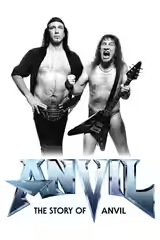
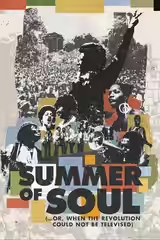
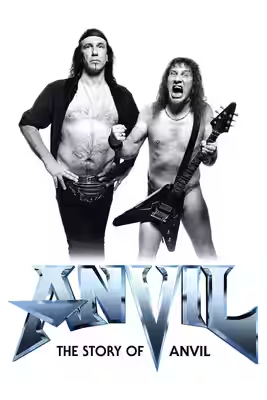
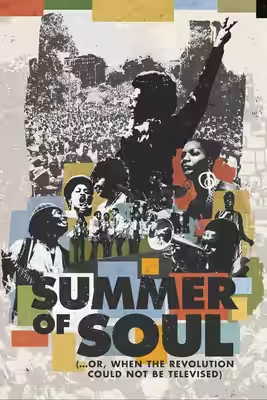
After Pulp: What Do You Do for an Encore?, try Anvil! The Story of Anvil (2008, Fi1m 80): Two Canadian metal lifers who kept believing long after everyone else stopped; funny and unexpectedly moving. Then Buena Vista Social Club (1999, Fi1m 76): Wim Wenders films old Cuban musicians finding an audience late; patient, warm and close to the players; and Summer of Soul (2021, Fi1m 87): Archive concert footage cut with real care, and the cameras never lose the faces.

Cast

If you liked this, try…

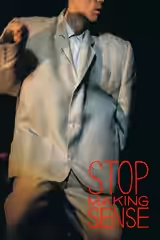
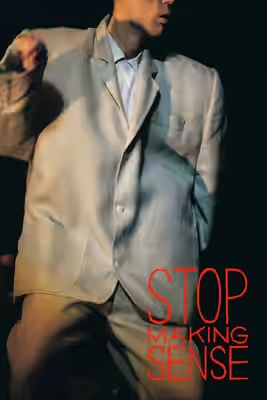
  1. Stop Making Sense (1984) · not reviewed yetThe concert film that proves a camera can stand close and stay out of the way.

  2. Meeting People Is Easy (1998) · not reviewed yetRadiohead on tour, exhausted and famous; the sourer cousin of Pulp’s late contentment.

  3. Anvil! The Story of Anvil (2008, Fi1m 80)Two Canadian metal lifers who kept believing long after everyone else stopped; funny and unexpectedly moving.

  4. Buena Vista Social Club (1999, Fi1m 76)Wim Wenders films old Cuban musicians finding an audience late; patient, warm and close to the players.

  5. Summer of Soul (2021, Fi1m 87)Archive concert footage cut with real care, and the cameras never lose the faces.

Free account

Know what to watch tonight

Two lists that know where things are streaming, collections you can share, your own score beside ours, and Discover that remembers what you have seen.

  • Want to see, sorted by what is streaming now
  • Seen, with your score out of ten
  • No adverts, ever