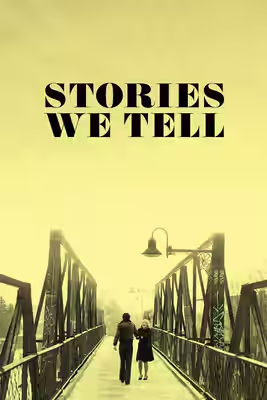
a couple holding hands while walking across a snow-covered bridge
Film review

Stories We Tell

2012 · Directed by Sarah Polley · 1h 49m · MPA PG-13

In a sentenceA dozen people, one mother, and no two of them remember the same woman

In Toronto, the director Sarah Polley asks her family to tell, one by one and from the beginning, the story of her mother, Diane Polley, an actress and casting director who died when Sarah was eleven. Her father, Michael Polley, has written his own account and reads it in a recording booth while his daughter directs from behind the glass. Her siblings Mark Polley, Joanna Polley, John Buchan and Susy Buchan tell it their own way, as do Diane’s friends. Grainy Super 8 footage shows Diane dancing and laughing. Two things recur: a family joke that Sarah looks nothing like her father, and a winter Diane spent in Montreal doing a play, which nobody remembers the same way.

Fi1m review

Sarah Polley turns the camera on her own family and asks them to tell her the story of her mother, and they all tell it differently. It is warm, sly and moving; it also keeps explaining its own cleverness after we have understood it.

Sarah Polley was a child actor for years before she directed Away from Her (2006) and Take This Waltz (2011), so she knows what a camera does to people asked to be themselves in front of it. In Stories We Tell she points one at her own family. Her father, her brothers and sisters, and a handful of her late mother’s friends are each asked to tell, from the beginning and in full, the story of Diane Polley, an actress and casting director in Toronto who died when Sarah was eleven. No two of them tell it the same way. That is the film, and for most of its 109 minutes it is a warm, sly and unusually honest one.

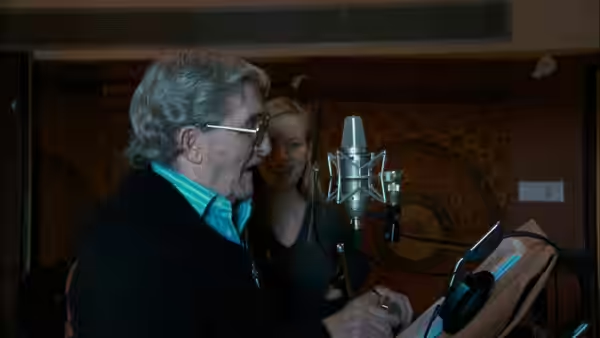
Michael Polley is the anchor. He has written the story down himself, and his daughter puts him in a recording booth to read it, then interrupts from the other side of the glass to ask for a line again. He does the line again. He is English, dry and unhurried, and he reads passages about his own marriage that a vainer man would have cut, with a courtesy that never once asks for our sympathy. It moved us more than we were ready for, watching a man let his daughter direct the hardest chapter of his life and ask only whether the reading was any good.

Around him sit the others, in their own kitchens and sitting rooms. Mark Polley, Joanna Polley, John Buchan and Susy Buchan overlap, correct one another and now and then flatly disagree, and Mike Munn cuts them so that a memory begun by one is finished by another who remembers it the other way round. Harry Gulkin, who knew Diane from her time in Montreal, tells his part slowly, and it belongs to the second half. The first hour is built on a family joke, that Sarah looks nothing like her father, and on a winter Diane spent in Montreal doing a play. Everyone remembers the joke. Nobody agrees on the winter.

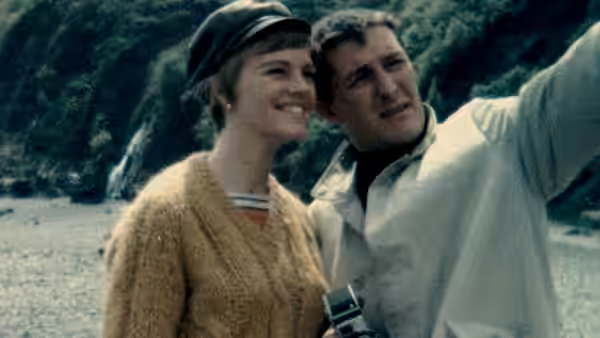
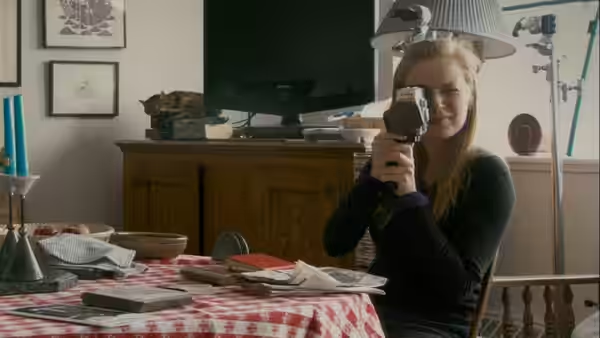
Iris Ng shoots the interviews plainly, in daylight, and lets the family’s old reels do the rest: grainy Super 8 of Diane laughing at whoever is holding the camera, dancing, lighting a cigarette. Some of it is not family footage. Polley has staged scenes with actors on the same stock, and Lea Carlson dresses them so that 1970s Toronto and Montreal look like anyone’s shoebox of reels. For a long stretch we could not tell which was which, and the film knows it, and before the end it says so. Some will call that a cheat. We thought it fair, because the film’s whole case is that a remembered life is largely made up afterwards, and here is some of it being made up in front of us. Jonathan Goldsmith’s score, mostly piano, is quiet and knows when to stop.

The trouble is the last twenty minutes. Having shown us that everyone remembers differently and let us feel it, the film starts to say it out loud. Storytellers are asked what they think of the project. Polley is heard explaining why she made it. One of them argues, at length, about who the story belongs to. The point had landed an hour earlier, and we felt the film tap us on the shoulder to check we had understood. We had. Polley also keeps herself mostly off screen, a voice asking questions, which is a modest choice and a costly one, because the person with the most at stake is the one we come to know least. Diane herself stays a bright blur, which may be the truth of her and is also a little frustrating.

Family documentaries usually have someone to blame. This one does not. Nobody in it is angry, and nobody is asked to be, which speaks either to a remarkable family or to what was left in the edit; we suspect a bit of both. It sits well beside Polley’s own Away from Her, which was also about a marriage and what memory does to it, and this is the warmer of the two.

See it with a sibling, and count how many times one of you says that is not how it happened. It runs 109 minutes and carries a 12A.


Critical consensus AI synthesised

72
Positive
15
Mixed
2
Negative
1

Most critics like Stories We Tell, and the praise gathers in one place: the way Sarah Polley turns her own family’s secret, and her mother’s charismatic, half-hidden life, into a film about how memory works. The interviews with siblings, friends and her father are singled out repeatedly, as is the reconstructed Super 8 footage that most reviewers find inventive rather than cheating. Several call it tender and funny, one or two note it plays like a thriller, and the general view is that Polley handles painful material without exploiting anyone.

The reservations cluster around the framing. A few critics wonder whether the self-conscious business about documentary truth is needed when the personal story carries itself, and one finds the ending slightly off-message. Screen Daily thinks it loses focus at times. The Telegraph is the lone dissenter, arguing the film reveals little and that its much-discussed ambiguity never arrives. Otherwise the spread is narrow, with most reviews warm rather than ecstatic.

Los Angeles Times
16 May 2013 · Kenneth Turan
90*

The critic calls the film an invigorating powerhouse that is adventurous and fascinating. He singles out its exploration of truth, secrecy, memory, and family relationships as it peels back layers like an onion.

Read the full review →
The Times
28 June 2013 · Kate Muir
90*

Polley’s film is a fearless dumping out of the family closet as she exposes her charismatic mother’s secret life. The result is a resounding success, entangling the audience in the family’s emotions through interviews, narration and carefully edited footage.

Read the full review →
Little White Lies
28 June 2013 · 5/4/3 · Adam Woodward
80

Polley delivers a bittersweet and compelling autobiographical family portrait through interviews and faux-home movie footage. The critic praises its tender, candid exploration of truth and memory while noting it strays slightly off-message in the conclusion.

Read the full review →
Time Out
25 June 2013 · ★★★★ · Cath Clarke
80

This beautiful and funny documentary explores how families tell stories differently, with everyone remembering events in their own way. The critic highlights the thriller-like twists and the engaging way Polley lets family and friends recount her mother's story.

Read the full review →
The Independent
29 June 2013 · Jonathan Romney
75*

The film is a subtle and complex personal investigation into family secrets and the reconstruction of the mother’s charismatic character. It succeeds as a feminist tribute and process of therapy despite some elaborate fakery.

Read the full review →
Evening Standard
28 June 2013
70*

Polley’s documentary blends real interviews and fabricated Super-8 footage to explore the need to tell and own stories about infidelity and family. It avoids pure narcissism by emphasizing the creative act of storytelling itself.

Read the full review →

Straight answers AI written, from our review

Is Stories We Tell worth watching?
Stories We Tell is worth watching for anyone who likes a documentary about family and memory rather than crime or scandal, and we scored it 77. Sarah Polley asks her father, siblings and her late mother's friends to tell the same story, and no two agree, which is warm, sly and moving. It spends its last twenty minutes explaining a point it had already made.
How long is Stories We Tell, and what is it rated?
Stories We Tell runs 1h 49m and is rated PG-13 by the MPA in the US. It is a documentary film.
Where can I watch Stories We Tell in the US?
Stories We Tell is streaming on Tubi, Amazon Prime Video and The Roku Channel in the US, and it is also available to rent from Apple TV and Amazon Prime Video from $3.99. It leaves Tubi on 1 October. Availability is checked daily; the links above go straight to each service.
How violent or frightening is Stories We Tell, and is it suitable for children?
Stories We Tell carries a 12A in the UK and contains no violence and nothing frightening. It is a talking-heads documentary about a Toronto family remembering a mother who died when the director was eleven, with old home footage and a good deal of frank talk about a marriage. Younger children are more likely to be bored than upset; teenagers with patience for grown-ups talking will be fine.
What should I watch after Stories We Tell?
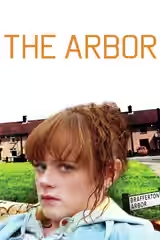
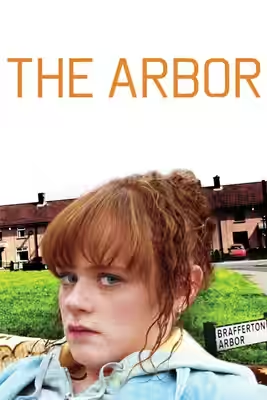
After Stories We Tell, try The Arbor (2010, Fi1m 83): Actors lip-sync real interviews about a Bradford playwright; the same trick, harder and colder. Then Away from Her (2006, Fi1m 82): Polley’s first film, about a marriage and a wife who is forgetting it.

Cast

If you liked this, try…

  1. Dick Johnson Is Dead (2020) · not reviewed yetA daughter films her father and stages his death, repeatedly, with his cheerful consent.

  2. The Arbor (2010, Fi1m 83)Actors lip-sync real interviews about a Bradford playwright; the same trick, harder and colder.

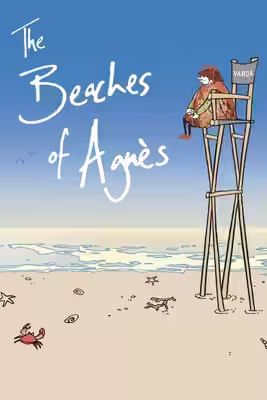
  3. The Beaches of Agnès (2008) · not reviewed yetVarda rebuilds her own life on a beach with mirrors and admits which bits she invented.

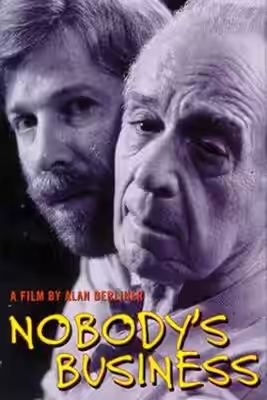
  4. Nobody's Business (1996) · not reviewed yetA son interrogates a father who would rather he did not; funnier and crosser than Polley.

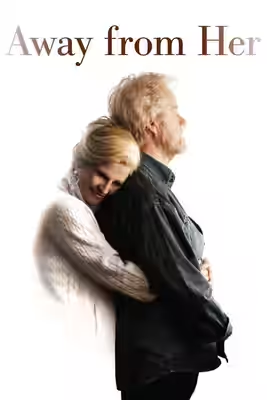
  5. Away from Her (2006, Fi1m 82)Polley’s first film, about a marriage and a wife who is forgetting it.

Free account

Know what to watch tonight

Two lists that know where things are streaming, collections you can share, your own score beside ours, and Discover that remembers what you have seen.

  • Want to see, sorted by what is streaming now
  • Seen, with your score out of ten
  • No adverts, ever