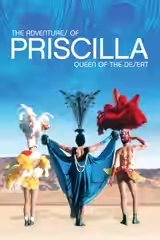
Every one of the thirteen reviews is positive, and most of the praise gathers around Terence Stamp. Critics from the first festival notices to the retrospectives three decades on call his Bernadette the soul of the film, a revelation and a star turn from an actor working against type. The rest of the credit goes to the costumes, the bitchy dialogue and the disco numbers, with several critics noting how much warmth sits under the vulgarity: a story about wanting a family, told with an old-fashioned belief in happy endings.
The reservations are few and mild. Empire finds it not always as funny as it thinks it is, and says the comedy and the serious points do not quite blend. The Los Angeles Times spots a streak of conventional sentimentality that softens the edge. The spread is narrow, but there is a pattern: the 1994 American reviews are the coolest, and the later British and online writers the warmest.