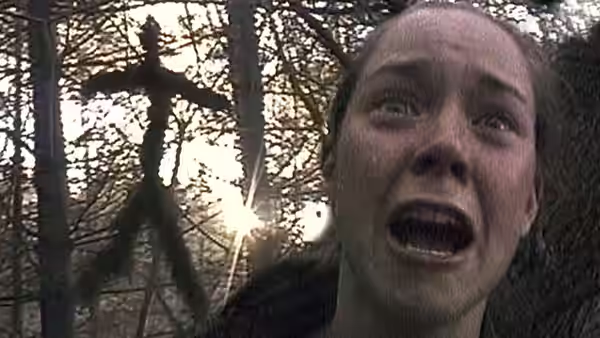
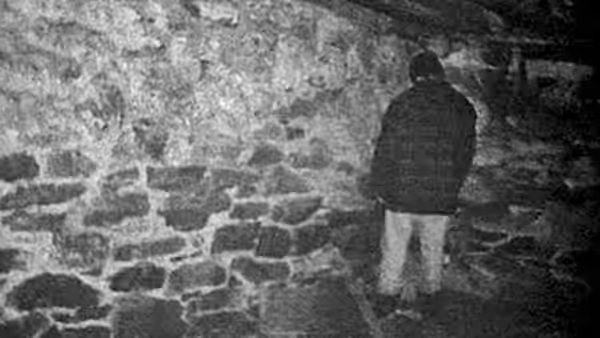
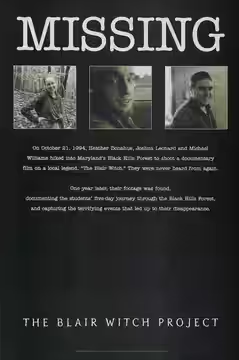
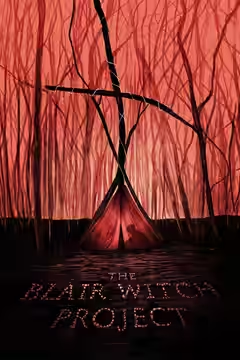
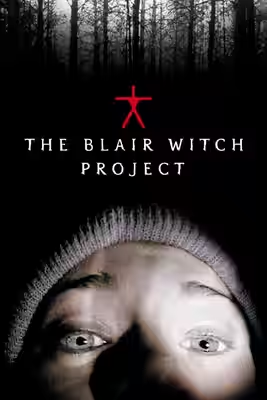
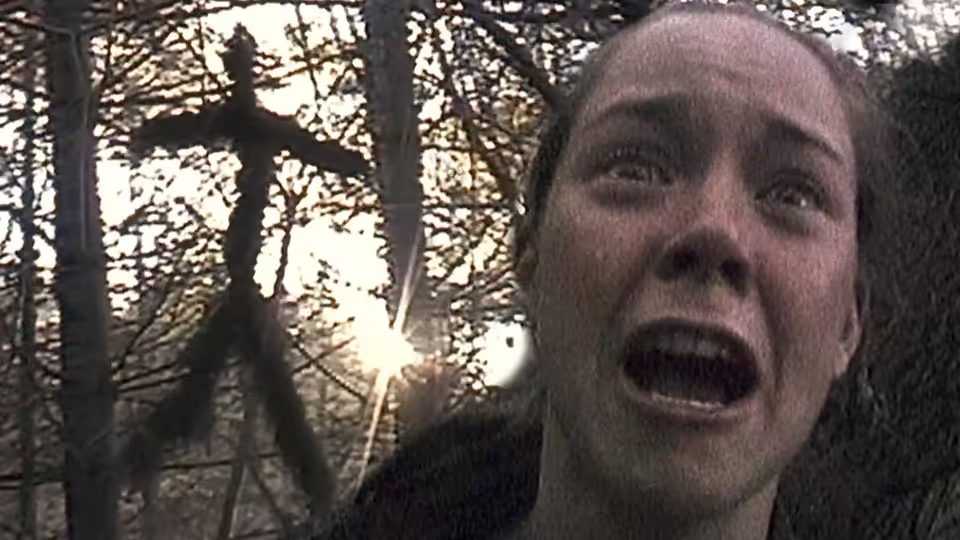
Heather Donahue (Rei Hance) crying out in fear in the woods
Film review

The Blair Witch Project

1999 · Directed by Daniel Myrick, Eduardo Sánchez · 1h 21m · MPA R

In a sentenceA camera is a poor substitute for knowing how to get out of the woods

Three student filmmakers take their cameras into the woods to make a documentary. Heather Donahue, Joshua Leonard and Michael C. Williams play the trio, whose footage records both their work and the less orderly business of making it. As they lose their way, their attention shifts from the documentary to their own surroundings. The cameras stay with people who no longer understand what is happening around them, while darkness limits what they can see. The Blair Witch Project tells its story through the material they film, with much of what troubles them outside the frame.

Plays from YouTube when you press play; nothing loads from them until then.

Fi1m review

Daniel Myrick and Eduardo Sánchez make an unnerving horror film from handheld footage and people losing their nerve. We recommend it for the performances and the dread, with a warning that the panic can become repetitive.

The Blair Witch Project is frightening because its filmmakers understand how quickly confidence becomes useless when nobody knows the way back. Daniel Myrick and Eduardo Sánchez, who write, direct and edit, keep us with three student filmmakers whose documentary takes them into the woods. It is a strong horror film, with a little too much repetition even at 81 minutes. Its principal interest is what happens to people who begin by thinking that filming something means they can understand it.

Heather Donahue, Joshua Leonard and Michael C. Williams make the group convincing without making it particularly agreeable. Their performances leave room for irritation as well as fear, and their less likeable moments help the pretence of documentary feel credible. Donahue is especially good at letting confidence become effort: keeping going begins to look exhausting. The distinction between the documentary they intend to make and their behaviour around it gives us a useful measure of how far their composure slips.

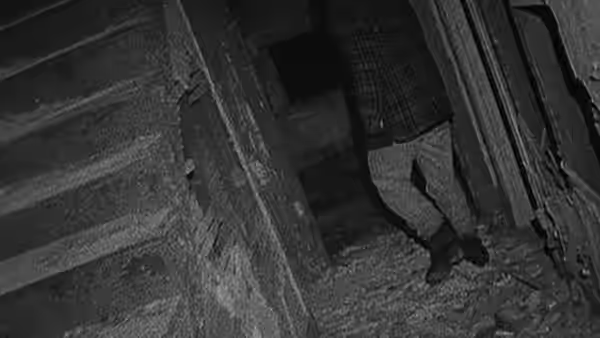
Cinematographer Neal Fredericks’s handheld images deny us the comfortable view we tend to expect from a horror film. We cannot calmly inspect the woodland and decide where the danger will enter; the camera belongs to somebody caught up in the same confusion. We were frightened by the stretches of darkness because we kept trying to find something in an image that would not give us enough to look at. The roughness works, although the restless movement also makes watching unnecessarily hard at times.

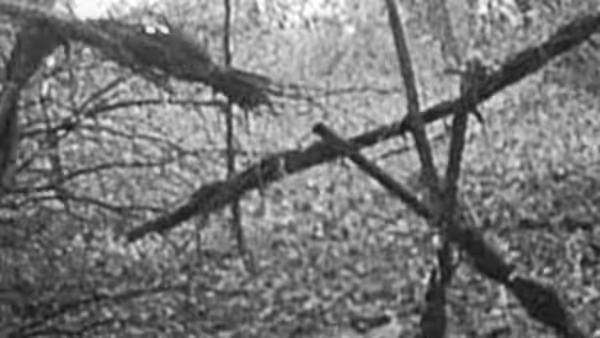
Ben Rock’s production design works particularly well in its small, disturbing objects. The stick figures look crude enough to belong among the trees, and that helps them trouble us more than a fussier prop might. Tony Cora’s music matters less to the effect than the sound around those uncertain images, which keeps us attending to things the camera cannot clarify. When the screen provides so little information, listening becomes a way of searching, and the soundtrack makes that search uncomfortable.

The editing by Myrick and Sánchez largely respects the limits of the material. They let the footage remain awkward enough to feel like something being recorded by people with more urgent concerns than making a tidy film. But the repeated panic does lose force, and stretches begin to restate how frightened and helpless everyone is without changing our understanding. We are ready for the film to move on before it is ready to do so, which is a noticeable fault in something this short.

Against horror built around clearly displayed threats, this approach asks more patience and makes unusually good use of it. There is pleasure in recognising how little the film needs, but the actors keep that admiration from becoming a detached exercise in spotting tricks. We believe in their mounting alarm enough to stay with them through the repetitions. Watch it when darkness and uncertainty sound more appealing than explanations, and take the unsteady camera as a serious caveat.
Critical consensus AI synthesised

78
Positive
14
Mixed
2
Negative
0

Most critics are frightened by it and impressed by how little it needs to frighten them. The praise clusters on the handheld camerawork, the sound of things unseen in the dark, and the three leads, whose improvised panic is repeatedly called believable. Several reviews say the woods themselves become the threat, and that a noise you cannot see is worse than a monster you can. The later notices, written a decade or two on, agree it still works.

The reservations are about payoff and pace. Variety and Collider both find the ending abrupt after so long a buildup, and the Los Angeles Times enjoys it more as a joke about student arrogance than as horror. Eye for Film is the least persuaded, calling the footage messy and the characters hard to like, though it still credits the tension. Sight and Sound is troubled less by the film than by how it was made, and by the marketing. The spread is narrow; nobody dismisses it.

RogerEbert.com
16 July 1999 · Roger Ebert
90*

The critic praises it as an extraordinarily effective horror film that taps into instinctive fears of the dark and unknown without relying on effects or monsters. They single out the realistic handheld camerawork, the way it makes nature seem oppressive, and the reminder that unseen noises are scarier than visible threats.

Read the full review →
The Guardian
22 October 1999 · Peter Bradshaw
90*

The film is a remarkably effective low-budget ghost story that evokes genuine fear through darkness, shadows and simplicity rather than conventional horror shocks. It has interesting things to say about modern America and its ancient wilderness.

Read the full review →
Time Out
25 April 2012 · TCh
90*

The film is praised as back-to-basics horror that effectively builds dread through the found-footage format, strong performances, and evocative sound design, leaving a lingering unsettling effect.

Read the full review →
Slant Magazine
· Ed Gonzalez
85*

The film is a riveting and terrifying study of fear that evokes the inscrutability of myth. It excels in portraying the characters' growing panic and loss of control as their documentary project unravels in the woods.

Read the full review →
IndieWire
14 July 1999 · festival review · Indiewire
80*

The film delivers intense scares through its handheld, documentary-style footage of three student filmmakers lost in the woods. It stands out for its raw, immersive approach to building dread without relying on traditional horror effects.

Read the full review →
The AV Club
11 November 2024 · Matt Schimkowitz
80*

The film remains one of the most influential horror movies of recent decades, with its raw, grainy style effectively burrowing into viewers' terror centers. A corrected home video transfer finally allows audiences to experience the directors' original intent without the previous technical flaws that marred earlier releases.

Read the full review →

Straight answers AI written, from our review

Is The Blair Witch Project worth watching?
The Blair Witch Project is worth watching for anyone who prefers dread to explanations, and we scored it 84. Daniel Myrick and Eduardo Sánchez build real fear from handheld footage and three students losing their nerve in the woods. The panic repeats itself more than an 81-minute film should allow, and the unsteady camera makes watching hard at times.
How long is The Blair Witch Project, and what is it rated?
The Blair Witch Project runs 1h 21m and is rated R by the MPA in the US. It is a horror and mystery film.
Where can I watch The Blair Witch Project in the US?
The Blair Witch Project is streaming on HBO Max, The Roku Channel, Hulu and Amazon Prime Video in the US, and it is also available to rent from Amazon Prime Video and Apple TV from $3.99. Availability is checked daily; the links above go straight to each service.
How violent or frightening is The Blair Witch Project, and is it suitable for children?
The Blair Witch Project carries a UK 15 certificate and is not suitable for children. It is frightening rather than graphically violent: the threat stays outside the frame, and long stretches of darkness, unsteady images and the sound of things the camera cannot show do the work. Older teenagers who can take sustained unease should manage; the squeamish will find it more exhausting than gory.
What should I watch after The Blair Witch Project?
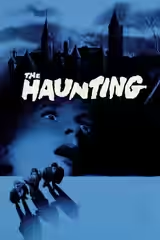
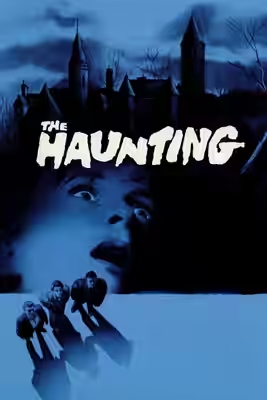
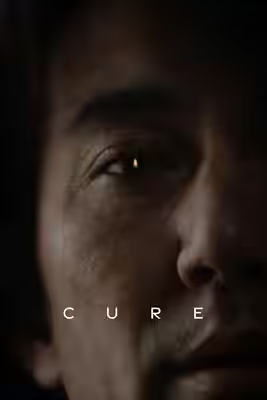
After The Blair Witch Project, try The Haunting (1963, Fi1m 84): For another haunted space made frightening chiefly by what cannot be seen. Then Cure (1997, Fi1m 85): For patient, unnerving horror that makes ordinary conversations feel increasingly unsafe.

Cast

If you liked this, try…

  1. The Haunting (1963, Fi1m 84)For another haunted space made frightening chiefly by what cannot be seen.

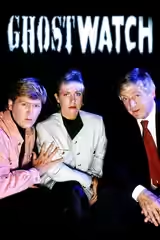
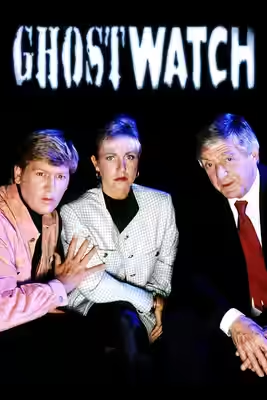
  2. Ghostwatch (1992) · not reviewed yetTelevision’s familiar manners make this excursion into a haunting particularly uncomfortable.

  3. Cure (1997, Fi1m 85)For patient, unnerving horror that makes ordinary conversations feel increasingly unsafe.

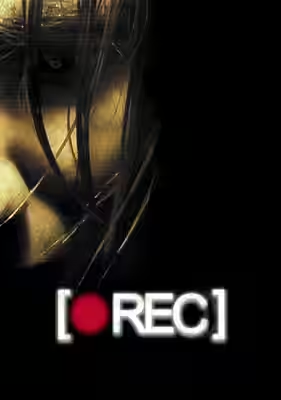
  4. [REC] (2007) · not reviewed yetFor handheld horror with tighter confines and considerably less time to argue.

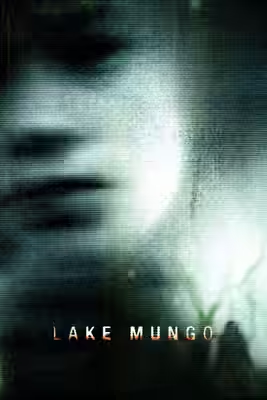
  5. Lake Mungo (2008) · not reviewed yetAnother documentary pretence, with grief making the uncertain images harder to dismiss.

Free account

Know what to watch tonight

Two lists that know where things are streaming, collections you can share, your own score beside ours, and Discover that remembers what you have seen.

  • Want to see, sorted by what is streaming now
  • Seen, with your score out of ten
  • No adverts, ever