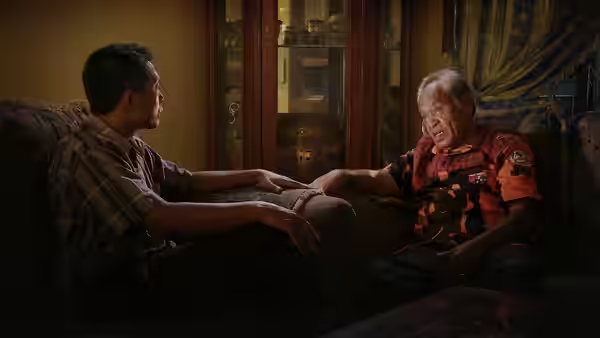
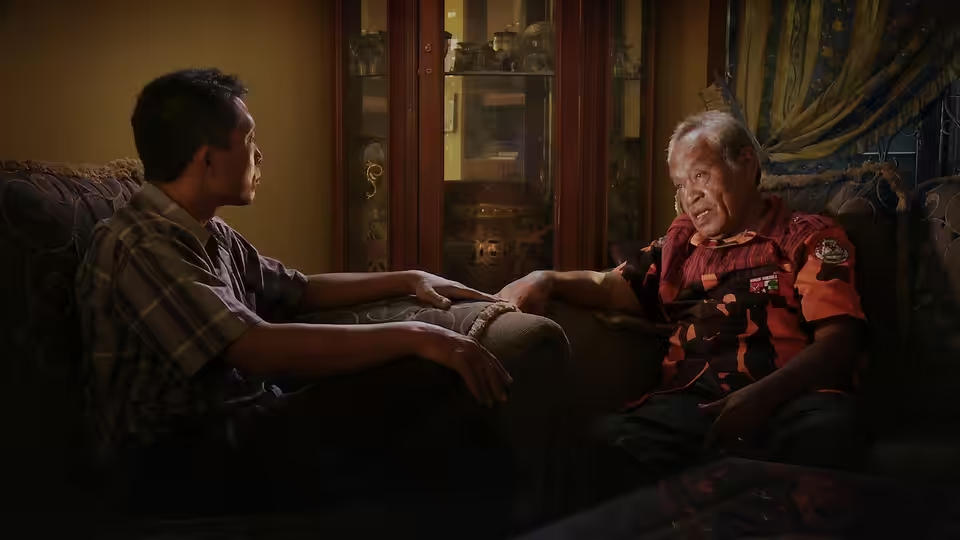
Two men sit on a sofa holding hands in a living room
Film review

The Look of Silence

2014 · Directed by Joshua Oppenheimer · 1h 40m

In a sentenceHe fits the killers with new glasses and not one of them sees any better afterwards

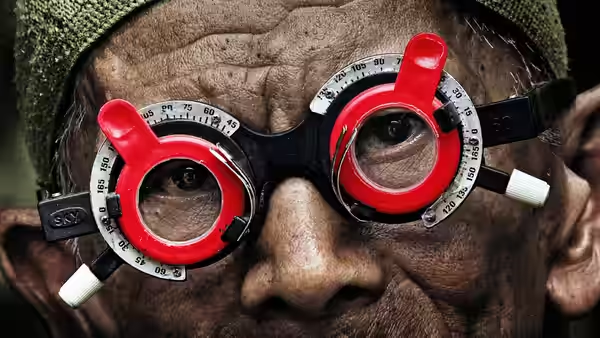
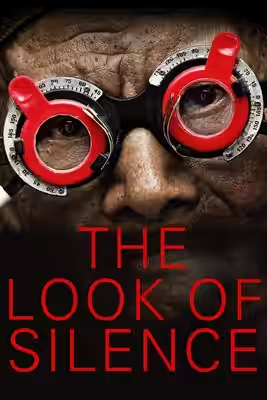
Adi Rukun is an Indonesian optometrist, born after his older brother was killed in the purges of 1965 and 1966, when the army and the civilian gangs it armed murdered people it called communists. His mother names the men responsible; his father, blind and frail, no longer remembers he had another son. Adi watches footage Joshua Oppenheimer shot of the killers boasting, among them Amir Hasan, who appears only in archive footage. Adi visits the old men, carrying a case of lenses and a testing frame, and while they squint at his chart he asks about 1965. Inong and Kemat are among those he sits with. The men expect gratitude, and grow wary when it does not come.

Plays from YouTube when you press play; nothing loads from them until then.

Fi1m review

Oppenheimer’s companion to The Act of Killing sends a quiet optometrist to sit with the men who murdered his brother, and waits. It is calmer than its predecessor and cuts deeper; its patience with one frail old man is hard to watch.

In 1965 and 1966 the Indonesian army and the civilian gangs it armed killed hundreds of thousands of people it called communists. Nobody was tried. Many of the killers are still in their villages, telling the story their own way. Joshua Oppenheimer’s The Act of Killing let a group of those men re-enact what they had done in the style of the films they loved, and watched them enjoy it. The Look of Silence goes to the other side of the same villages. It is the better film: a plain account of living down the road from the man who killed your brother.

Adi Rukun was born after his older brother was murdered. He is an optometrist, and that gives him a reason to knock on doors. He sets up his testing frame, and while the lenses are swapped he asks about 1965. Lars Skree’s camera does not move. It sits at the distance of a second visitor and holds on a face for as long as the answer takes, and usually longer. Oppenheimer’s voice comes from behind the camera now and then, but the questions that matter are Adi’s.

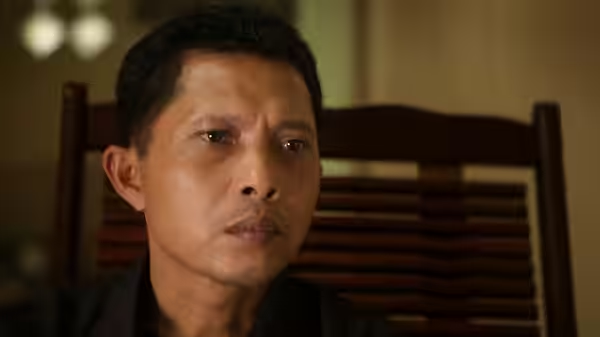
Inong, one of the old men, tells Adi that the killers drank the blood of their victims because otherwise, he says, you went mad. He says it with the frame on his nose, squinting at a chart. We were horrified, and it was not the detail that did it. It was the ease. Then Adi tells him whose brother he is, and the ease goes. The camera stays on Inong while he works out that this visit was never about his eyes, and the face closing, with nothing said, is what the title means.

Between the visits the film goes home. Adi’s mother is small, quick and unforgiving; she names the men and says what she would like done to them. His father is ancient, blind and nearly deaf, and remembers nothing at all. The old man crawls about a house he no longer recognises, calling for help, and the camera does not step in. Some critics have called it exploitative. We think it runs longer than it needs to, and also that it is the film’s truest picture of a history that has been taken away.

Nils Pagh Andersen cuts slowly and rarely. Long stretches go to Adi in front of a television, watching the footage Oppenheimer shot of the killers, saying nothing. Skree films the countryside in a still green quiet, misted paddies, a jar of cocooned beans twitching on a table, and the soundtrack is mostly insects. The music, credited to Seri Banang and Mana Tahan, is used so sparingly that we noticed each time it arrived. An American television report, with Ted Yates on camera, turns up in fragments, and its cheerful narration sits in the film like a stone.

It is not flawless. The eyesight business is a tidy metaphor and Oppenheimer leans on it more than once. The confrontations follow a shape, hospitality, then boasting, then the question, then the shutter coming down, and by the fourth we could see it coming. Amir Siahaan and M.Y. Basrun produce the one defence they all share: they were following orders, and Adi should be careful about opening old wounds. The film lets the threat sit there, which is right. A viewer who has not seen The Act of Killing will be short of context for Amir Hasan, seen only in archive footage, whom Adi watches with the face of a man reading his own family’s death certificate.

This is the quieter film and the harder to shrug off. The Act of Killing had a showman at its centre and a great deal of invention. This has a man in a polo shirt with a case of lenses, and it needs nothing else. It runs 100 minutes and we did not check the time once.

See it, but not as background. It asks you to hold a face for a long while. Do not expect the men to change. They do not, and that is the point.

Critical consensus AI synthesised

84
Positive
24
Mixed
2
Negative
0
Little White Lies
12 June 2015 · 5/5/5 · Sophie Monks Kaufman
100

Oppenheimer's follow-up to The Act of Killing is bloodcurdling and brilliant, a devastating hybrid of intellectual and emotional fearlessness. It singles out the anguished tribute to victims struggling against the erasure of their experiences.

Read the full review →
Time Out
26 August 2014 · ★★★★★ · Joshua Rothkopf
100

This is a superior, powerfully confrontational work that follows The Act of Killing and features the bold presence of victim’s brother Adi. It singles out the real-life potency of Adi’s ruined expressions and defiant questioning during confrontations with perpetrators.

Read the full review →
The AV Club
16 July 2015 · A · A.A. Dowd
95

Describes it as a powerful and vital companion piece that gives voice to survivors through direct confrontations, though less conceptually daring than its predecessor.

Read the full review →
Financial Times
11 June 2015 · Nigel Andrews
90*

The documentary is harrowing and even better than its predecessor, using an inspired method with the optometrist confronting killers to expose ongoing atrocities without authorial outrage. The criminals hang themselves through their own boasts.

Read the full review →
The Guardian
11 June 2015
90*

The film is a stunning follow-up that shifts focus to the victims' families, who confront the killers. It enters the realm of tragedy with remarkable visual beauty and heartbreaking backstory centered on Adi's dignity and his elderly parents.

Read the full review →
The New Yorker
20 July 2015 · Anthony Lane
90*

The film is a simpler and better work than its predecessor, following one man's calm quest for details about his brother's murder and cataloguing the excuses of the guilty amid tense tranquility.

Read the full review →

Straight answers AI written, from our review

Is The Look of Silence worth watching?
The Look of Silence is worth watching for anyone prepared to hold a face on screen for a long time, and we scored it 87. Adi Rukun, an optometrist, sits with the old men who killed his brother in 1965 and asks about it while they squint at his chart. It is calm, slow and hard to shrug off, and the scenes with his blind father run longer than they need to.
How long is The Look of Silence, and what is it rated?
The Look of Silence runs 1h 40m. It is a history and documentary film.
Where can I watch The Look of Silence in the US?
The Look of Silence is available to rent from Apple TV from $3.99. Availability is checked daily; the links above go straight to each service.
How does The Look of Silence compare to The Act of Killing?
The Look of Silence is the quieter and, we think, the better of Joshua Oppenheimer's two films about the Indonesian killings. The Act of Killing has a showman at its centre and lets the killers re-enact their crimes with invention and relish; this one has a man with a case of lenses and no invention at all. See the earlier film first, or the archive footage of Amir Hasan here will lack context.
What should I watch after The Look of Silence?
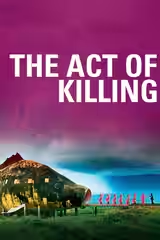
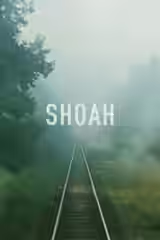
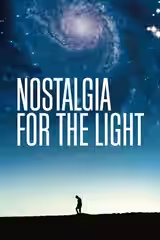
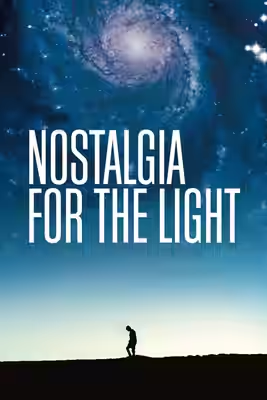
After The Look of Silence, try The Act of Killing (2012, Fi1m 88): Oppenheimer’s first visit to the same killers, louder and stranger, and the necessary other half. Then Shoah (1985, Fi1m 93): Lanzmann’s nine hours of faces and testimony, the model for letting a question hang; and Nostalgia for the Light (2010, Fi1m 83): Chilean women searching the Atacama for bones while astronomers search the sky above them.

Cast

Awards

Academy Awards, 2016

Nominated
Best Documentary Feature Film

European Film Award for Best Documentary, 2015

Nominated
European Film Award for Best Documentary

Jeanne Moreau Prize, 2015

Won
Jeanne Moreau Prize

If you liked this, try…

  1. The Act of Killing (2012, Fi1m 88)Oppenheimer’s first visit to the same killers, louder and stranger, and the necessary other half.

  2. Shoah (1985, Fi1m 93)Lanzmann’s nine hours of faces and testimony, the model for letting a question hang.

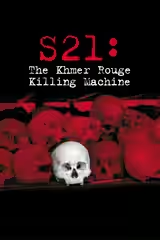
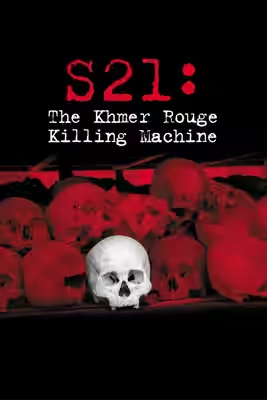
  3. S21: The Khmer Rouge Killing Machine (2003) · not reviewed yetRithy Panh puts Cambodian survivors and their guards in the same prison room.

  4. Nostalgia for the Light (2010, Fi1m 83)Chilean women searching the Atacama for bones while astronomers search the sky above them.

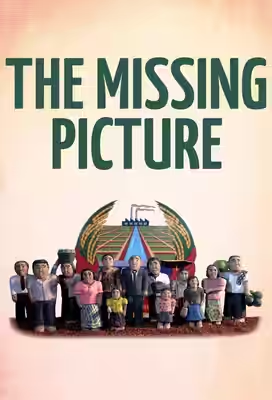
  5. The Missing Picture (2013) · not reviewed yetPanh again, rebuilding a childhood under the Khmer Rouge in clay figures because no footage survived.

Free account

Know what to watch tonight

Two lists that know where things are streaming, collections you can share, your own score beside ours, and Discover that remembers what you have seen.

  • Want to see, sorted by what is streaming now
  • Seen, with your score out of ten
  • No adverts, ever