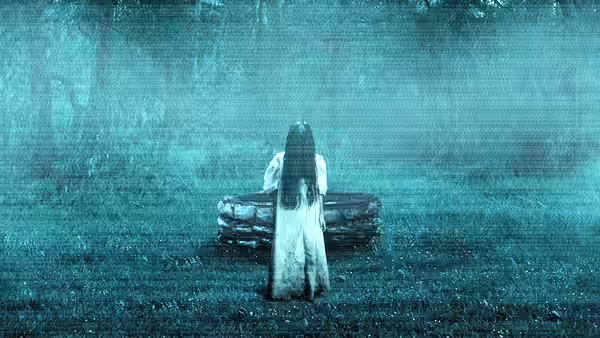
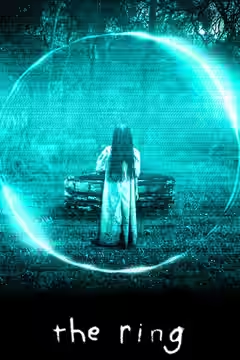
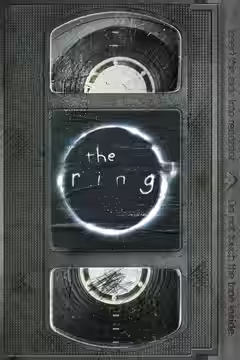
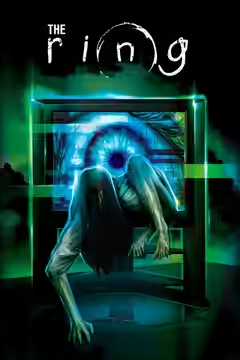
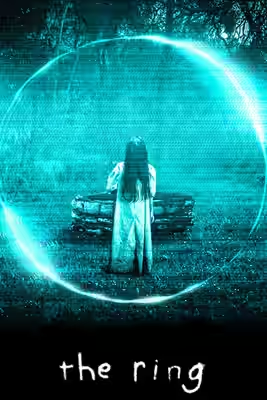
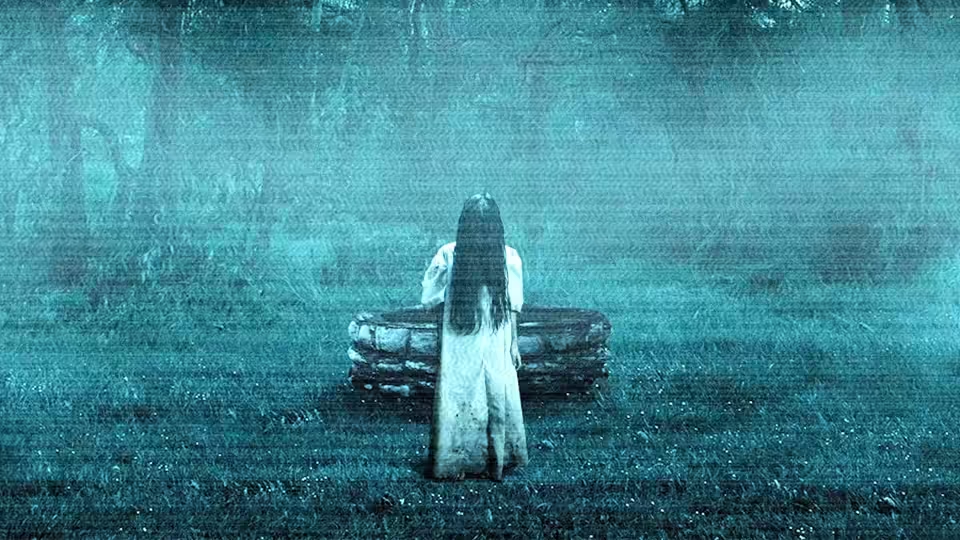
Samara (Daveigh Chase) sitting on a stone well in misty woods
Film review

The Ring

2002 · Directed by Gore Verbinski · 1h 55m · MPA PG-13

In a sentenceA cursed VHS tape, a seven-day deadline, and so much rain the ghost may simply have got damp

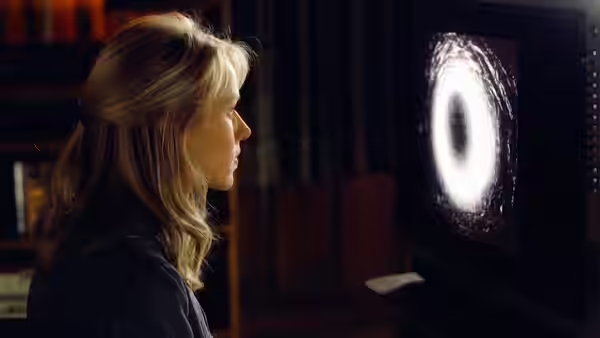
A rain-soaked American city. Teenagers Katie Embry (Amber Tamblyn) and Rebecca Kotler (Rachael Bella) swap a story about a videotape: you watch it, the phone rings, a voice says seven days, and a week later you die. Katie watched it a week ago at a cabin in the mountains. When she dies, her aunt, newspaper reporter Rachel Keller (Naomi Watts), starts asking questions her sister Ruth (Lindsay Frost) would rather she left alone. Rachel finds the tape at the mountain inn where Katie stayed, watches it, and the phone rings. She takes it to Noah Clay (Martin Henderson), a video analyst and the father of her small son Aidan (David Dorfman), and the two of them begin going through it frame by frame with a week on the clock.

Plays from YouTube when you press play; nothing loads from them until then.

Fi1m review

Gore Verbinski’s remake of the Japanese hit is handsomely made and, for about an hour, properly frightening. Then the script starts explaining, and the fear drains out of it a scene at a time. Still worth a dark room and a wet evening.

Gore Verbinski’s remake of Hideo Nakata’s Ringu (1998) keeps the idea whole and moves it to an American city where it never stops raining. A videotape passes from hand to hand. Whoever watches it gets a phone call, a whispered “seven days”, and a week to live. Rachel Keller (Naomi Watts), a newspaper reporter whose niece is one of the dead, tracks the tape to a cabin, watches it, and the phone rings. That is the film, and it is a good one for about an hour. After that the script decides we need to know everything, and each answer takes a little of the fear away with it.

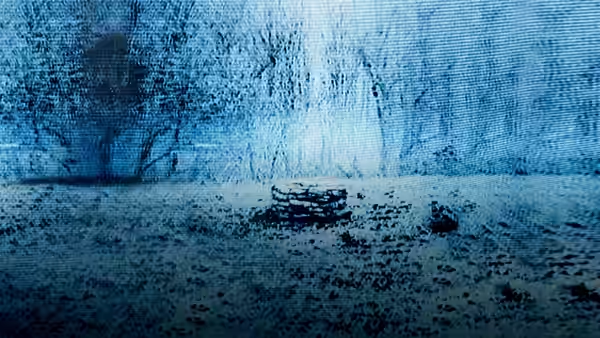
The tape is the best thing in it. Craig Wood cuts it as a run of hard, silent images: a woman combing her hair in a mirror, a ladder against a wall, a chair alone in a field, a fly, a well with a lid sliding across it. It lasts about a minute. We watched it with our shoulders up, and when it stopped and Rachel’s phone rang we jumped. Nothing later in the film frightened us as much, and we think the reason is that the tape does not explain itself. It shows things in the wrong order and leaves the rest to us.

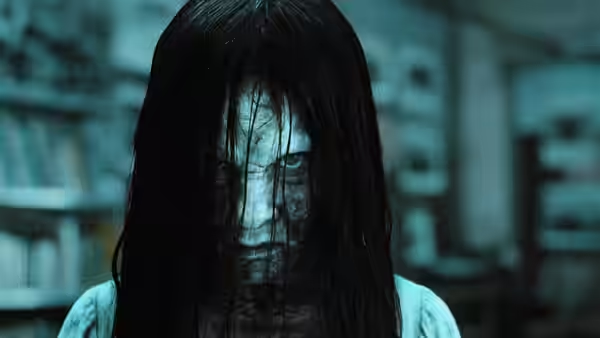
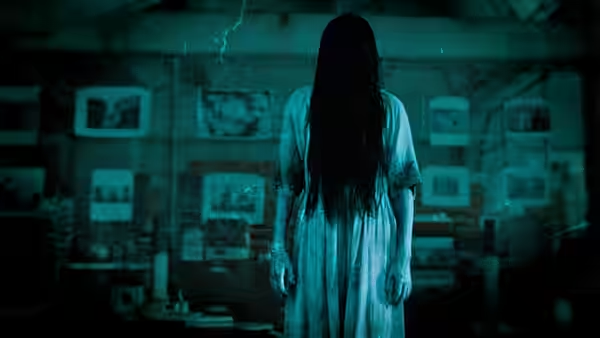
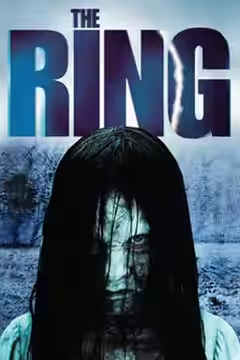
Bojan Bazelli shoots the city in greens and greys, rain on every window, with the only warm light coming from television screens. Tom Duffield’s cabin is knotty pine, a television on a stand and a drawer of unlabelled tapes; Rachel’s flat is small and cluttered and papered with a boy’s drawings. Julie Weiss keeps Watts in dark wool with wet hair for most of the running time and puts Samara Morgan (Daveigh Chase) in a white nightdress with her hair over her face, which is the image most people carry out of the cinema. Hans Zimmer runs a small circling theme, like a music box, under the quiet stretches, and it works. At the shocks he brings the strings in at full weight, and the shocks would have been better without them.

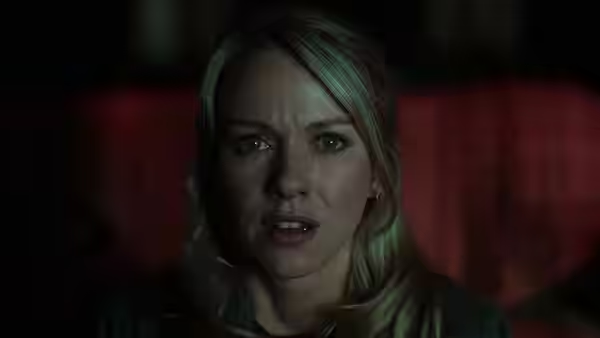
Watts plays Rachel as a woman who was already tired before the curse arrived, a working single mother who forgets to collect her son and is not forgiven for it. David Dorfman’s Aidan calls her Rachel, not Mum, and looks at her the way a doctor looks at a patient; he is the film’s second most unsettling effect and he barely raises his voice. We were more moved than we expected by the early scene in which his teacher (Sandra Thigpen) hands Rachel a pile of his drawings and Watts looks at them and understands, before we do, that she has been looking after the wrong thing. Martin Henderson’s Noah has an easy charm, a job the plot needs and a failing the plot needs, and little else; he is mostly there to be shown things.

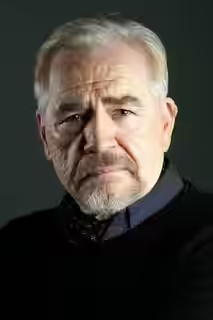
The second half is where the trouble is. The screenplay, credited to Ehren Kruger and Hiroshi Takahashi from Kōji Suzuki’s novel, sends Rachel looking for who made the tape, and the film turns into an investigation: newspaper archives, a doctor (Jane Alexander) who remembers too much, a horse farm on an island, a family history laid out in flashback and old film reels. It is all done carefully, and it is all a mistake. Verbinski also adds computer-generated flourishes, and they look like effects where the tape looked like something a stranger left behind. Brian Cox turns up late as Richard Morgan and gives the film its one scene of properly acted grief.

Nakata trusted his tape and left most of the rest in the dark. Verbinski’s version is better acted, better lit and longer, and it cannot leave a question standing. The first hour is a good ghost story; the second is a competent mystery with a ghost in it, which is a different and lesser thing.

It is a 15 and runs 115 minutes. Watch it with the lights off and the phone in another room. If you still own a videotape without a label, this is not the night to find out what is on it.
Critical consensus AI synthesised

60
Positive
11
Mixed
2
Negative
5
The AV Club
25 October 2002 · B+ · Keith Phipps
83

The critic praises the film as a suspenseful classic ghost story that effectively builds dread through sleight of hand and lingering shots. It ranks alongside The Others for its marriage of big-budget filmmaking with old-fashioned scares, highlighted by Naomi Watts’ strong performance.

Read the full review →
Empire
21 February 2003 · ★★★★ · Mark Dinning
80

The Hollywood remake is a solid if flawed effort that falls short of the Japanese original, particularly in its CG effects and added exposition, but delivers strong suspense and a terrific performance from Naomi Watts.

Read the full review →
Total Film
21 February 2003
80*

Verbinski successfully captures the psychological chills and smart scares of the Japanese original in this rare successful remake, with strong visuals, committed performances especially from Watts, and an unsettling atmosphere that lingers.

Read the full review →
Los Angeles Times
18 October 2002 · Kenneth Turan
70*

The film makes the most of its creepy premise but stops just short of full horror impact. Turan singles out Naomi Watts' strong performance for lending credibility to the strange scenario.

Read the full review →
The New York Times
18 October 2022 · Beatrice Loayza
70*

The 2002 film remains a restrained, atmospheric chiller that taps into ambient anxiety through its cursed videotape concept and eerie imagery. Loayza praises its moody restraint and cultural resonance as a millennial horror touchstone.

Read the full review →
Time Out
10 September 2012 · TJ
70*

The critic notes that while Verbinski's remake respects the original Japanese film, it over-elaborates the story and loses some creepiness compared to the mysterious original, but is still decent enough to recommend seeking out the source material.

Read the full review →

Straight answers AI written, from our review

Is The Ring worth watching?
The Ring is worth watching for anyone who wants a frightening hour in a dark room on a wet night, and we scored it 70. The cursed videotape itself is the best thing in it, a minute of silent, unexplained images that made us jump. After that the script starts answering questions, and the fear leaks out a scene at a time.
How long is The Ring, and what is it rated?
The Ring runs 1h 55m and is rated PG-13 by the MPA in the US. It is a horror and mystery film.
Where can I watch The Ring in the US?
The Ring is streaming on Paramount+, The Roku Channel, Hulu, Amazon Prime Video and Apple TV in the US, and it is also available to rent from Apple TV and Amazon Prime Video from $3.99. Availability is checked daily; the links above go straight to each service.
How violent or frightening is The Ring, and is it suitable for children?
The Ring is a UK 15 and it frightens by suggestion rather than gore: a videotape, a ringing phone, a dead girl with wet hair over her face. It is too unsettling for children, and its most disturbing presence is a small boy who barely raises his voice. Teenagers who can take a hard jump scare will be fine; the squeamish should not worry about blood, only about sleeping.
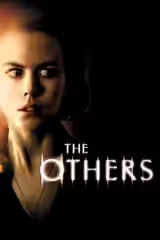
How does The Ring compare to The Others?
The Ring is the louder and jumpier of the two, while The Others is the steadier and, we think, the better ghost story. Verbinski's film has the sharper shocks but spends its second half explaining itself; Amenábar's keeps the curtains drawn and lets the dread build. Choose The Ring for a fright on a wet evening, The Others if you have the patience for a slow one.
Is The Ring based on a true story or a book?
The Ring is not a true story; it is adapted from Kōji Suzuki's novel and is a remake of Hideo Nakata's Japanese film Ringu (1998). Verbinski keeps the central idea whole and moves it to a rain-soaked American city, then adds far more explanation than Nakata allowed. You need know neither the book nor the original to follow it.
What should I watch after The Ring?
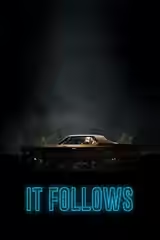
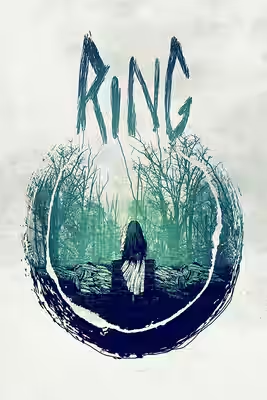
After The Ring, try Ringu (1998, Fi1m 84): Nakata’s original: shorter, stranger, and it never tells you what the well means. Then The Others (2001, Fi1m 80): Kidman in a fogbound house, curtains drawn, an old-fashioned ghost story properly told; and It Follows (2014, Fi1m 84): Another curse you can pass on, shot in wide, patient frames that never blink.

Cast

Awards

MTV Movie Award for Best Villain, 2003

Won
MTV Movie Award for Best Villain

If you liked this, try…

  1. Ringu (1998, Fi1m 84)Nakata’s original: shorter, stranger, and it never tells you what the well means.

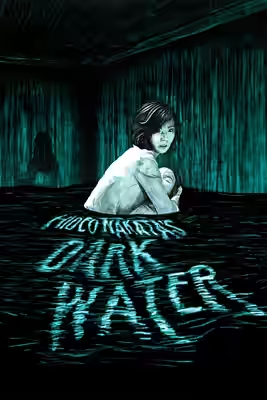
  2. Dark Water (2002) · not reviewed yetNakata again, a leaking ceiling and a mother, sadder than it is frightening.

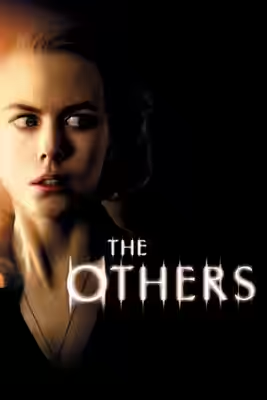
  3. The Others (2001, Fi1m 80)Kidman in a fogbound house, curtains drawn, an old-fashioned ghost story properly told.

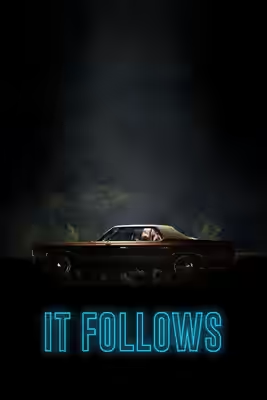
  4. It Follows (2014, Fi1m 84)Another curse you can pass on, shot in wide, patient frames that never blink.

  5. Lake Mungo (2008) · not reviewed yetAustralian mock documentary about a drowned girl; the quietest, saddest haunting we know.

Free account

Know what to watch tonight

Two lists that know where things are streaming, collections you can share, your own score beside ours, and Discover that remembers what you have seen.

  • Want to see, sorted by what is streaming now
  • Seen, with your score out of ten
  • No adverts, ever