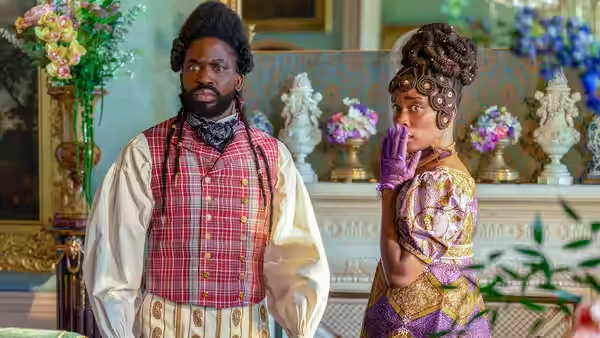
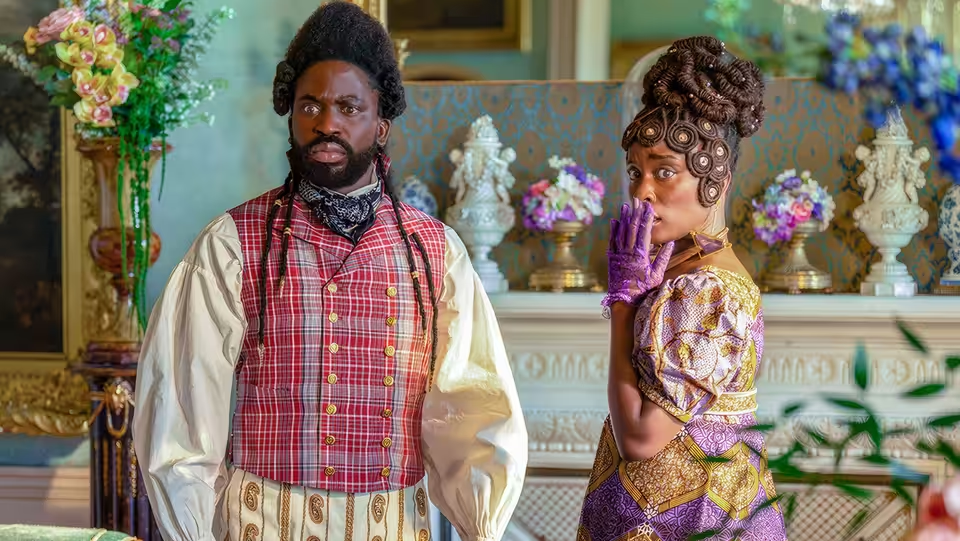
A man in a red plaid vest stands beside a woman in a purple gown
Series review

Dreaming Whilst Black

2021 · Created by Max Evans, Adjani Salmon, Natasha Jatania, Laura Seixas · Series · MPA TV-MA

In a sentenceMaking a film is hard enough without everyone offering helpful thoughts about your race

Adjani Salmon plays Kwabena, an aspiring Black filmmaker trying to pursue his ambitions while dealing with money worries, workplace microaggressions and personal relationships. His hopes of making films bring him up against the industry’s barriers, while romance and the demands of everyday life compete for his attention. The comedy-drama moves between his daily frustrations and surreal daydreams, following his experiences as a Black man in Britain. Dani Moseley plays Amy, Rachel Adedeji plays Funmi, Babirye Bukilwa plays Vanessa and Demmy Ladipo plays Maurice.

Plays from YouTube when you press play; nothing loads from them until then.

Fi1m review

Adjani Salmon gives Dreaming Whilst Black a warmth that survives its sharpest jokes about prejudice and ambition. Some film-industry targets are familiar, but the cast and the romance make this a comedy worth spending time with.

Dreaming Whilst Black takes an aspiring filmmaker seriously without treating his ambitions as everyone else’s emergency. Kwabena, played by Adjani Salmon, wants to make films and has money worries, workplace prejudice and personal relationships to contend with along the way. The comedy is sharp and warm, and we recommend it with a reservation about some familiar industry targets. Its willingness to spend time on the people around Kwabena is a substantial part of the appeal.

Salmon shares the writing credits with Ali Hughes, Yemi Oyefuwa and Thara Popoola, and the scripts keep practical problems in view. Funding worries sit alongside workplace slights, so the difficulty of getting anything made never feels remote. The workplace microaggressions are funny because the comedy notices how much patience they demand of the person receiving them. We laughed at those small slights, then felt cross on Kwabena’s behalf. Having to deal with them while trying to earn a living makes his frustration easy to share.

Directors Joelle Mae David, Koby Adom, Sebastian Thiel and Jermain Julien have a useful comic device in the surreal daydream sequences. The switches between fantasy and everyday life let us see how Kwabena thinks, and bring some variety to the familiar business of being frustrated at work. They also let the programme interrupt the ordinary rhythm of a workplace comedy without abandoning the troubles that make it recognisable. The humour survives the return to reality, where money and other people still need dealing with.

Salmon’s charm does a good deal of work here, though it never makes the obstacles seem trivial. A struggling filmmaker is hardly a new television proposition, but he makes Kwabena someone worth spending an evening with even when his troubles are predictable. The romance helps, giving us something to care about beyond a possible professional breakthrough. These scenes could have felt like pauses between the jokes about prejudice, but the chemistry makes us happy to stay with them.

Dani Moseley’s Amy, Rachel Adedeji’s Funmi and Babirye Bukilwa’s Vanessa matter to that sense of a life beyond work. The women have stories of their own, and the series gives them attention that a comedy organised around one man’s ambitions might easily withhold. Their presence keeps the conversations from circling back endlessly to whether Kwabena will get his chance. The ease between the actors helps the cultural conversations feel at home alongside the jokes and the romance.

The film-industry satire is less consistently inventive. Prejudice and funding trouble provide worthy targets, but a few jokes settle for pointing out a problem we have already understood. Salmon and his fellow writers get more out of letting the people around Kwabena pursue their own concerns. There is enough warmth and oddness here to keep a comedy about getting a break from feeling like a long complaint. Watch it for the company, and allow the occasional obvious target.

Critical consensus AI synthesised

86
Positive
6
Mixed
0
Negative
0
Evening Standard
7 August 2023 · Precious Adesina
90*

The review describes the series as funny, engaging and incredibly Black, noting that its jokes and anecdotes ring true to Black experiences. It singles out the central roles given to Black women characters and their fully realised stories.

Read the full review →
The Guardian
24 July 2023
90*

The critic praises the series as a hilarious and inventive sitcom that feels fresh and new by ripping up comedy formulas. It singles out the surreal daydream sequences and cameos for adding liveliness and imagination to its exploration of ambition, race and class.

Read the full review →
The Times
24 July 2023 · ★★★★☆ · Carol Midgley
90*

The critic finds it a fresh and funny new voice with a clever comedy about an aspiring filmmaker facing funding difficulties and microaggressions. It singles out the witty catalogue of micro-prejudices and the switch between fantasy and reality.

Read the full review →
The Hollywood Reporter
9 September 2023 · Angie Han
85*

The critic calls the series smart, distinctive, and very funny, highlighting its observant take on an aspiring Black filmmaker navigating industry barriers, microaggressions, finances, and personal relationships. They single out the warm cast chemistry and wry, confident comic voice that makes the exhausting realities feel celebratory rather than a drag.

Read the full review →
Radio Times
24 July 2023 · ★★★★ · Morgan Cormack
80

The critic praises the series for delivering effortless humor, authentic cultural conversations, and sweet romance while building on the 2021 pilot. They single out the strong writing, cast chemistry, and skillful blend of comedy with insights into Black British experiences and workplace microaggressions.

Read the full review →
The Telegraph
24 July 2023 · ★★★★
80

The review calls the series a refreshingly nimble and nimble-witted comedy that balances serious points about discrimination with humour and heart. It highlights Salmon’s charismatic performance and the show’s different take on the black British experience.

Read the full review →

Straight answers AI written, from our review

Is Dreaming Whilst Black worth watching?
Dreaming Whilst Black is worth watching for anyone who likes a comedy with warmth as well as bite, and we scored it 81. Adjani Salmon makes an aspiring filmmaker good company, and the women around him have stories of their own. Some jokes about the film industry settle for pointing out a problem you have already grasped.
How long is Dreaming Whilst Black, and what is it rated?
Dreaming Whilst Black is rated TV-MA by the MPA in the US. It is a comedy and drama series.
Where can I watch Dreaming Whilst Black in the US?
Dreaming Whilst Black is streaming on Paramount+, Apple TV, The Roku Channel, Hulu and Amazon Prime Video in the US, and it is also available to buy from Apple TV and Amazon Prime Video. Availability is checked daily; the links above go straight to each service.
How violent or frightening is Dreaming Whilst Black, and is it suitable for children?
Dreaming Whilst Black is not violent or frightening; it is a comedy-drama about work, money and romance, rated TV-MA in the United States with no UK certificate. The adult rating reflects language and grown-up themes rather than anything alarming. It suits teenagers and adults, and the workplace prejudice it depicts may sting more than it shocks.
How does Dreaming Whilst Black compare to We Are Lady Parts?
Dreaming Whilst Black is the warmer and more grounded of the two, following one aspiring filmmaker through money worries and workplace slights, while We Are Lady Parts is quicker, ruder and built around a band. Both earn their laughs from an ensemble whose company is the point. Choose Dreaming Whilst Black for romance and everyday frustration, We Are Lady Parts for songs and speed.
What should I watch after Dreaming Whilst Black?
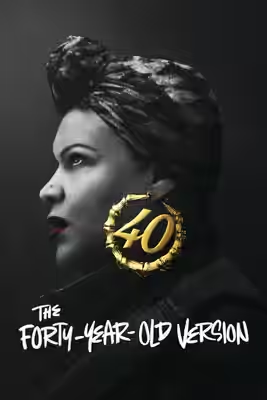
After Dreaming Whilst Black, try The Forty-Year-Old Version (2020, Fi1m 80): Another artist negotiating money, compromise and the inconvenience of other people. Then We Are Lady Parts (2021, Fi1m 80): Creative ambition, cultural expectations and an ensemble whose company earns the laughs; and Sorry to Bother You (2018, Fi1m 81): Workplace racism and financial pressure push another comedy towards stranger territory.

Cast

If you liked this, try…

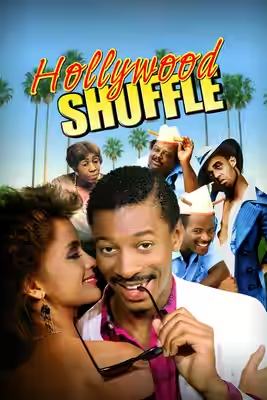
  1. Hollywood Shuffle (1987) · not reviewed yetA Black actor’s ambitions meet an industry with painfully limited ideas.

  2. The Forty-Year-Old Version (2020, Fi1m 80)Another artist negotiating money, compromise and the inconvenience of other people.

  3. We Are Lady Parts (2021, Fi1m 80)Creative ambition, cultural expectations and an ensemble whose company earns the laughs.

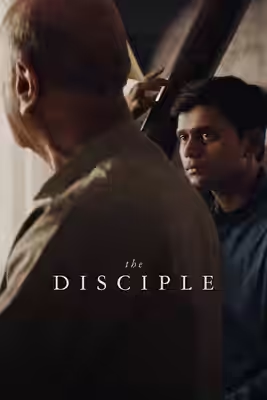
  4. The Disciple (2020) · not reviewed yetA quieter, sterner look at artistic ambition and the cost of persistence.

  5. Sorry to Bother You (2018, Fi1m 81)Workplace racism and financial pressure push another comedy towards stranger territory.

Free account

Know what to watch tonight

Two lists that know where things are streaming, collections you can share, your own score beside ours, and Discover that remembers what you have seen.

  • Want to see, sorted by what is streaming now
  • Seen, with your score out of ten
  • No adverts, ever