Nick Paley’s Phony is a likeable but uneven mystery-comedy, helped by Sam Nivola and Grace Brennan. An underwritten mother-son relationship weakens a puzzle that needs more than a good premise.
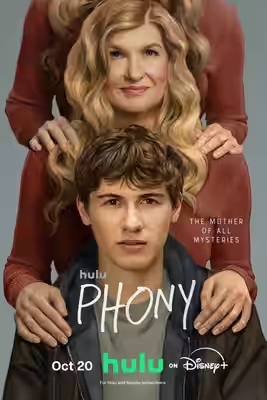
Nick Paley’s Phony is a decent, uneven series whose teenage comedy provides the strongest reason to give it a chance. Bringing a lookalike puzzle into a mother-son story offers plenty of scope for suspicion, embarrassment and the ordinary difficulty of understanding another person. Paley gives the young characters enough believable conversation to make their company worthwhile. The family relationship needs more attention, though, and the mystery sometimes occupies time that would be better spent getting to know Ellen and Sonny.
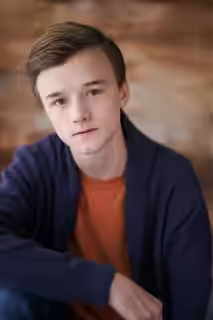
Sam Nivola’s Sonny is the main attraction. His nervousness has a sweetness that keeps the character from becoming merely an awkward teenager waiting for the plot to give him something to do. We warmed to him: Nivola makes his uncertainty recognisable without turning it into an extended appeal for sympathy. There is enough feeling in the performance to make the thinness of the relationships frustrating, because we have already become interested in the person trying to navigate them.
Grace Brennan, as Mallory, helps make the teenage material convincing. Paley’s dialogue gives the younger cast a credible way of speaking, and the actors do not strain to advertise how natural they are being. These exchanges have enough personality to hold our attention without needing the mystery to make them important. Some relationships remain sketchy, however, which wastes an opportunity when the performers have already made a case for spending more time with them.
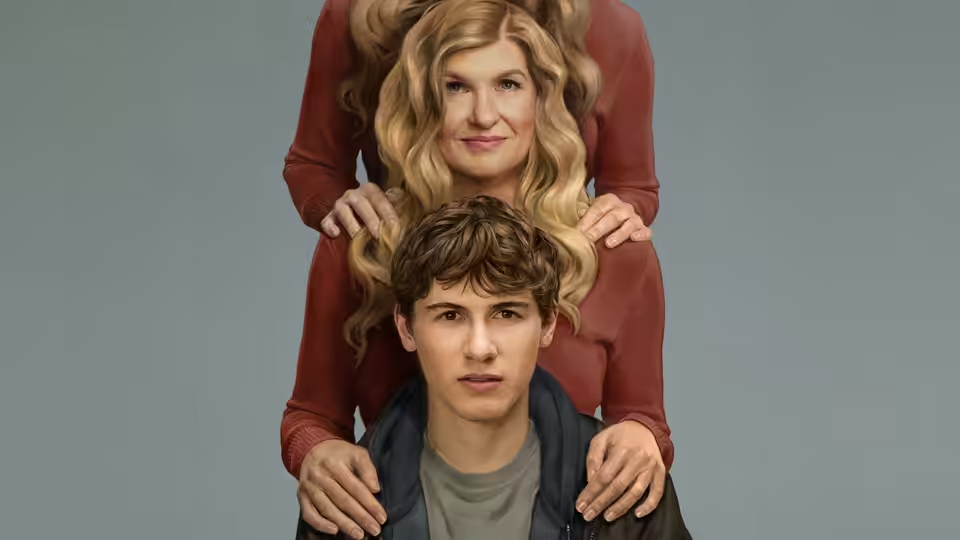
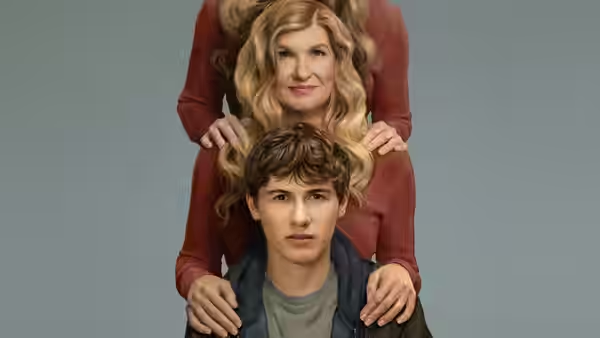
Connie Britton has a more awkward assignment as Ellen. The altered appearance and voice contribute to the uncertainty surrounding her, but they also restrict an expressive actor just when the programme needs us to become interested in a mother as a person. The make-up is accomplished, although admiring the transformation does not bring us much closer to Ellen. Britton sustains the ambiguity well enough. Paley’s writing gives the mother-son bond too little substance to make that ambiguity as troubling as it ought to be.
Meera Syal’s Sharla supplies welcome dry humour, particularly useful in a series whose mystery cannot sustain the same interest throughout. The pacing is often brisk, but there is a lull where curiosity gives way to waiting, with too little development in the relationships to compensate. Moving quickly through a subplot can keep it from becoming tiresome without making it feel complete. Several supporting strands need more attention, and the eight-episode season still finds room to lose momentum. The cast do much of the work of keeping us interested through that unevenness.
A doppelganger story needs some understanding of the people involved if their resemblance is going to matter beyond the initial curiosity. The family ought to be familiar enough for uncertainty about it to feel disturbing. Here, the central relationship has been given too little room, so the puzzle has to supply much of the interest by itself. The series raises questions about identity without developing them far enough to compensate for that missing closeness.
There is enough here to warrant a look if the teenage comedy is the attraction. We would keep expectations modest about the family drama, and allow the young cast time to make their case. For an evening where the pleasure depends on a tightly worked investigation, we would look elsewhere.