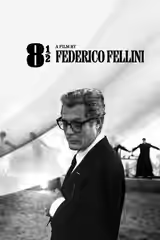
Most critics agree this is one of Fellini’s best films and the definitive portrait of a director who cannot get his next picture started. The praise clusters on the dream sequences and on the way the film slides between memory, fantasy and what is happening on set, with the opening and the harem daydream named more than once. Gianni Di Venanzo’s black-and-white photography and Nino Rota’s score are singled out repeatedly, as is Marcello Mastroianni’s performance as the blocked director.
The spread is narrow, with fifteen positive reviews and a single mixed one. The reservations are mostly historical. The New York Times, reviewing in 1963, finds the ending a letdown, and The Hollywood Reporter of the same year doubts its appeal beyond art houses. The Independent, in 1993, calls it dated but fitfully arresting. Even admirers concede it is self-indulgent and divisive, though most count that as part of its point.