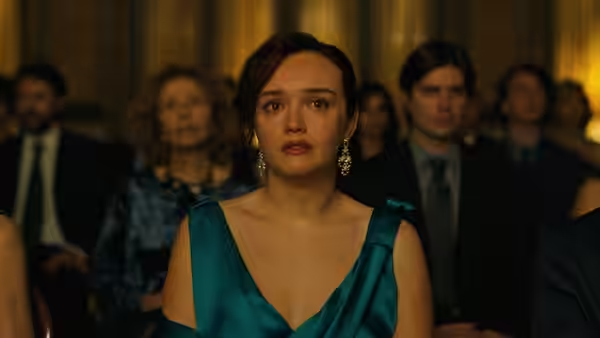
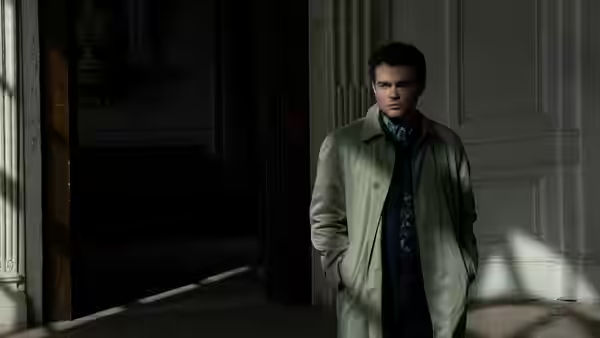
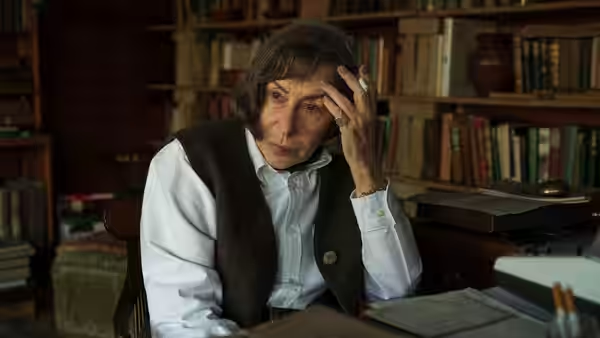
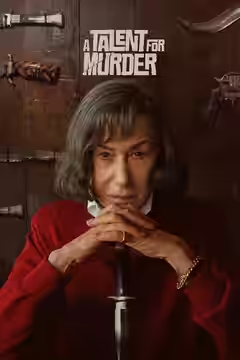
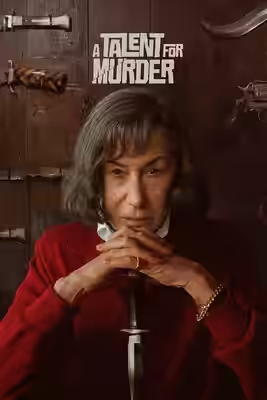
Helen Mirren and Alden Ehrenreich make Anton Corbijn’s crime drama worth considering for their sparring. The plotting is less persuasive, and the film struggles whenever it asks us to care as much about anything else.
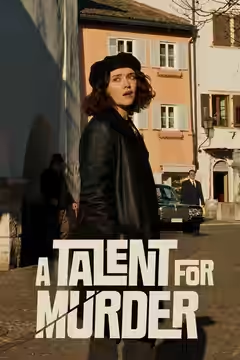
A Talent for Murder is a decent chamber thriller whose leading actors make a stronger impression than its plotting. Anton Corbijn builds it around the contest between Patricia Highsmith and Edward Ridgeway, with the promise that clever conversation might become something dangerous. The pleasure is in hearing two people test each other without either conceding much. The disappointment is that Joanna Murray-Smith’s screenplay does not consistently make their contest as unsettling as it needs to be.
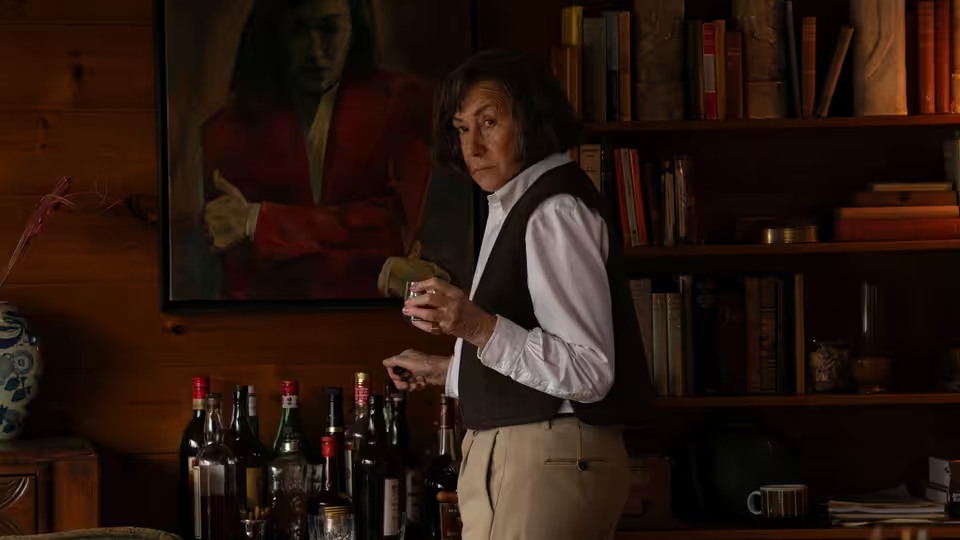
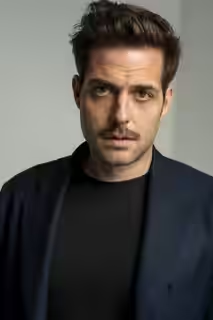
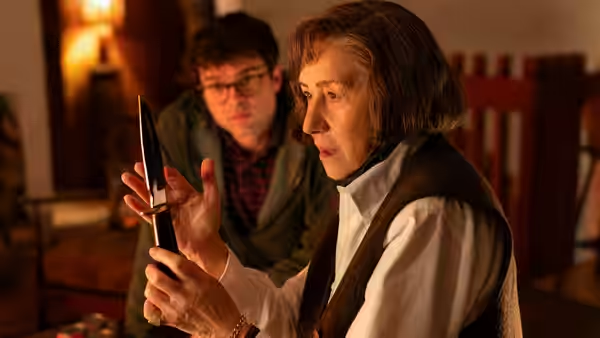
Helen Mirren gives Patricia Highsmith a prickliness that keeps those exchanges lively, without needing to make her agreeable. Alden Ehrenreich is a useful opponent because his performance allows uncertainty into the conversation; he gives us something to consider beyond the pleasure of watching the more forceful personality speak. We enjoyed their sparring, because neither performance lets the other settle into an easy rhythm. Together they make the talk worth attending to, even when the mystery itself is less compelling.
The problem comes when the film moves away from them. Andrew Hulme’s editing cannot keep those departures from feeling like interruptions, and the pace suffers without the two leads sustaining it. Expanding a tightly focused drama can be worthwhile, but here it too often means waiting for the next encounter that matters. At 106 minutes, the film is not especially long; it simply gives us too much opportunity to notice which parts we prefer.
Robbie Ryan’s cinematography gives the film the elegance this sort of civilised menace requires, although the polish can soften the threat. Dimitri Capuani’s production design contributes to that cultivated appearance, without making the surrounding world as involving as the central confrontation. The look does useful work when the film makes fact and fiction difficult to distinguish. Elsewhere, the handsome presentation leaves the stiffness of the staging rather exposed, with conversation carrying more than the images.
That theatrical quality need not be fatal to a chamber thriller. A sustained exchange can hold our attention if the people speaking have enough to lose, or enough malice to make the next line matter. Here, Joanna Murray-Smith supplies cleverness more reliably than cruelty, and the dialogue does not always justify the attention the staging gives it. The scenes need a stronger sense that someone’s cleverness might cause lasting damage.
The larger mystery never generates enough anxiety to sustain its complications. Turning a crime writer into the subject of a crime drama offers plenty of opportunities for games with storytelling, but those games still need consequences. The uncertainty about fact and fiction keeps the film busy. It does not reliably deepen our concern for the people caught up in it, and some of the expected surprise goes missing.
For admirers of talkative crime dramas, this is worth considering with modest expectations of the plotting. Patience with theatrical staging will help, as will an appetite for difficult company. Choose it for Helen Mirren and Alden Ehrenreich, rather than for a mystery that will keep you up afterwards.