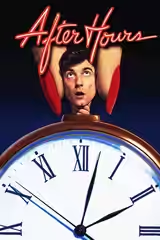
Most critics like After Hours a good deal and agree on what it is: a black comedy that turns one night in downtown Manhattan into a nightmare and mines the panic for laughs. The praise settles on Scorsese’s control of tone, building a bad situation step by step until the laughter turns uneasy, and on Michael Ballhaus’s restless camerawork, the sharp editing and Joseph Minion’s oddly observed screenplay. Griffin Dunne’s office drone is widely taken as the right sort of everyman, more reactive than heroic.
The spread is wide. Both negative notices come from New York in 1985: The New Yorker finds the film sags into a random string of events with little underneath, and The New York Times calls it an entertaining but incoherent tease, admiring Ballhaus and not much else. Time Out notes an undercurrent of misogyny that sours the fun. Later reviews run warmer than the original ones, several arguing the comedy has receded with age and the strangeness has grown.