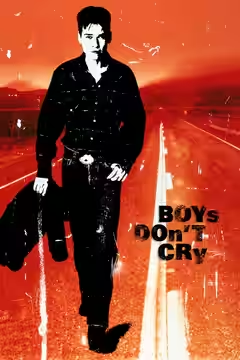
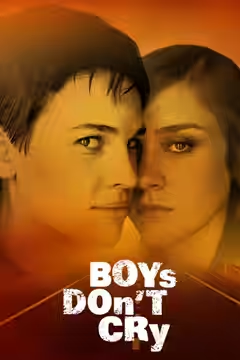
Kimberly Peirce’s drama is painful and worth seeing, chiefly for Hilary Swank and Chloë Sevigny’s convincing romance. Some supporting characters remain thin, and the pacing slips, but its tenderness gives us a reason to stay.
Kimberly Peirce’s Boys Don’t Cry is a deeply affecting romance, and a difficult film to recommend casually. We recommend it, with a clear warning about the violence and the distress it causes. True-story crime dramas can become so occupied with the danger that the person at their centre barely gets a life. Peirce and co-writer Andy Bienen keep Brandon Teena’s desire for love in view. They make us care about what he wants before asking us to fear for him.
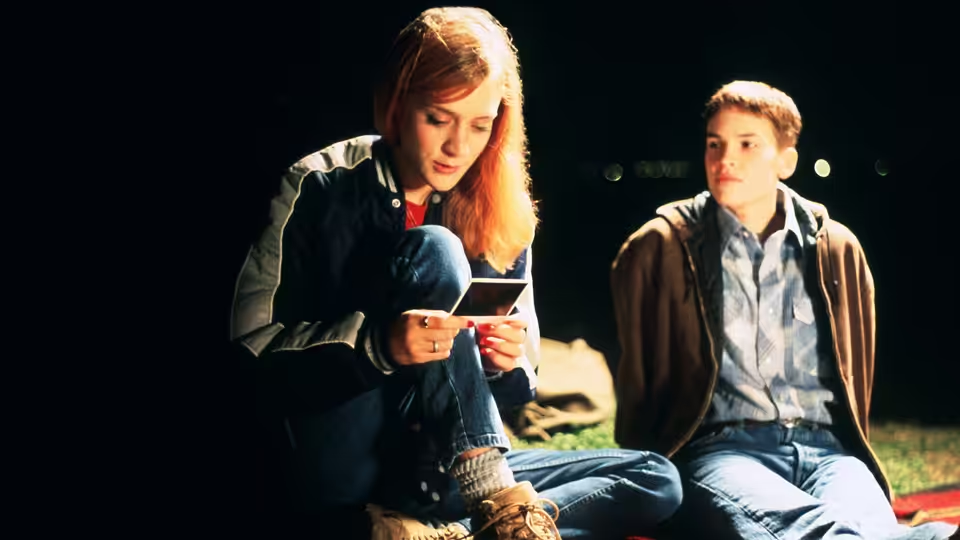
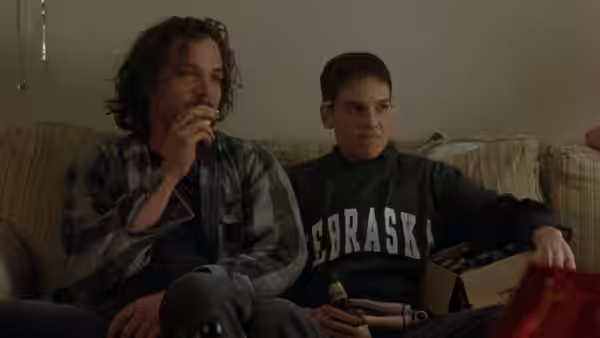
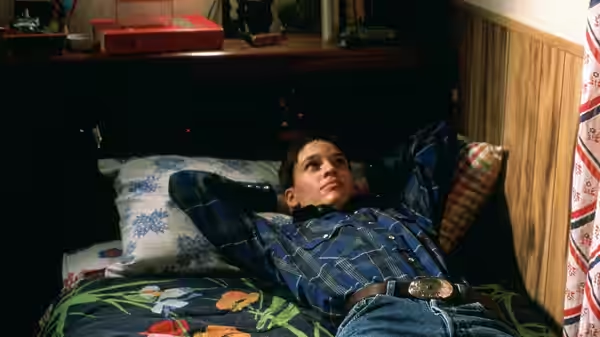
Hilary Swank plays Brandon with an eagerness that makes his wish to belong clear. The bravado never entirely conceals the need for a welcome, and the performance makes us understand how much can depend on getting one. There is a restless pleasure in her acting that gives the film life whenever it threatens to settle into grimness. Brandon wants things, takes chances and enjoys himself; Swank makes space for all of that.
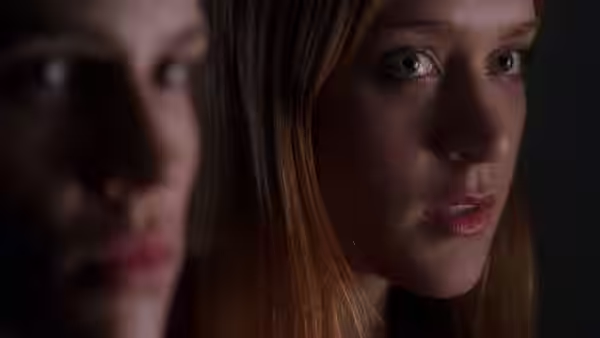
Chloë Sevigny gives Lana Tisdel enough independence to make her interest in Brandon convincing. She seems curious about him, attentive to him, and capable of deciding what she wants without seeking permission. We were moved by the attention Lana gives Brandon, because Sevigny makes being listened to feel like something he has needed for a long time. Their scenes together let us stop worrying for a while. We believe there is something here that Brandon could build a life around.
Jim Denault’s cinematography and Michael Shaw’s production design give the small-town setting a credibility that the performances need. The surroundings feel constricted without making the people who live there look like exhibits. Denault allows tenderness into the harshness, while Shaw avoids making poverty picturesque. Nathan Larson’s music supports the emotional closeness without overwhelming the actors. These are unobtrusive contributions, but they help Peirce keep our attention on Brandon and Lana when the crime-story elements threaten to take over.
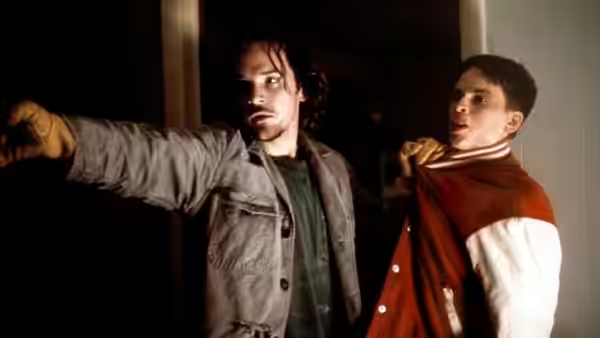
The supporting characters are less fully developed, and this is where Peirce and Bienen’s screenplay feels thin. Peter Sarsgaard’s John Lotter and Brendan Sexton III’s Tom Nissen make forceful impressions, but the writing gives us less understanding of them than we need. More background would help us understand this community beyond its capacity to hurt Brandon. Peirce avoids easy contempt for the place, which makes those gaps frustrating: there are people here we would like to understand better.
Tracy Granger and Lee Percy’s editing keeps the central relationship clear, though the 118-minute running time is a little generous. Some stretches prolong the unease after we have understood it, and the strain begins to dull our attention. The film does not need to be hurried, particularly when time spent with its lovers is so valuable. A few firmer cuts elsewhere would have helped those quieter passages retain their force.
The 18 certificate deserves to be taken seriously. The love story is no assurance of an easy evening, and the violence is distressing even when the film’s sympathies are clear. Give it an evening to itself, with some time afterwards before the next thing needs doing.