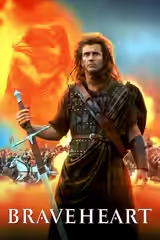
Most critics come down in favour, and almost all of them, dissenters included, agree on where the film works: the battles. The massing of men and horses, the stunt and second-unit work and the sheer bloodiness are praised across the board, and several reviews treat it as one of the last large-scale historical epics staged without digital help. Gibson the star draws nearly as much approval as Gibson the director; his Wallace is called charismatic and likeable, and The New Yorker picks out Catherine McCormack’s Murron for a dignity the villains lack.
The spread is wide. Reservations cluster on the writing: hokey dialogue, hiss-the-English villainy, stereotypes and a loose hand with history. Admirers wave this away as the price of legend; the negative reviews treat it as the whole problem, with the Los Angeles Times finding no interest in the war’s other side and Slant Magazine mocking the Christ symbolism. Later reappraisals sit in the middle, calling it silly and overlong but more durable than expected.