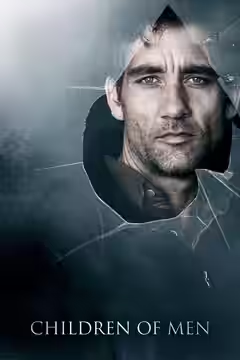
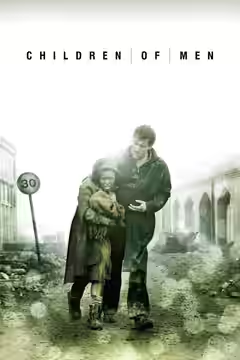
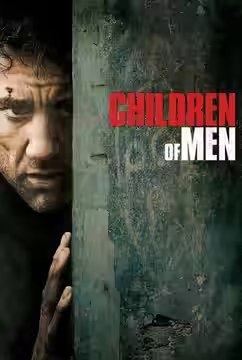
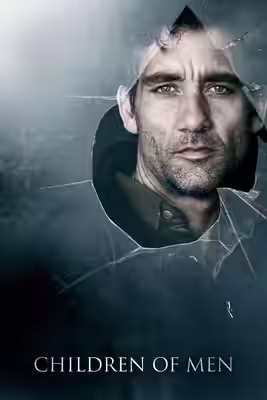
Alfonso Cuarón’s near-future thriller is a dystopia that looks like the news, and its long unbroken takes are as frightening as anything in the genre. The people are thinner than the world around them, which keeps it just short of the top.
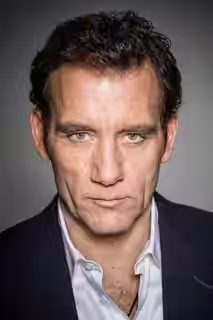
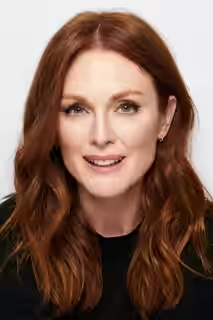
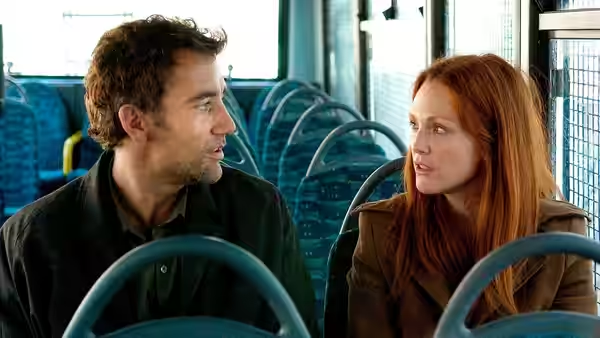
Alfonso Cuarón takes P. D. James’s novel about a Britain in which no child has been born for eighteen years and turns it into a chase. The year is 2027. Theo Faron (Clive Owen), a civil servant who drinks, is dragged back into the life of his former wife Julian (Julianne Moore) and asked to move a young woman across the country. Why she matters becomes clear early, and we will leave it there. The film runs 109 minutes, carries a 15, and moves as if something behind it were on fire.
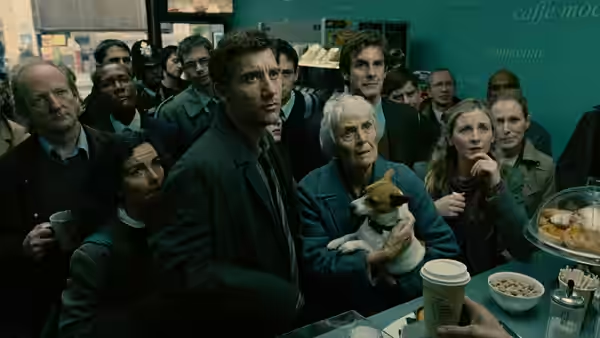
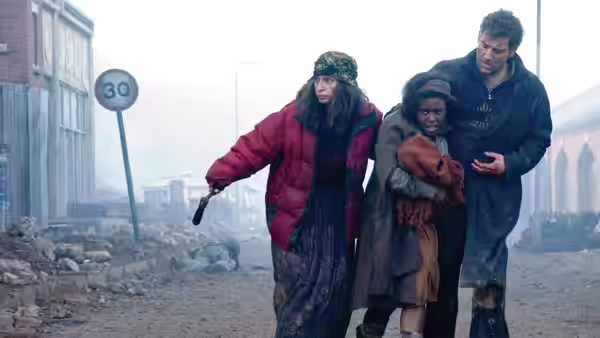
The world is the achievement. Geoffrey Kirkland and Jim Clay build a London that is recognisably ours with the paint gone: rubbish burning in the road, rickshaws, refugees in cages on the pavement, government adverts for a suicide kit sold over the counter. Nothing is explained by a caption. Jany Temime puts Theo in a coat that looks slept in and the rebels in the hoodies of any bus shelter. We believed all of it, which is the first job of a film like this and the one most of them fail.
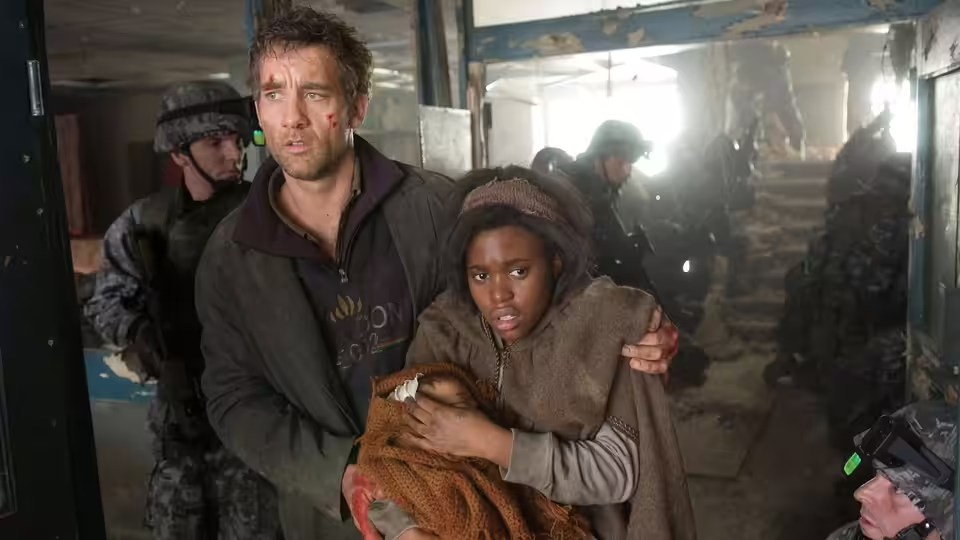
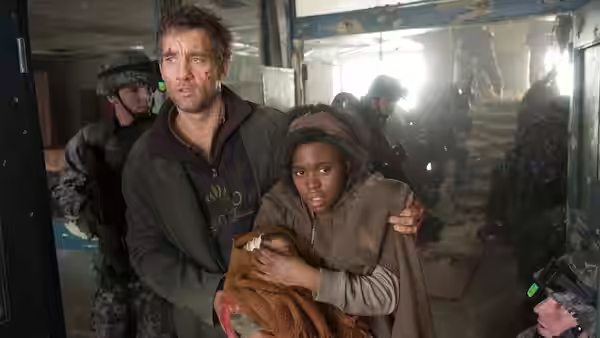
Emmanuel Lubezki shoots it handheld in grey and green, with lenses that catch the flare of every bulb, and he lets scenes run unbroken for minutes. The ambush on a country road, taken in what appears to be a single shot from inside the car, is the most frightening sequence we have seen in a science fiction film in years: a burning car rolls down a hill towards the windscreen, motorbikes arrive, and the camera stays in the back seat because that is where we would be. We were gripped, and then we were shaking. Later a long walk through a refugee camp under fire does the same thing at greater length, with blood on the lens that nobody wipes off.
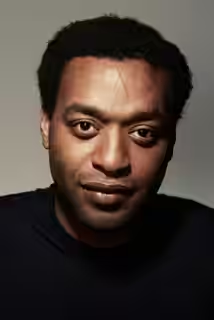
Some critics have called these takes a stunt. We disagree. Watching them, we were not thinking about how it was done; we were looking for the exit. What is thin is not the filming but the people in it. The screenplay, credited to Cuarón, Timothy J. Sexton, David Arata, Mark Fergus and Hawk Ostby, passes Theo from one guardian to the next like a parcel, and Kee (Clare-Hope Ashitey) is asked to be the future of the species rather than a young woman, which is a hard part and the script gives her little help. Chiwetel Ejiofor’s Luke gets one good speech and not much else.
Owen is the right man. He plays Theo as someone who stopped caring years ago and resents being made to start again, and he does it without a single scene of visible decision. Michael Caine’s Jasper, an old cartoonist in a cottage in the woods with a jar of cannabis and a wife who no longer speaks, is the warmth the film has, and Caine plays him without asking to be liked. Pam Ferris’s Miriam, a former midwife, and Peter Mullan’s Syd, a camp guard who talks about himself in the third person, are two small performances that stay with you.
John Tavener’s choral music is used sparingly and then, near the end, is not, and the last stretch leans on it harder than it needs to. Cuarón and Alex Rodríguez cut to the pace of a man being chased, and the one scene that stops for exposition, at Jasper’s kitchen table, tells us more than we needed and less than the pictures already had. And yet there is a moment late on that undid us completely, and we will not describe it. We had not expected to cry at a film this cold, and we did.
Against the genre it stands high. Most dystopias build a world to admire; this one builds a world to get out of, and the getting out is the film. See it in a cinema if you can, with the sound up, and do not read anything about the last half hour.