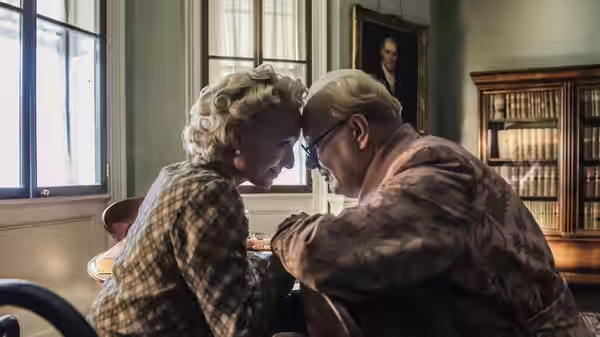
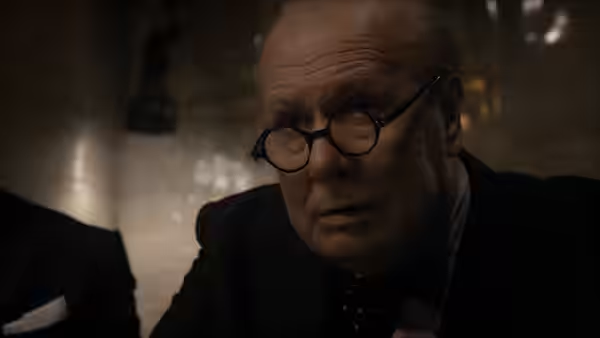
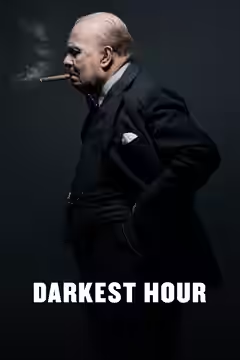
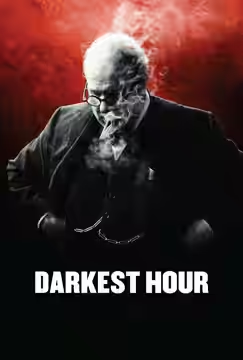
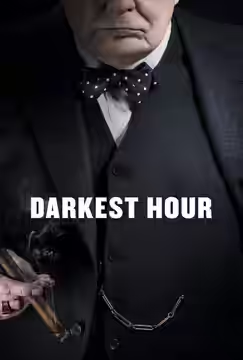
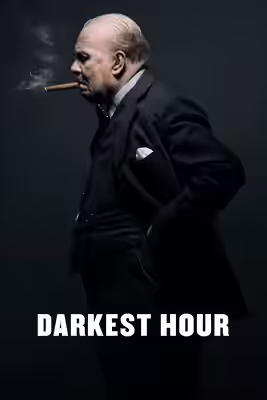
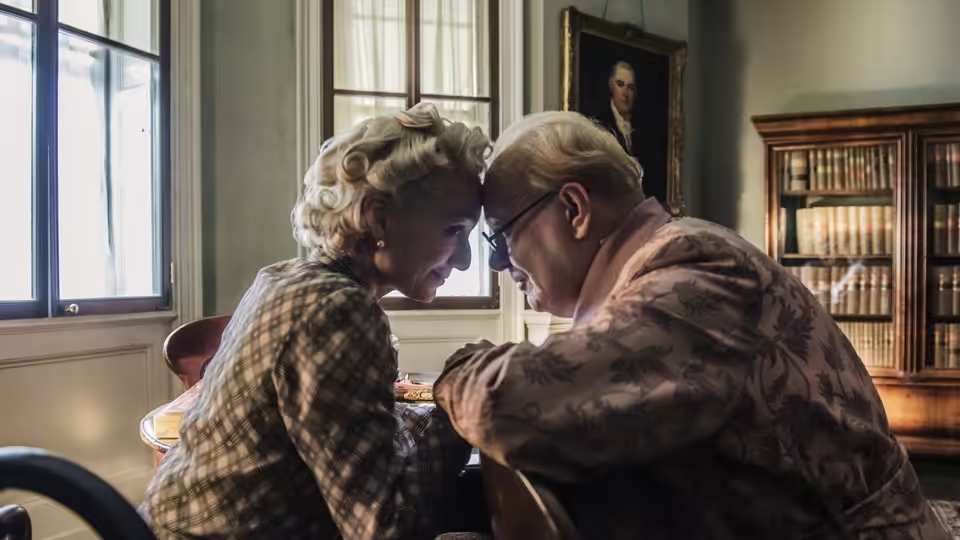
Winston Churchill and Clemmie touching foreheads in a book-lined room
Film review

Darkest Hour

2017 · Directed by Joe Wright · 2h 05m · MPA PG-13

In a sentenceGary Oldman argues with a room full of pale grey men and wins the same argument six times

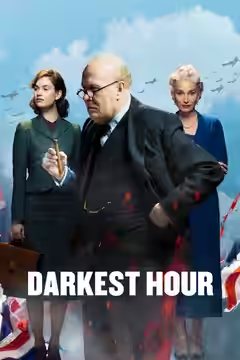
London, May 1940. Neville Chamberlain (Ronald Pickup) has lost the confidence of the House of Commons and must go. Viscount Halifax (Stephen Dillane) declines the job, and the only man both parties will accept is Winston Churchill (Gary Oldman), distrusted by his own side and by King George VI (Ben Mendelsohn). Churchill takes office from his bed, dictating to a new typist, Elizabeth Layton (Lily James), while his wife Clemmie (Kristin Scott Thomas) tells him to mind his temper. Across the Channel the German army is cutting through France and the British Expeditionary Force is falling back on the coast at Dunkirk. In the war cabinet, Halifax and Chamberlain press for peace talks through Italy; Churchill wants to fight, and has not yet worked out how to say so to the country.

Plays from YouTube when you press play; nothing loads from them until then.

Fi1m review

Gary Oldman’s Churchill is cruel, funny, frightened and impossible to look away from, and Joe Wright keeps two hours of talk moving. But Anthony McCarten’s script makes the same point six times and never once asks whether the great man might be wrong.

Joe Wright’s film covers about three weeks of May 1940, from the night Neville Chamberlain loses the confidence of the Commons to the day Winston Churchill tells the House that Britain will fight on the beaches. Anthony McCarten’s script keeps the war offstage and the argument indoors: will the new Prime Minister hold his nerve while the men around him press him to ask for terms? The performance at its centre is better than the script it serves. Gary Oldman is worth the ticket. The rest is decent and repeats itself.

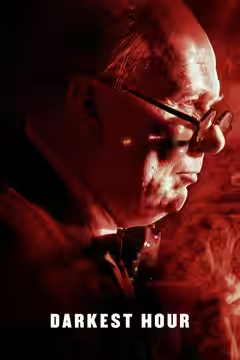
Oldman plays Churchill under a great deal of prosthetic and it takes about one scene to stop noticing. He begins the day in bed with a tray, a cigar and a whisky, shouts at his new typist Elizabeth Layton (Lily James) for single-spacing a page, and then goes off to be made Prime Minister by a King who plainly wishes it were anyone else. The voice is a mumble with edges, and Oldman uses the pauses as much as the words. What surprised us was how frightened he lets the man be. Alone in the lift down to the war rooms, this Churchill looks like someone who suspects he may be wrong and cannot afford to say so, and that moved us more than any of the speeches.

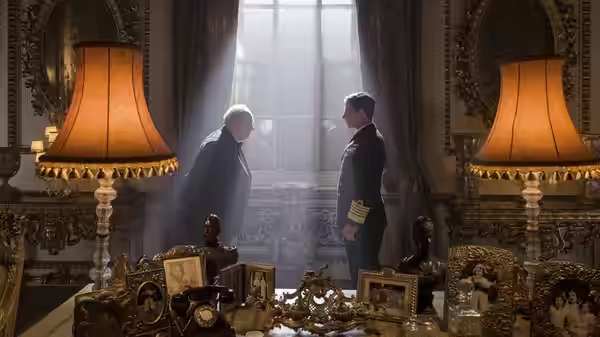
Wright and his cinematographer Bruno Delbonnel shoot Whitehall as if it were already underground. Corridors are lit by single lamps, ministers sit half in shadow, and daylight arrives through high windows in hard white shafts that nobody stands in for long. Sarah Greenwood’s war rooms are low, cluttered and yellowing, all telephones and pinned maps, and Jacqueline Durran dresses the appeasers in greys so pale they seem to be fading out of the picture. Dario Marianelli’s score runs on a piano figure that never settles, which is right for a film about waiting for news.

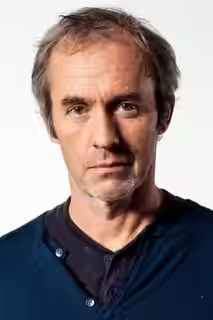
Stephen Dillane’s Halifax is the best of the supporting cast, a cold, reasonable man who believes peace talks are the only responsible course; the film is fairest when he is on screen. Ronald Pickup plays Chamberlain as a tired man already ill, and Ben Mendelsohn gives George VI a wary stiffness that thaws in one good late scene. Kristin Scott Thomas, as Clemmie, gets to be dry about her husband’s temper and not much else. James’s Layton is our way into the building, and the script forgets to give her anything to want.

The trouble is that McCarten has one scene and writes it six times. Halifax proposes talks through Italy, Churchill refuses, somebody reminds him about Gallipoli, and then he makes a speech. Valerio Bonelli cuts these exchanges briskly, but by the fourth war cabinet we could predict who would speak next. Churchill’s failings are named only so that his resolve can be admired more, and the film never asks whether a man this sure of himself might have been a danger in a different month.

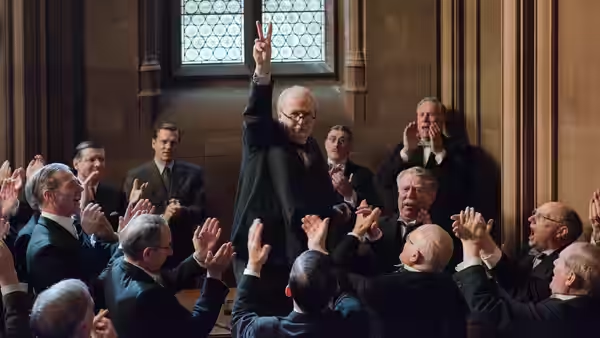
The speeches are the set pieces, and Wright stages them like engagements. The camera circles the despatch box, Delbonnel drops the benches into near-darkness, and Oldman’s voice comes up from somewhere near the floor before it fills the chamber. They work. We were stirred, and a little uneasy about it, because the film has spent the previous hour arranging for us to be.

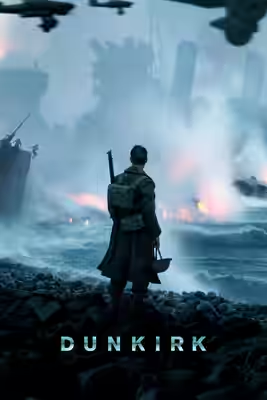
Wright’s Atonement (2007) put the camera on the beach at Dunkirk for one long unbroken shot; here Dunkirk is a name on a map and a few glimpses from the air. He has never let a room stay still, and here that mostly helps. Set beside Christopher Nolan’s Dunkirk (2017), which shows the beaches and never mentions the politics, this is a tidy companion piece and the lesser film.

See it for Oldman, who gives us a man where a monument would have done for most audiences, and see it knowing the script will explain the same thing several times. It runs 125 minutes and carries a PG, so the war stays out of shot and the arguing stays in.

Critical consensus AI synthesised

72
Positive
17
Mixed
8
Negative
0

Most critics like it, and for the same reason. Gary Oldman’s Churchill draws praise across the board: bluster and frailty in one body, a performance that most reviews say goes past caricature. Joe Wright’s direction is the second point of agreement, with several reviews admiring the noirish lighting and the energy he brings to a film set mostly in rooms. Several critics treat it as a natural companion to Dunkirk.

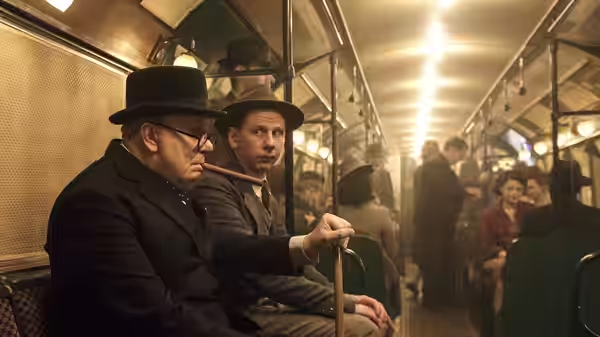
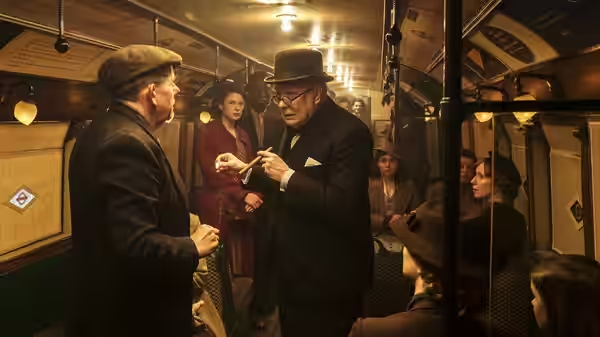
The reservations are about everything around the performance. Some find Wright’s style too busy, with The Times complaining that the slow motion and swooping camera rob the film of weight. A cluster of British reviews single out an invented scene on the London Underground as cheesy enough to damage the whole. Slant and The Ringer think the film flatters its hero and adds little insight. The spread is narrow, with no outright pans, and The AV Club stands alone in finding Oldman’s prosthetic performance the weak spot rather than the strength.

IndieWire
2 September 2017 · festival review · David Ehrlich
90*

An electric chamber piece that complements Dunkirk, with Gary Oldman delivering a rousing and ferocious performance as Churchill. The film is a taut, stylish biopic centered on Churchill's early days as prime minister.

Read the full review →
RogerEbert.com
22 November 2017 · Godfrey Cheshire
90*

The critic finds the historical drama electrifying and compares it favorably to other standout films, praising its intellectual engagement with history alongside thrilling storytelling. Oldman's performance and the film's direction, cinematography, and script are singled out for particular acclaim.

Read the full review →
The Independent
11 January 2018 · ★★★★☆
90*

Oldman delivers a phenomenal, bravura performance as Churchill that goes beyond caricature to show a devious, resilient and guilt-ridden figure. Wright shoots the chamber drama in a noirish style with visual flourishes and crafts a nuanced portrait that largely avoids jingoism.

Read the full review →
Empire
1 December 2017 · Dan Jolin
85*

Oldman gives the performance of a lifetime as Churchill, bringing bombast, bluster and empathetic frailty to the role in a way that makes every moment a joy. Wright brings visual flair to the interior drama with noirish lighting and motifs while keeping the focus on Churchill's internal conflict.

Read the full review →
Variety
2 September 2017 · festival review · Peter Debruge
85*

Gary Oldman delivers one of his greatest performances as Churchill, making the character human and nuanced. Joe Wright's cinematic direction is celebrated for balancing public triumphs with private vulnerability in a compelling, populist history lesson.

Read the full review →
Film Comment
1 November 2017 · Michael Sragow
80*

The critic commends Gary Oldman's transformative portrayal of Churchill and Joe Wright's dynamic direction that treats politics as warfare, while noting the film's propulsive style can feel wearying at times. Oldman's ability to convey both zeal and fragility stands out.

Read the full review →

Straight answers AI written, from our review

Is Darkest Hour worth watching?
Darkest Hour is worth watching for Gary Oldman's Churchill, and we scored it 66. He plays the man as cruel, funny and privately frightened, and Joe Wright keeps two hours of Whitehall talk moving. The script makes the same point about six times and never asks whether Churchill might be wrong, so it suits admirers of the performance more than anyone wanting a searching account of May 1940.
How long is Darkest Hour, and what is it rated?
Darkest Hour runs 2h 05m and is rated PG-13 by the MPA in the US. It is a drama and history film.
Where can I watch Darkest Hour in the US?
Darkest Hour is available to rent from Amazon Prime Video and Apple TV from $3.99. Availability is checked daily; the links above go straight to each service.
How does Darkest Hour compare to Dunkirk?
Darkest Hour is the lesser film beside Dunkirk, though the two fit together: one stays indoors with the politicians, the other stays on the beaches and never mentions the politics. Wright's film has the better performance in Gary Oldman; Nolan's has the fear, the exposed landscapes and the tighter construction. Watch Darkest Hour for the acting, Dunkirk for the experience.
What should I watch after Darkest Hour?
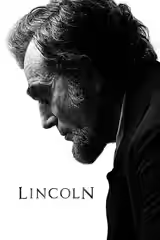
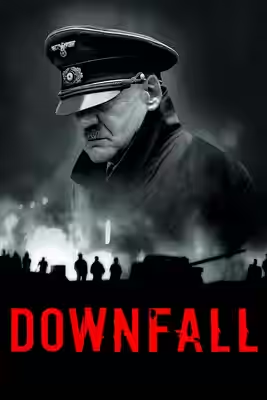
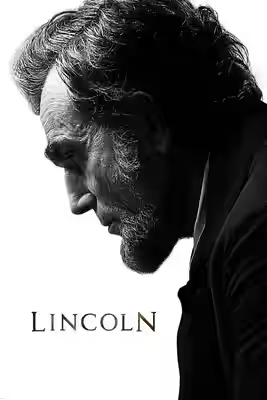
After Darkest Hour, try Dunkirk (2017, Fi1m 86): The other half of the same month: the beaches this film keeps offstage. Then Downfall (2004, Fi1m 81): The bunker on the other side, five years later, with none of the comfort; and Lincoln (2012, Fi1m 82): Another statesman, another month of vote-counting and speeches, played with more patience by Daniel Day-Lewis.

Cast

Awards

Academy Awards, 2018

Nominated
Best Cinematography
Nominated
Best Costume Design
Nominated
Best Picture
Nominated
Best Production Design
Won
Best Actor
Won
Best Makeup and Hairstyling

European Film Award – People's Choice Award for Best European Film, 2018

Nominated
European Film Award – People's Choice Award for Best European Film

If you liked this, try…

  1. Dunkirk (2017, Fi1m 86)The other half of the same month: the beaches this film keeps offstage.

  2. Downfall (2004, Fi1m 81)The bunker on the other side, five years later, with none of the comfort.

  3. Lincoln (2012, Fi1m 82)Another statesman, another month of vote-counting and speeches, played with more patience by Daniel Day-Lewis.

  4. Il Divo (2008) · not reviewed yetSorrentino’s Andreotti: a political portrait that dares to find its subject sinister.

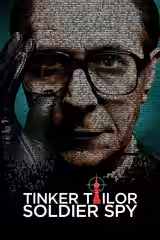
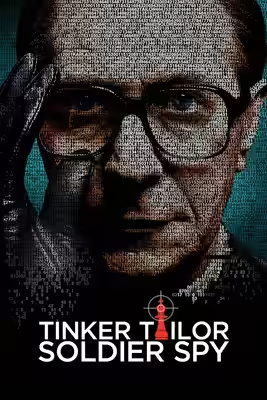
  5. Tinker Tailor Soldier Spy (2011, Fi1m 84)Oldman at the opposite volume, saying almost nothing in grey rooms.

Free account

Know what to watch tonight

Two lists that know where things are streaming, collections you can share, your own score beside ours, and Discover that remembers what you have seen.

  • Want to see, sorted by what is streaming now
  • Seen, with your score out of ten
  • No adverts, ever