Tony Scott makes the stock-car racing exciting, and Robert Duvall gives the film someone worth listening to. The thin writing and neglected romance make this one for racing enthusiasts rather than everyone else.
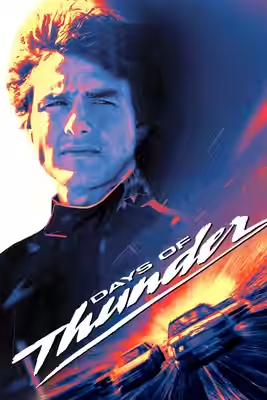
Tony Scott’s Days of Thunder is decent entertainment for racing enthusiasts, though its thin drama will test everyone else’s patience. The attraction is straightforward: Tom Cruise, competition and cars filmed to make their speed felt. Most critics take a harsher view than we do. We think they undervalue the excitement of the racing and the amount Robert Duvall contributes to a film that otherwise struggles to make its people interesting.
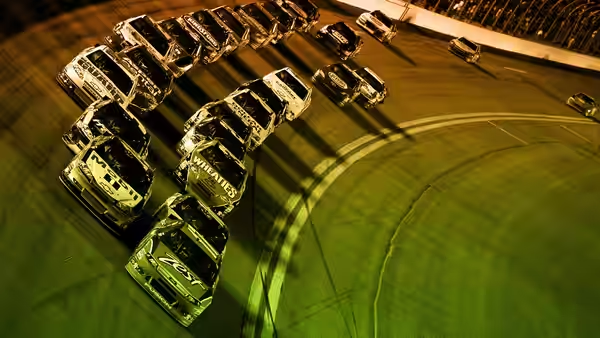
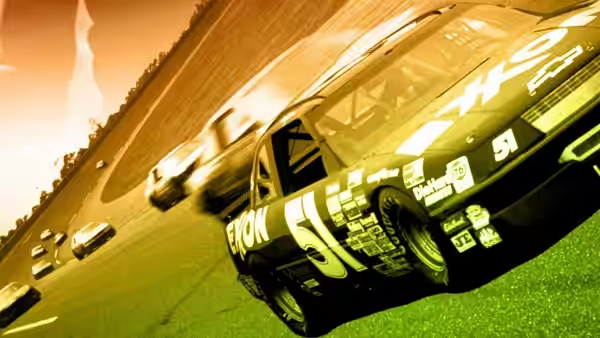
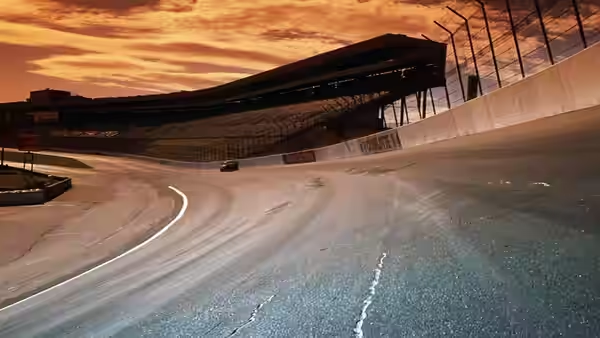
Ward Russell’s photography gives the stock cars enough weight to make their speed alarming. We were excited by the racing, even when we had little investment in who was winning. There is pleasure in watching machinery pushed hard, and Scott understands how to sustain it. The trouble begins when the same insistence is applied to conversations, as though a quieter exchange might cause the audience to wander off.
Chris Lebenzon, Billy Weber and their fellow editors keep the racing urgent, but the film does not find an equally useful pace for its conversations. At 107 minutes, it should not feel short of time to develop a relationship. Yet Robert Towne’s screenplay repeatedly asks familiar situations to do the work of character. The dialogue around racing leans on sexual suggestion, which grows tiresome and leaves precious little space for anyone to have an unexpected thought.
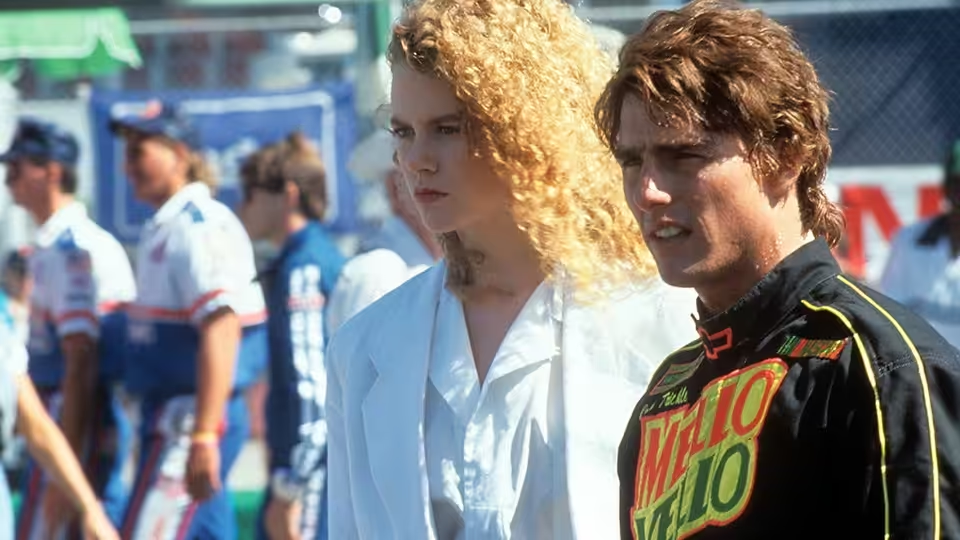
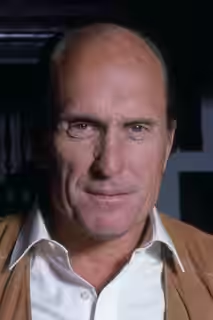
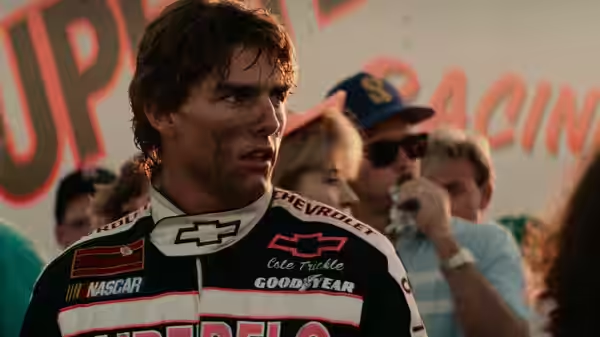
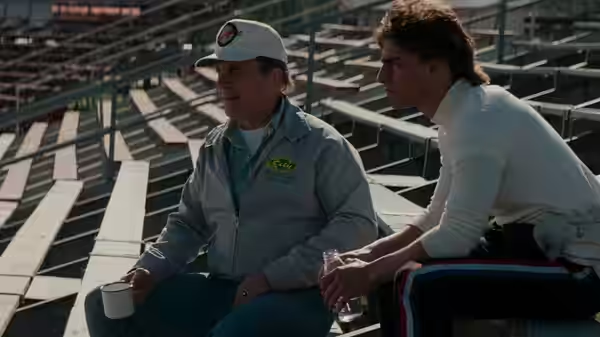
Cruise’s Cole Trickle is watchable because Cruise understands the appeal of confidence, even when the writing gives us too little to distinguish it from vanity. The grin does a fair amount of work. It becomes less useful when the film asks for emotional weight, and the performance never quite makes those changes convincing. Duvall, as Harry Hogge, is easier to believe, giving ordinary speech enough patience and feeling that we stop waiting for the next race.
Nicole Kidman brings some welcome spirit to Dr Claire Lewicki, and she deserves more from the romance than the screenplay offers. Too much of her part is arranged around making Cole interesting, while her own character receives scant attention. That is especially disappointing because Kidman gives the scenes a firmness that could have supported a more substantial relationship. The film’s treatment of women is a real weakness, and the racing cannot make it disappear.
Hans Zimmer’s score contributes to the impression that every scene needs to announce its importance. That helps the races, but it makes the underwritten romantic scenes feel more strained. Scott gives the film little breathing space, and the continued pressure becomes tiring once the cars are out of the picture. A less insistent approach might have helped Cruise and Kidman find a little of the ease that Duvall supplies.
Sports dramas can survive familiar plotting when the person competing earns our concern. Cole never quite does, which puts a limit on how much the film can offer once the immediate excitement wears off. Racing enthusiasts may find that an acceptable bargain for an evening. Anyone hoping the romance will carry the film should choose something else.