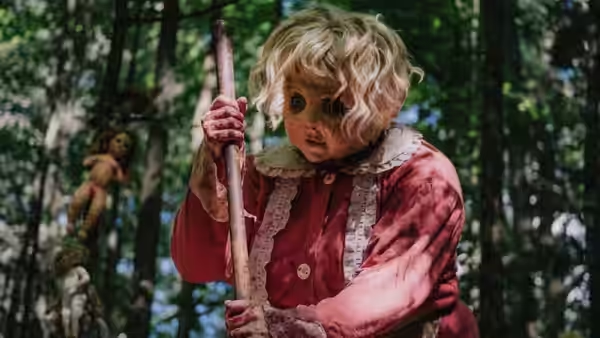
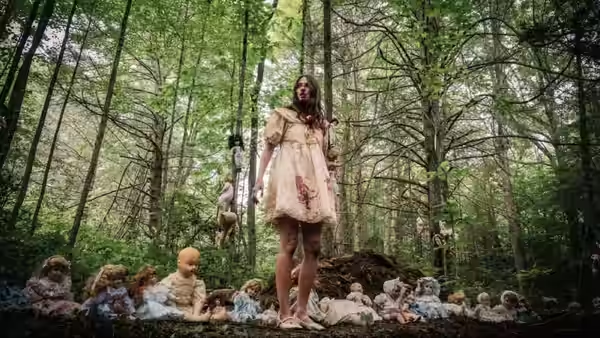
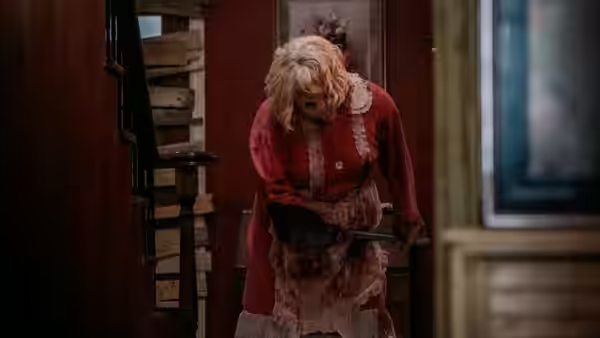
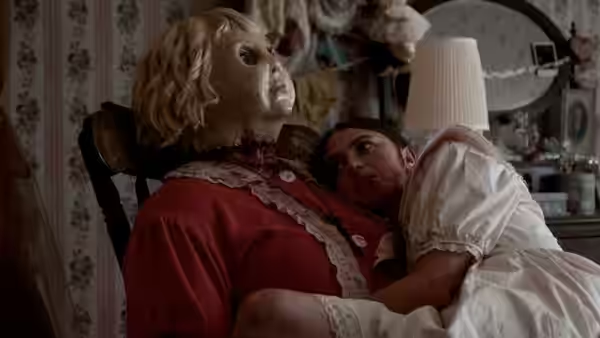
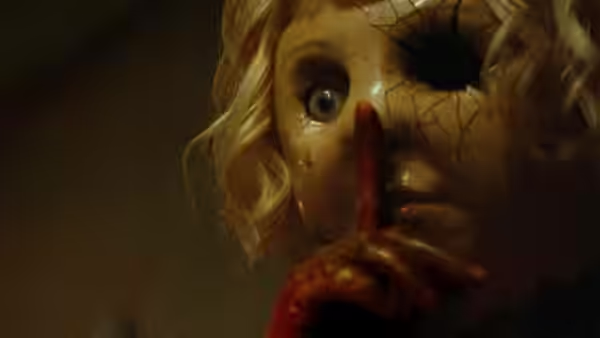
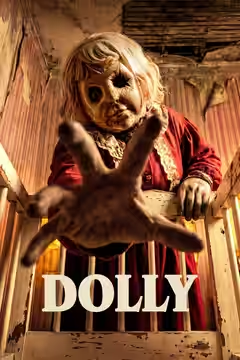
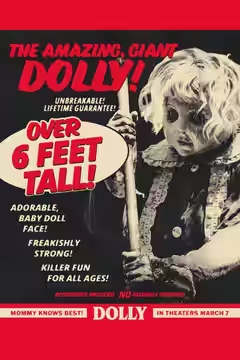
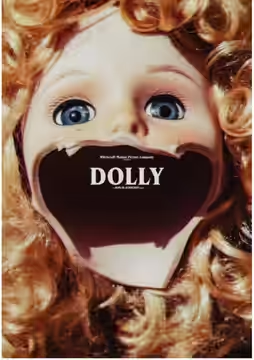
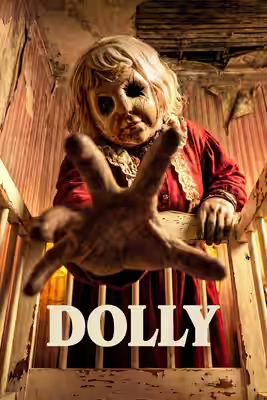
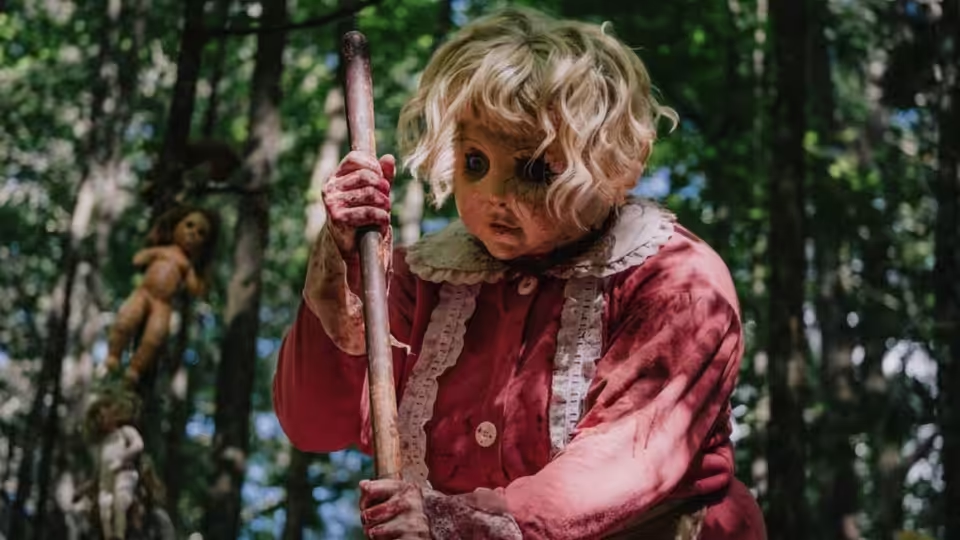
Dolly in a red dress grips a wooden bat in a forest with hanging dolls
Film review

Dolly

2026 · Directed by Rod Blackhurst · 1h 23m · MPA R

In a sentenceA 16mm slasher so in love with 1974 it brought nothing back from any year after it

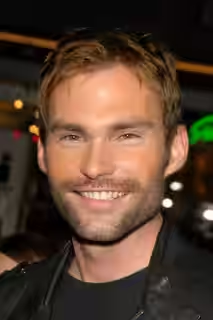
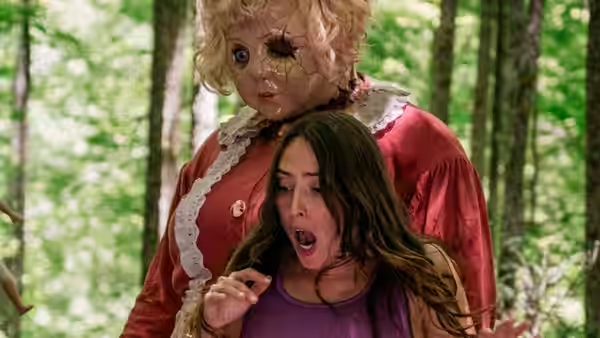
Macy (Fabianne Therese) does not want children and has stopped apologising for it. She and Chase (Seann William Scott) drive out into deep woods, in a film shot on grainy 16mm in the manner of a 1970s exploitation picture. Before the couple have settled in, the film opens its account with a killing, and the 18 certificate is earned there and then. Waiting for them is Dolly (Max the Impaler), a huge figure who wants a family and has decided Macy will be part of one. What follows is a battle of wills in the woods and at night: a woman who wants nothing to do with motherhood against a monster who insists on it, and a household that has its own ideas about what a mother is for.

Plays from YouTube when you press play; nothing loads from them until then.

Fi1m review

Rod Blackhurst has the grain, the woods and, in Max the Impaler, a monster worth the film stock. What he does not have is a second idea: after a fierce opening, Dolly says the same thing about motherhood for eighty minutes and then stops.

Rod Blackhurst has made an 83-minute exploitation picture and he wants you to know it. Dolly is shot on 16mm, set among trees and rusting metal, and built on the family from The Texas Chain Saw Massacre: a monster in the woods who wants a household and a young woman who is going to be made to fit. Blackhurst wrote it with Brandon Weavil, and the script has one idea, which is that Macy does not want to be a mother and Dolly is going to make her one. It is a decent idea for a horror film. It is not, on this evidence, enough of one.

The look is the thing everybody agrees on, and we agree too. Justin Derry shoots on grainy stock that turns the woods into a green-brown smear and the night into something you cannot see the back of, and when the blood comes it looks like paint on a wet wall, thick and dark and wrong. The opening killing is done with practical effects and no cutaways, and we flinched, properly, in a way we had not expected to in a film so obviously assembled from other films. For ten minutes it seemed possible that Blackhurst had something.

Max the Impaler is the other reason to be here. Dolly is played as a wall that has learned to move, all shoulders and patience, and the performance works because it never asks for our sympathy and never once winks. Fabianne Therese, as Macy, is given a part rather than a character, but she plays the fear as exhaustion rather than screaming, and the film is at its best in the stretches where the two of them simply look at each other and wait to see who moves. Those stretches are where the tension is. There are not enough of them.

The trouble is everything between. Once the premise is set, Blackhurst and Weavil have nowhere to take it, so they take it round in circles: a capture, an escape attempt, a recapture, a foolish decision, another. Justin Oakey cuts at the pace of a film that has more story than this one, so scenes end before they have built and the next one starts before we have caught up, and the effect is of eighty minutes passing more slowly than eighty minutes should. Nick Bohun’s score sits under it as a low, dirty drone, right for the picture and unvarying, and by the halfway mark it had become wallpaper. We were bored, and then, because the opening had promised so much better, we were cross about being bored.

The theme does not help. Macy’s feelings about children are stated in dialogue early, then restated, then acted out in the plot, then stated again, as if the film were worried we had stepped out. The Texas Chain Saw Massacre never explained its family and was the more frightening for it. This one explains its monster’s household, its heroine’s anxiety and the connection between them, and each explanation makes the picture a little less frightening.

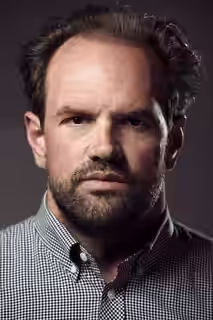
The supporting cast are stranded. Seann William Scott, as Chase, is used as a body to be moved about, which is a waste of an actor who can do panic and comedy at once. Ethan Suplee and Russ Tiller, as Tobe and Billy, are given a look each, and Michalina Almindo and Kate Cobb, as Aunt Sadie and Rachel, get less. Blackhurst’s interest is in Dolly and Macy, which is reasonable, but a film this short cannot afford five people it does not care about.

Most critics have gone cold on it, with a couple of warm dissenters who found it nightmarish rather than repetitive, and we can see what they saw in the first reel. Our own view sits close to the general one. See it if the look of the trailer is what you want and you are prepared for a film that has spent most of itself by the twenty-minute mark. The 18 is earned, the runtime is a kindness, and Max the Impaler deserves a script with two ideas in it.

Critical consensus AI synthesised

42
Positive
2
Mixed
0
Negative
4

Most critics do not care for Dolly, and the four negative notices outweigh the two admirers by some distance. Where the reviews agree is on the look of the thing: the grainy Super 16mm photography and the practical makeup effects are praised almost everywhere, even in the harshest write-ups, as the one department that earns its keep. Several critics also note the debt to The Texas Chain Saw Massacre, which some take as affectionate homage and others as proof the film has few ideas of its own.

The reservations cluster around momentum and substance. The negative reviews call it derivative and overlong, with a strong opening act of violence the rest cannot match, predictable plotting and foolish character decisions. The spread is wide: Collider finds it a misfire on nearly every count, while Eye for Film, writing from a festival, calls it riveting and nightmarish, and The New York Times enjoys it as sleazy grindhouse pastiche.

The New York Times
5 March 2026 · Erik Piepenburg
70*

The critic calls Rod Blackhurst’s film a knockout as an exploitation pastiche that oozes grindhouse sleaze on Super 16mm, with stomach-churning special makeup effects. There is not much substance beyond that, though it works as a soft homage to The Texas Chainsaw Massacre tied to the protagonist’s aversion to motherhood.

Read the full review →
Radio Times
★★ · Rosie Fletcher
40

The critic finds the film tiresome gross-out exploitation trash that aspires to little more than occasional outrageous humor. They single out its grim, overlong nature despite 70s throwback homages and grainy stock.

Read the full review →
RogerEbert.com
6 March 2026 · Katie Rife
30*

The critic finds the film a derivative '70s-style slasher homage that starts with a strong, graphic act of violence but quickly loses momentum through diminishing returns and predictable plotting. She singles out the gnarly practical effects and mean-spirited tone for limited praise while criticizing the film's self-sabotage, foolish character decisions, and overly telegraphed themes.

Read the full review →
Slant Magazine
23 February 2026 · Steven Nguyen Scaife
30*

The critic finds the film derivative and undernourished despite its horror clichés and a perverse riff on Texas Chain Saw Massacre family dynamics. Praise goes to the tactile intensity of the 16mm cinematography.

Read the full review →
Eye for Film
26 September 2025 · festival review · Jennie Kermode
75*

The critic finds the plot hard to describe without it sounding laughable but praises the film as a riveting viewing experience with a delirious, nightmarish quality. They single out the battle of wills between the protagonist and the monstrous antagonist, along with its primal, surreal atmosphere in the woods.

Read the full review →
Collider
6 March 2026 · Luna Guthrie
10*

The critic finds the film a tedious and unimaginative horror misfire that fails to deliver on its exploitation potential or build any momentum. The pleasant 16mm aesthetic is singled out as the one positive element amid otherwise poor direction, editing, and performances.

Read the full review →

Straight answers AI written, from our review

How long is Dolly, and what is it rated?
Dolly runs 1h 23m and is rated R by the MPA in the US. It is a horror film.
Where can I watch Dolly in the US?
Dolly is streaming on AMC+, The Roku Channel, Amazon Prime Video and Apple TV in the US, and it is also available to rent from Amazon Prime Video and Apple TV from $3.99. Availability is checked daily; the links above go straight to each service.
What should I watch after Dolly?
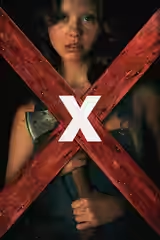
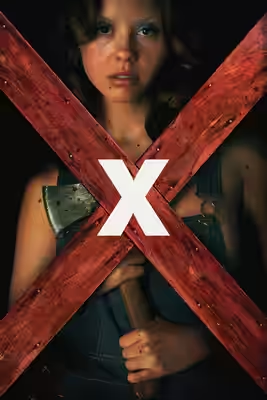
After Dolly, try The Texas Chain Saw Massacre (1974, Fi1m 87): The family Dolly is copying, and still the one that does not explain itself. Then X (2022, Fi1m 74): Ti West’s Texas farmhouse slasher, which does the 1970s pastiche with a second and third idea.

Cast

If you liked this, try…

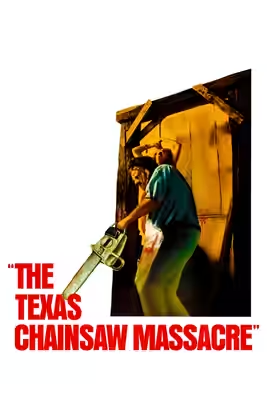
  1. The Texas Chain Saw Massacre (1974, Fi1m 87)The family Dolly is copying, and still the one that does not explain itself.

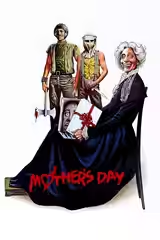
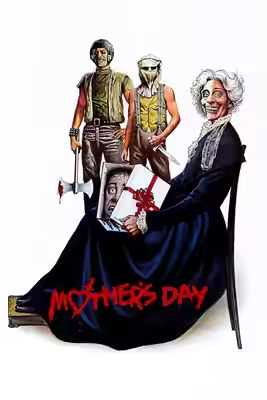
  2. Mother's Day (1980) · not reviewed yetBackwoods matriarch, two dreadful sons, and a nastier joke about parenting than this one.

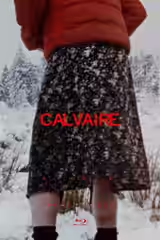
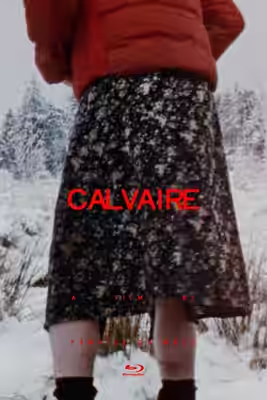
  3. Calvaire (2004) · not reviewed yetBelgian woods, a lonely innkeeper, and a captive forced into a role he never asked for.

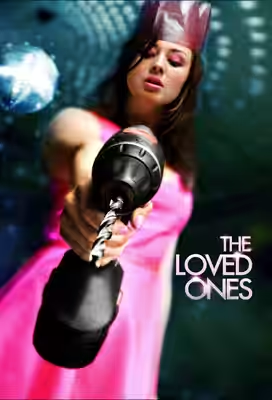
  4. The Loved Ones (2009) · not reviewed yetAustralian home-invasion horror that finds real wit in a family playing house with a hostage.

  5. X (2022, Fi1m 74)Ti West’s Texas farmhouse slasher, which does the 1970s pastiche with a second and third idea.

Free account

Know what to watch tonight

Two lists that know where things are streaming, collections you can share, your own score beside ours, and Discover that remembers what you have seen.

  • Want to see, sorted by what is streaming now
  • Seen, with your score out of ten
  • No adverts, ever