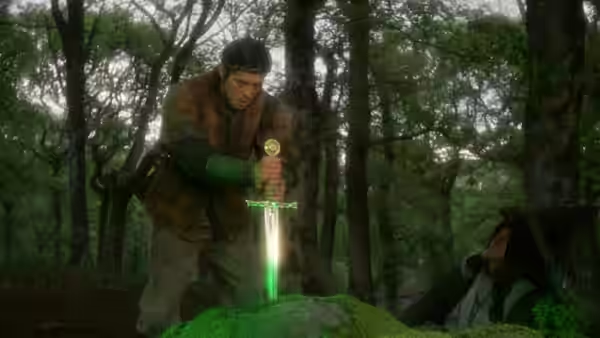
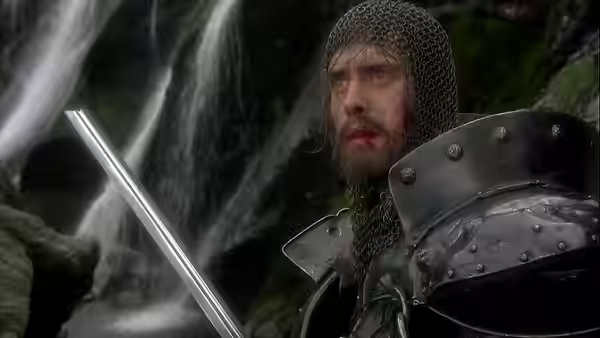
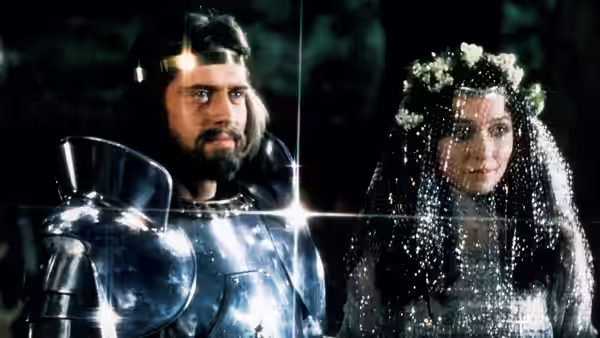
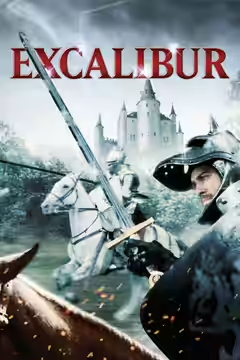
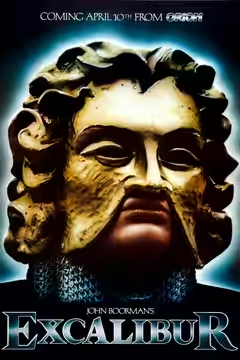
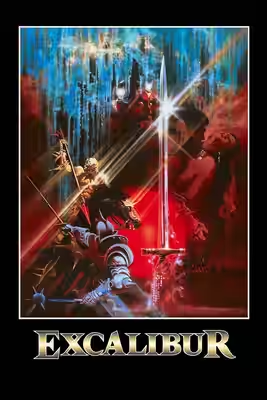
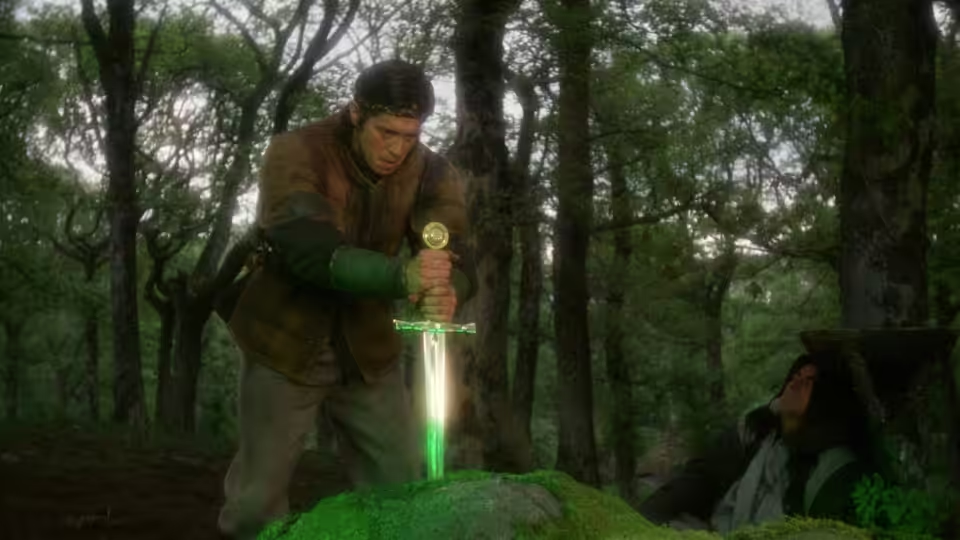
Arthur pulls the glowing sword from the stone while Merlin lies nearby
Film review

Excalibur

1981 · Directed by John Boorman · 2h 21m · MPA R

In a sentenceA kingdom of blood, magic and people who could make asking for salt sound like a prophecy

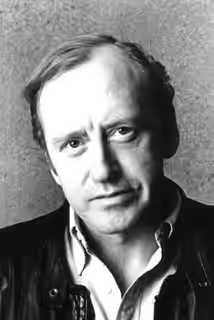
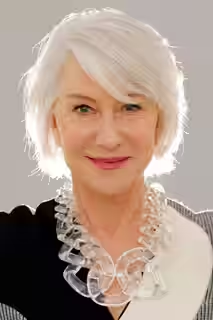
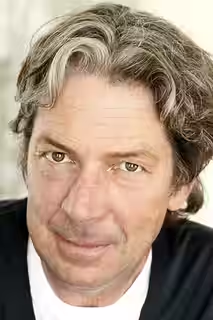
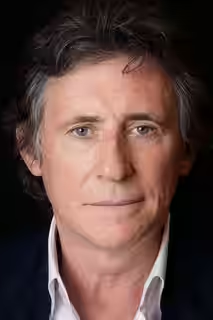
King Arthur (Nigel Terry) inhabits a realm shaped by warfare, desire and magic. Merlin (Nicol Williamson) and Morgana (Helen Mirren) bring sorcery into a story of rulers and knights, with Nicholas Clay as Lancelot, Cherie Lunghi as Guenevere and Paul Geoffrey as Perceval. Drawing on Thomas Malory, John Boorman follows the Arthurian legends through battles, romance and struggles for power. Human passions and supernatural forces both have their part in the affairs of the kingdom. Gabriel Byrne also appears as Uther, with Liam Neeson as Gawain.

Plays from YouTube when you press play; nothing loads from them until then.

Fi1m review

John Boorman’s Excalibur makes an involving spectacle of bloodshed and sorcery, though the people sometimes get lost in the telling. Nicol Williamson, Helen Mirren and Alex Thomson’s photography reward a tolerance for solemn speeches.

John Boorman’s Excalibur asks us to accept its knights and sorcery without a reassuring wink. We recommend it to anyone who wants fantasy to feel strange and dangerous, with a caveat about the hurried storytelling. Working from Thomas Malory, Boorman and co-writer Rospo Pallenberg treat kingship, sex and magic as matters of equally dangerous urgency. That can make the dialogue sound overburdened, but it also gives the film a seriousness that survives its moments of absurdity.

Nigel Terry’s Arthur has to carry the royal dignity while more immediately entertaining figures work around him. The king’s importance is clear, but Terry struggles to make him someone we feel close to. Nicholas Clay and Cherie Lunghi, as Lancelot and Guenevere, encounter a similar difficulty: the weight of the legend can leave little room for an individual person. They are committed performances, though the writing needs more of the small exchanges that would make its grand passions convincing.

Nicol Williamson’s Merlin is considerably better company. Williamson gives him an eccentric authority, with enough oddness in his delivery to suggest that ordinary conversation is an inconvenience. Helen Mirren’s Morgana brings a welcome precision to a film whose actors are often encouraged towards declamation. Both performances make sorcery interesting before the film has to demonstrate any of it, and both give us someone worth watching between the larger displays.

Alex Thomson’s photography makes the natural world seem agitated, as though the settings share the moods of the people passing through them. We were exhilarated by the battles and balls of flame, because the violence has a ferocity that the stiffest dialogue cannot supply. Anthony Pratt’s production design gives the royal world an artificial grandeur that fits this heightened telling. Bob Ringwood’s costumes contribute to that effect, making the figures imposing even when the performances are less expressive.

Editors Donn Cambern and John Merritt keep the images moving rather than inviting us to settle in and admire them. The pace gives the spectacle force, although the storytelling sometimes feels as if an important human interval has been cut away. Trevor Jones’s music shares the soundtrack with Orff and Wagner, and the scale of the sound suits Boorman’s refusal to play anything small. It can be overbearing, but the ceremonial weight of the music makes sense alongside such emphatic staging.

The critical consensus is considerably cooler than we are, with complaints about muddle, grandiosity and a failure to move the audience. The muddle is real, particularly when another hurried passage interrupts our involvement with the characters, but we think those objections undervalue the film’s physical excitement. As fantasy, it understands that magic ought to unsettle the people living with it. The exaggerated performances and insistent music help sustain that unease, even when the story is not as clear as it should be.

At 141 minutes, this is a substantial commitment to a kind of fantasy that offers little relief from its own convictions. We would have welcomed more time with Arthur as a person, even if it meant less spectacle. There is still considerable pleasure in a film so willing to let violence, desire and enchantment feel dangerous. Choose it for the sorcery and the battles, and allow the occasional speech to pass without demanding that it sound like conversation.
Critical consensus AI synthesised

71
Positive
10
Mixed
0
Negative
2

Most critics like Excalibur, and the praise clusters on John Boorman’s visual approach: the battles, the fire, the magic, the Arthurian legend told at full mythic scale rather than trimmed to a tidy plot. Several note the film’s debt to Jung and its use of Orff and Wagner, and most take the graphic violence and nudity as part of the design rather than an indulgence. Nicol Williamson’s Merlin is singled out again and again, with Helen Mirren’s Morgana close behind; even the harshest reviews spare them.

The reservations are about story and feeling. Roger Ebert calls it wondrous but messy, without a clear story line or consistent character behaviour. The two outright dissenters go further: Vincent Canby in The New York Times finds it solemn, grandiose and pretentious, and Time Out finds it overlong, incoherent and unable to sway the emotions. The spread is wide: ten reviews are positive, two negative, and nobody is merely lukewarm.

Empire
1 January 2000 · Mark Dinning
90*

This John Boorman film delivers a terrific end result full of energy and mysticism. It includes all the key Arthurian elements and stands out for its glorious photography and epic drama, while emphasizing blood, guts and magic over sentimentality.

Read the full review →
Variety
31 December 1980 · Variety Staff
90*

The critic calls the film exquisite, a near-perfect blend of action, romance, fantasy and philosophy that is finely acted and beautifully filmed. A somewhat extended Grail quest sequence is noted as a minor fault.

Read the full review →
The AV Club
12 December 2012 · Keith Phipps
80*

The piece praises the film's ambitious scope in covering Arthurian legend with mythic depth drawn from Jung and other sources, resulting in a cohesive and appropriately grand work. It highlights how graphic violence and nudity are integrated without feeling gratuitous.

Read the full review →
RogerEbert.com
1 January 1981 · Roger Ebert
70*

The film is a wondrous but messy vision of Arthurian legend, a triumph of production design and visuals that nonetheless lacks a clear story line and consistent character behavior.

Read the full review →
Slant Magazine
13 March 2011 · Glenn Heath Jr.
70*

The critic calls Excalibur a staggering achievement of bloated artifice that dismantles the Arthur legend one invigorating aesthetic swipe at a time. They single out Boorman’s hallucinatory visual approach, linking processes of nature to human moods through stylized melodrama and overdone representations of magic and sex.

Read the full review →
The New Yorker
13 April 1981 · Pauline Kael
70*

The critic praises the film's crazy integrity as a serious, R-rated fairy tale soaked in Jung and scored to Orff and Wagner, with a stubborn discipline in its visual style. She singles out its raging battles, balls of flame, and refusal to linger on beautiful images as elements that give it genuine storm-like energy.

Read the full review →

Straight answers AI written, from our review

Is Excalibur worth watching?
Excalibur is worth watching for anyone who wants Arthurian fantasy to feel strange and dangerous, and we scored it 79. The battles, Alex Thomson's agitated photography and Nicol Williamson's eccentric Merlin carry it, though the hurried storytelling leaves Arthur, Lancelot and Guenevere hard to feel close to. Come for the sorcery rather than the speeches.
How long is Excalibur, and what is it rated?
Excalibur runs 2h 21m and is rated R by the MPA in the US. It is an adventure and fantasy film.
Where can I watch Excalibur in the US?
Excalibur is available to rent from Amazon Prime Video and Apple TV from $4.99. Availability is checked daily; the links above go straight to each service.
How violent or frightening is Excalibur, and is it suitable for children?
Excalibur carries a UK 15 certificate, and it earns it: the violence has a real ferocity, and the film treats sex and bloodshed with equal seriousness. It is not for children, and the solemn tone offers little relief for the squeamish. Older teenagers with a taste for heightened, unsettling fantasy should be fine.
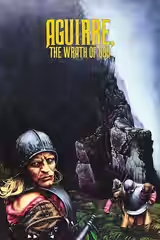
How does Excalibur compare to Aguirre, the Wrath of God?
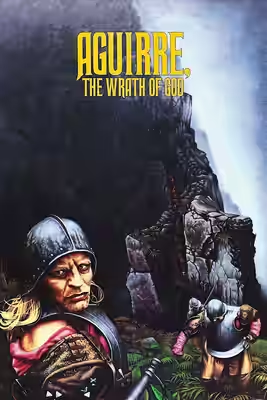
Excalibur is the bigger and more decorative of the two, a fantasy of knights and magic, where Aguirre, the Wrath of God is a leaner jungle adventure about greed and a leader coming apart. Herzog's film is the stronger and the more disturbing, carried by Klaus Kinski; Boorman's is the one to choose for spectacle and sorcery rather than character.
Is Excalibur based on a true story or a book?
Excalibur is based on Thomas Malory's Arthurian writings, not on a true story; the legends of Arthur, Merlin, Lancelot and Guenevere are its source. Boorman and co-writer Rospo Pallenberg compress a great deal, so passages can feel hurried. Knowing the legends beforehand helps you follow the muddled stretches, but it is not required.
What should I watch after Excalibur?
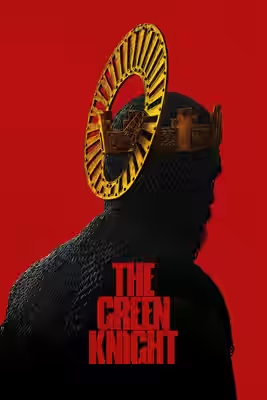
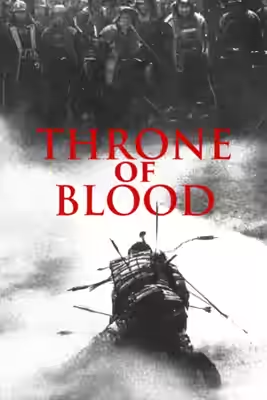
After Excalibur, try The Green Knight (2021, Fi1m 78): Another Arthurian film that lets magic remain troubling, with more room for doubt. Then Throne of Blood (1957, Fi1m 88): Akira Kurosawa gives ambition, prophecy and bad weather equally forceful roles; and Aguirre, the Wrath of God (1972, Fi1m 91): For the feverish landscapes and the spectacle of authority becoming dangerously unhinged.

Cast

Awards

Academy Awards, 1982

Nominated
Best Cinematography

If you liked this, try…

  1. The Green Knight (2021, Fi1m 78)Another Arthurian film that lets magic remain troubling, with more room for doubt.

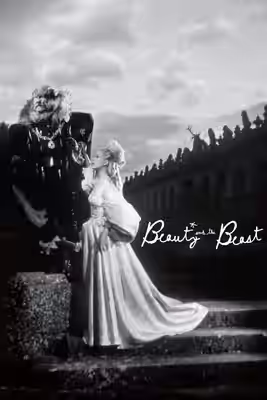
  2. Beauty and the Beast (1946) · not reviewed yetJean Cocteau makes enchantment feel physical, beautiful and capable of doing harm.

  3. Throne of Blood (1957, Fi1m 88)Akira Kurosawa gives ambition, prophecy and bad weather equally forceful roles.

  4. Aguirre, the Wrath of God (1972, Fi1m 91)For the feverish landscapes and the spectacle of authority becoming dangerously unhinged.

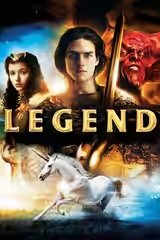
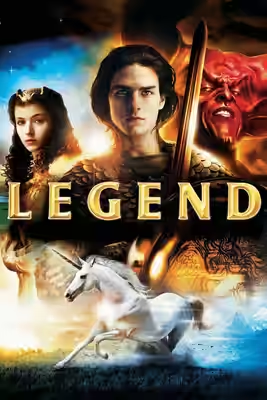
  5. Legend (1985, Fi1m 61)Ridley Scott’s fairy tale offers elaborate creatures and a similarly wholehearted belief in magic.

Free account

Know what to watch tonight

Two lists that know where things are streaming, collections you can share, your own score beside ours, and Discover that remembers what you have seen.

  • Want to see, sorted by what is streaming now
  • Seen, with your score out of ten
  • No adverts, ever