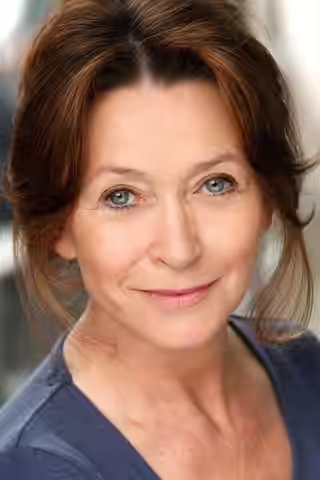
Cherie Lunghi’s theatrical precision gives her a firm presence on screen. We value her commitment, but the historical dramas we have reviewed too often ask her to supply emotion that the writing has not earned.
Fi1m perspective
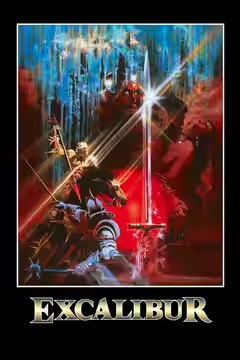
As Guenevere in Excalibur (1981), Cherie Lunghi has the poise for a queen, though John Boorman’s film leaves her little room to become someone we know. Her commitment is clear, as is Nicholas Clay’s as Lancelot; the writing is less persuasive about what passes between them. We felt kept at a frustrating distance from Guenevere because there were too few small exchanges to make the grand passions convincing. Alex Thomson’s photography helps make the film worth seeing, but our admiration for the spectacle does not quite extend to its handling of the people.
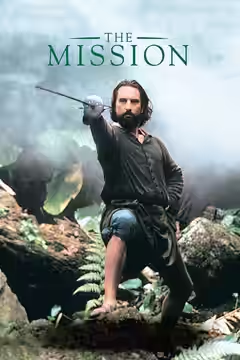
It was her breakthrough film role, and period dramas became a recurring part of her work. In Roland Joffé’s The Mission (1986), she plays Carlotta, within another film that gives its people too little attention. Robert Bolt’s script leaves the characters underdeveloped, with Jeremy Irons supplying some of the feeling it misses. The scenery, music and conviction hold us, but this is another occasion when we want the writing to give the actors more to do.
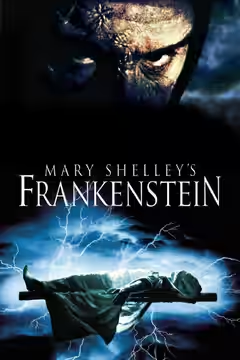
Television forms a substantial part of the picture, through The Manageress (1989–1990) and the long-running Kenco coffee advertisements. Her later film parts include Caroline Beaufort Frankenstein in Kenneth Branagh’s Mary Shelley’s Frankenstein (1994), and Anna in Jack & Sarah (1995). This is a broader body of work than the period casting alone suggests, with television work alongside supporting parts in films. We would be wary of assuming that the more imposing production necessarily offers her the more rewarding part.
The recurring casting as poised, authoritative women makes sense, though we would welcome more writing that lets that composure slip. Our reservation about Guenevere is not a demand for a smaller performance; we want more convincing detail in the scenes she is given. Lunghi does not lack commitment to the material. Start with Excalibur, provided the solemn speeches do not put you off, and allow for a script that sometimes makes its actors work harder than it should.
Biography
Cherie Lunghi is an English actress. Born in Nottingham in 1952, she trained at the Central School of Speech and Drama and joined the Royal Shakespeare Company in the late 1970s, appearing in leading roles including Perdita, Celia and Viola.
Her film roles include Guenevere in Excalibur (1981), Carlotta in The Mission (1986) and Caroline Beaufort Frankenstein in Mary Shelley's Frankenstein (1994). She has appeared in many British television dramas, including The Manageress, and featured in a series of Kenco coffee advertisements. She competed in the 2008 series of Strictly Come Dancing.