Critics’ reviews

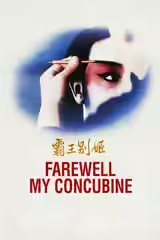
Farewell My Concubine (1993)

9 reviews from 9 publications. Critics’ score 75: 7 positive, 0 mixed, 2 negative.

Back to our review of Farewell My Concubine

75
Positive
7
Mixed
0
Negative
2

Most critics like it, and the praise clusters in the same places. The reviews follow two Peking Opera actors through half a century of Chinese history and admire how their loyalties and betrayals track the country’s upheavals. The photography and production values draw the warmest words, with the film’s sweep and its look mentioned in almost every notice. Leslie Cheung’s performance is singled out, and several critics find the long running time earned rather than endured.

The dissent is small but sharp. Two critics hold out, and both object to the storytelling rather than the look. The Independent finds the plotting overambitious and the point of view confused, and calls the melodrama manipulative. Variety finds the film seductive to look at but emotionally uninvolving, with a lopsided script that never examines the characters’ sexual or emotional lives. Even the admirers concede the grimness; The New Yorker credits brisk direction with keeping it from sinking into pathos.

Empire
1 January 2000 · Phillipa Bloom
90*

The critic highlights the film's epic sweep through Chinese history via the lives of two Peking Opera stars, their bond, unrequited love, and the political turmoil, calling it a fascinating, beguiling and tragic portrait that triumphs despite its dangers.

Read the full review →
Film Comment
1 July 1993 · festival review
90*

The critic calls Farewell My Concubine a knockout that blends passion and precision, more than worthy to share the Palme d’Or. It is praised as a fearless denunciation of regimes that stifle life and art, while delivering nonstop entertainment value over 170 minutes.

Read the full review →
Los Angeles Times
22 October 1993 · Kenneth Turan
90*

This gorgeous, intoxicating epic is a slow, confident journey through modern Chinese history that marks the coming of age of Chinese cinema. Exceptional performances, especially Leslie Cheung's, and lush visuals make it unforgettable.

Read the full review →
Time Out
10 September 2012 · GA
90*

Chen Kaige shifts to a direct approach charting the troubled relationship of two Peking Opera actors from 1925 to 1977, mirroring China's upheavals through their loyalties, betrayals and support. The visually spectacular epic is sumptuous, intelligent, enthralling and rhapsodic.

Read the full review →
Slant Magazine
28 July 2024 · Clayton Dillard
85*

The film is an epic melodrama blending personal stories with 20th-century Chinese history through the lens of Peking Opera and a tragic love triangle. It stands out for its vivid portrayal of how personal identity and politics intertwine, especially during the Cultural Revolution.

Read the full review →
The New York Times
8 October 1993 · festival review · Vincent Canby
85*

Chen Kaige's epic delivers action, history, exotic color, and a vicious love story rooted in the characters' lives. It is a vastly entertaining spectacle and a recognizable cultural achievement.

Read the full review →
The New Yorker
4 October 1993 · Terrence Rafferty
75*

Chen Kaige sustains interest over two and a half hours in characters ground down by political regimes while betraying one another. The brisk direction keeps the grim story from bogging down in pathos.

Read the full review →
The Independent
7 January 1994 · Adam Mars-Jones
40*

The critic praises the film's visually rich pageant of suffering across decades of Chinese history and the powerful early sequences of brutal opera training, but faults its overly ambitious plotting, confused point of view, and tendency toward manipulative melodrama that turns it into visually magnificent downbeat soap opera.

Read the full review →
Variety
20 May 1993 · festival review · Derek Elley
30*

The film is a seductively lensed but emotionally uninvolving drama about two male Peking Opera stars and the ex-prostitute who comes between them. Chen Kaige adopts an operatic style with handsome production values, but the script is lopsided and fails to deeply examine the characters' emotional or sexual identities.

Read the full review →

Ordered by the weight we give each publication, then by score. Scores are normalised to 100; * means inferred from an unrated review. Summaries are ours, not quotations; follow the links for the reviews themselves. How we rate