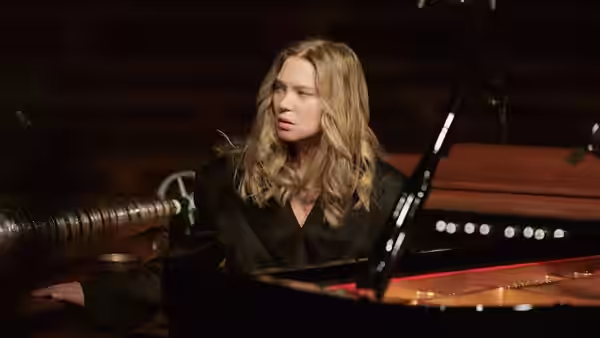
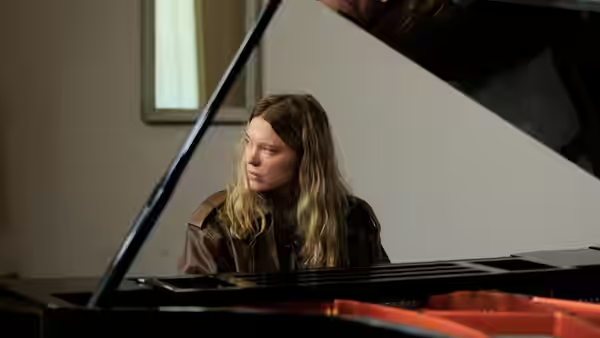
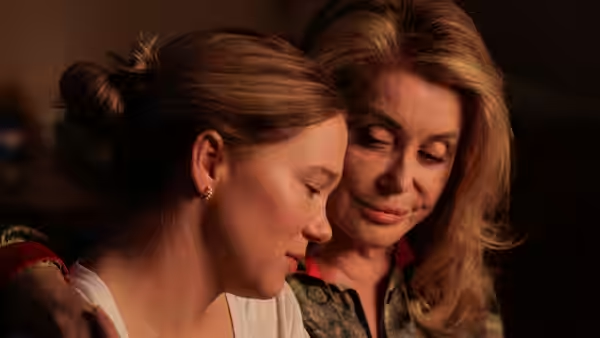
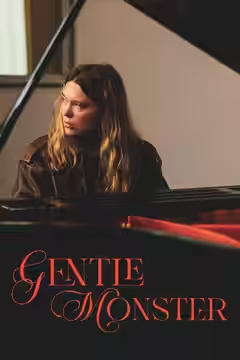
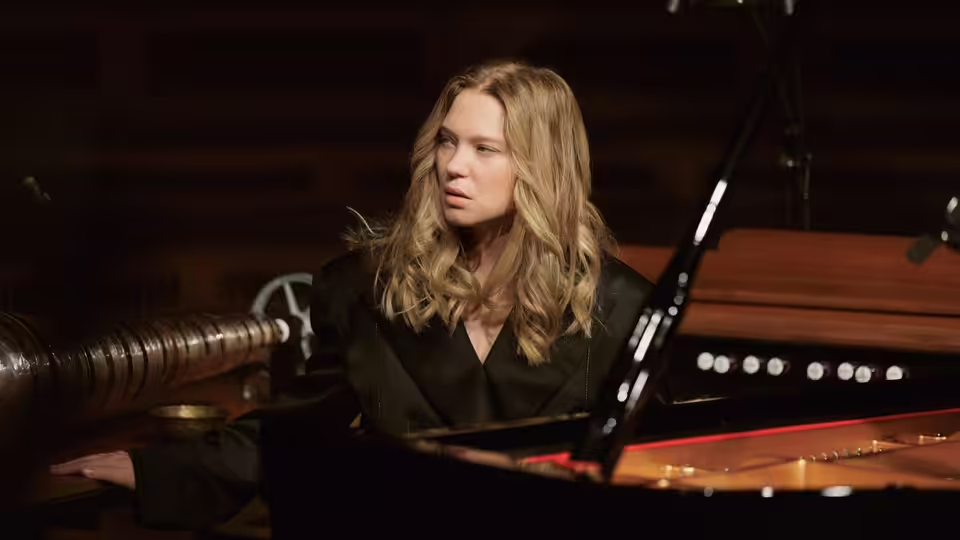
Lucy Weiss (Léa Seydoux) seated at a grand piano in dim light
Film review

Gentle Monster

2026 · Directed by Marie Kreutzer · 1h 54m · MPA R

In a sentenceA pianist finds out what her husband has been downloading, and the film keeps cutting away to check on someone else

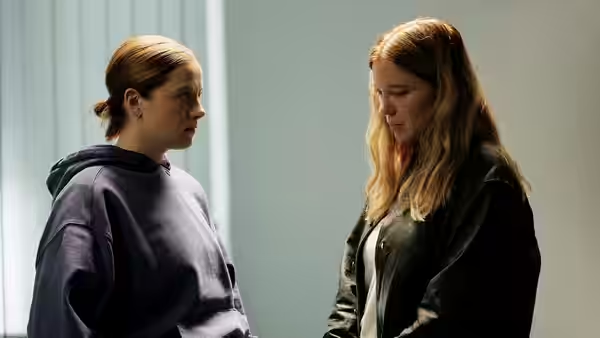
Lucy Weiss (Léa Seydoux) is a pianist whose settled life ends with a knock at the door: her husband Philip Weiss (Laurence Rupp) is arrested for possessing child pornography. She wants there to have been a mistake, and the first act watches her insist on one, in front of the police, the family and a flat that is suddenly evidence. Running beside her story is that of Elsa Kühn (Jella Haase), a younger woman bound by her own loyalty to a man in her life, with Sylvester Groth as Hermann Kühn. Catherine Deneuve plays Eryn and Regina Fritsch is Inge Weiss. Marie Kreutzer’s Franco-German drama moves between languages and between the two women, each deciding what she owes and what she can bear to know.

Plays from YouTube when you press play; nothing loads from them until then.

Fi1m review

Léa Seydoux is superb as a wife who will not believe what she has been told. Marie Kreutzer’s drama is honest and bleak, and it keeps leaving her for a second story that is not as good. See it for Seydoux.

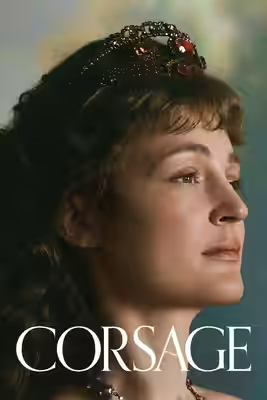
Marie Kreutzer’s last film, Corsage, kept one woman in the centre of the frame for two hours and dared us to look away. Gentle Monster starts with the same idea. Lucy Weiss (Léa Seydoux), a pianist with a husband, a family and a life that appears to be going well, opens the door to the police and learns that Philip (Laurence Rupp) has been arrested for possessing images of children. The film is not about him. It is about what she knew, what she ought to have known, and what she is now expected to do about a man she still, appallingly, loves. That is a hard and proper subject, and for its first hour the film is equal to it. Then it starts adding things, and by the end it has added too many.

Seydoux is the reason to go. She plays Lucy’s denial not as stupidity but as a kind of manners, the reflex of a woman who has spent her life being reasonable and cannot stop now. Watch her in the police interview, answering questions about her own marriage as though they were about someone else’s, and you can see the exact moment the reasonable answers run out. We felt something close to nausea sitting through that scene, and it was nothing the film showed us; it was Seydoux’s face working out what a sentence meant a half-second after saying it. Rupp, wisely, is given almost nothing. He is a shape in a doorway, a voice on a phone, and the film does not let him plead.

Kreutzer and her cinematographer Judith Kaufmann shoot Lucy’s world in the cool, even light of good flats and rehearsal rooms, and they stay on her rather than cutting to what she is looking at, so that we learn most of what happens by watching it arrive in her expression. Camille’s score is sparing and low, and it never tells us to feel what Seydoux has already made us feel. Monika Buttinger dresses Lucy in the clothes of someone who has never had to think about being looked at, and then keeps her in them while she is looked at by everyone. It is quiet, careful work and it serves the performance.

The trouble is the second story. Elsa Kühn (Jella Haase) is a younger woman with her own bad loyalty to a man, and the film means her as a rhyme for Lucy: two women who will not see what is in front of them. Haase is good, and Sylvester Groth is unnerving as Hermann Kühn. But every time Ulrike Kofler cuts from Seydoux to Haase we lost something, and the film did not give it back. The two stories are made to weigh the same, and they do not. Flashbacks arrive to explain what the present had already shown us, and the dialogue slips between languages in a way that sometimes reads as the characters’ lives and sometimes as the co-production’s paperwork.

Catherine Deneuve is on hand as Eryn, and the film is glad of her without ever quite deciding what she is for. Regina Fritsch, as Inge Weiss, has one scene of family loyalty that is as chilling as anything here, because it is so ordinary. Katharina Lorenz’s Maike is the friend who says the thing nobody else will, and the film could have used more of her.

What Kreutzer gets right matters. She does not put the offender at the centre, she does not make his crimes a puzzle to be solved, and she does not offer Lucy an exit that the real world would not. Most critics have credited her for that and we do; the film’s refusal to comfort is its best quality and it holds to it. But Corsage had one idea and one woman and trusted them both for the whole length, and this has two of each and trusts neither for long enough. By the last half hour we had stopped feeling sick and started feeling managed, which for a film this serious is the wrong way round.

It runs 114 minutes and carries a 15. Go for Seydoux, and go knowing that the film around her is bleak without relief, and that it will keep cutting away at the moments you least want it to.

Critical consensus AI synthesised

62
Positive
7
Mixed
1
Negative
3

Most critics respond favourably to Gentle Monster, with praise clustering around Léa Seydoux’s performance as a wife confronting allegations against her husband. The reviews repeatedly single out her handling of denial, distress and divided loyalty, including several that find the film itself wanting. Supporters value the sensitive treatment of abuse and its consequences for a family, praising the decision to concentrate on the wife rather than the accused man. There is less agreement about how effectively the surrounding story serves that focus.

The spread is wide, with reservations centring on distracting subplots, flashbacks and a parallel narrative that several critics consider underdeveloped. Even favourable reviews question the breadth of the storytelling. Variety finds the bleakness unrelenting, while Little White Lies makes the sharper objection that suggestion and overexplanation prevent meaningful engagement with the subject. The principal divide is over whether the film examines difficult material with care or leaves its hardest questions insufficiently explored.

Time Out
7 June 2026 · ★★★★ · Stephen A Russell
80

The critic calls it a slow-burn domestic horror story of betrayal where Léa Seydoux is remarkable as the pianist confronting her husband's alleged crimes. Strong performances and commitment to chaotic reality stand out, though subplots and flashbacks are underbaked distractions.

Read the full review →
IndieWire
15 May 2026 · festival review · David Ehrlich
70*

It delivers a tough, sober, and unflinching social drama about hidden predators and the difficulty of recognizing them in one's own life. The story focuses on the wife's painful awakening and the broader implications of such abuse.

Read the full review →
The Guardian
15 May 2026 · festival review
70*

The film is a coldly eloquent and disquieting Franco-German drama about two women imprisoned by duty of care and loyalty to the men in their lives. It is a bleak, pessimistic work with two excellent lead performances from Léa Seydoux and Jella Haase.

Read the full review →
The Hollywood Reporter
15 May 2026 · festival review · Leslie Felperin
70*

The film handles its tricky, sensitive subject with grace through the perspective of the wife reeling from her husband's arrest. It creates complex moral shades around guilt and family fallout while showcasing a raw, nuanced lead performance.

Read the full review →
Screen Daily
15 May 2026 · festival review
55*

The critic finds the film an unflinching but undisciplined follow-up to Corsage that explores the collateral damage of abuse from the partner's perspective. Léa Seydoux impresses in a tricky internalized role, but the structure becomes bitty and creates a false equivalence between plotlines.

Read the full review →
Variety
15 May 2026 · festival review · Jessica Kiang
40*

The critic finds the film an intelligently made but unremittingly bleak depiction of a family’s dissolution after a shocking revelation about the husband. She singles out Léa Seydoux’s compelling performance for conveying the wife’s horror, heartbreak, and self-deluding attempts to deny the truth, but notes the film offers no relief or way out of the darkness.

Read the full review →

Straight answers AI written, from our review

Is Gentle Monster worth watching?
Gentle Monster is worth watching for Léa Seydoux, and we scored it 64. Her performance as a wife who will not believe what she has been told about her husband is the best thing in Marie Kreutzer's drama, and the film keeps cutting away from her to a second story that is not as good. It suits patient viewers who can take a bleak evening without relief.
How long is Gentle Monster, and what is it rated?
Gentle Monster runs 1h 54m and is rated R by the MPA in the US. It is a drama film.
Where can I watch Gentle Monster in the US?
Gentle Monster is not on any streaming or rental service in the US at the moment. It is available in 2 other countries; change your country at the top of the page to see where. Availability is checked daily.
How violent or frightening is Gentle Monster, and is it suitable for children?
Gentle Monster carries a 15 in the UK and an R in the US, and it is not suitable for children. There is no on-screen violence that we noted; the subject is a husband arrested for possessing images of children, and the distress comes from watching his wife work out what that means. It is an adult drama about an adult crime, bleak throughout and hard going for anyone raw on the subject.
How does Gentle Monster compare to The Hunt?
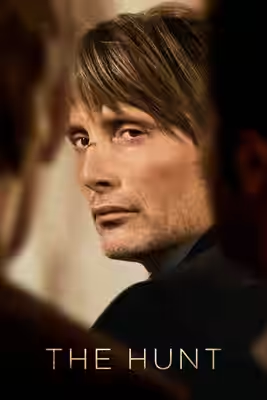
Gentle Monster and The Hunt both watch a community react to a charge involving children, but from opposite sides: Vinterberg's teacher is falsely accused, while Kreutzer's husband is not, and the film stays with his wife rather than him. The Hunt is the tighter and more absorbing of the two, driven by Mads Mikkelsen's distress. Gentle Monster has the finer central performance in Seydoux and the weaker structure around her.
What should I watch after Gentle Monster?
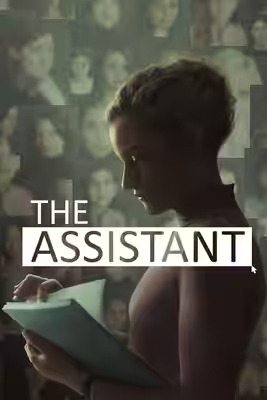
After Gentle Monster, try Corsage (2022, Fi1m 81): Kreutzer’s previous film: one woman, one frame, and the discipline this one lacks. Then The Hunt (2012, Fi1m 82): Vinterberg’s Danish drama of an accusation and a town, told from the other side; and The Assistant (2019, Fi1m 81): A day at a desk beside a predator; what knowing and not knowing look like.

Cast

If you liked this, try…

  1. Corsage (2022, Fi1m 81)Kreutzer’s previous film: one woman, one frame, and the discipline this one lacks.

  2. The Hunt (2012, Fi1m 82)Vinterberg’s Danish drama of an accusation and a town, told from the other side.

  3. The Assistant (2019, Fi1m 81)A day at a desk beside a predator; what knowing and not knowing look like.

  4. Little Children (2006, Fi1m 77)Suburban adultery and a registered offender next door; Todd Field, unhurried and unkind.

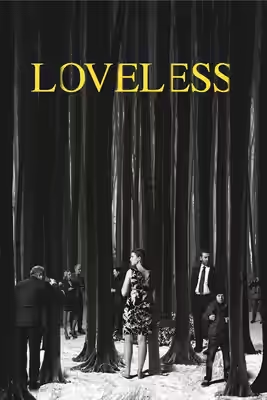
  5. Loveless (2017, Fi1m 83)Zvyagintsev watches a Russian marriage end and declines to blink.

Free account

Know what to watch tonight

Two lists that know where things are streaming, collections you can share, your own score beside ours, and Discover that remembers what you have seen.

  • Want to see, sorted by what is streaming now
  • Seen, with your score out of ten
  • No adverts, ever