Simon Hynd’s fantasy comedy gives its returning ensemble a funny, affectionate adventure without requiring a working knowledge of the sitcom. We recommend it, provided another outing for familiar characters is enough.
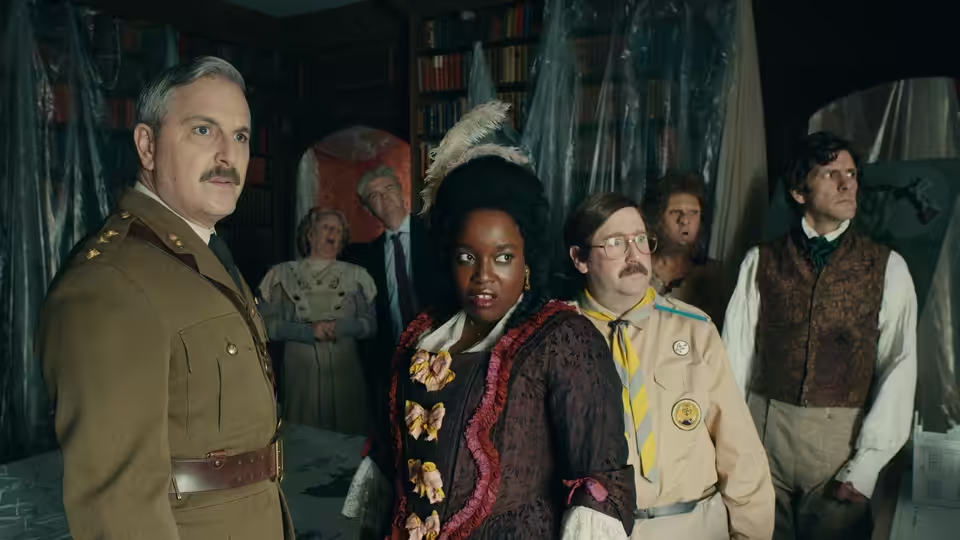
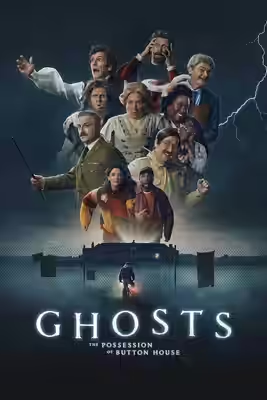
Simon Hynd’s Ghosts: The Possession of Button House is a funny, affectionate continuation with a sensible understanding of its appeal. The ghosts remain the attraction, and Julian’s possession supplies a reason to give them a longer adventure. We recommend it, with a straightforward caveat: this is for anyone happy to spend more time with these characters, rather than anyone demanding that they become substantially different people. Moving to cinema need not involve a personality transplant.
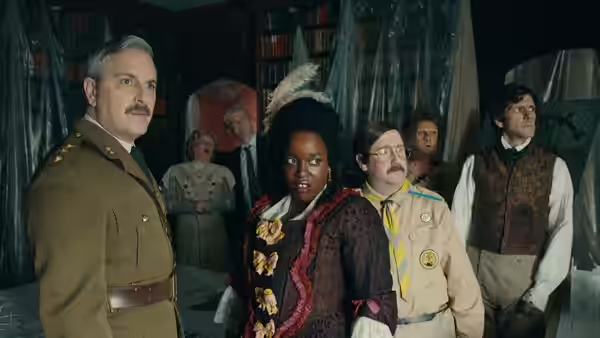
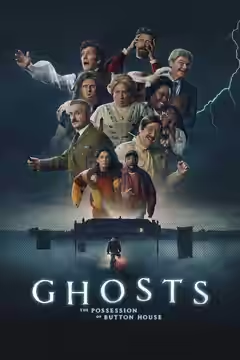
Julian Fawcett (Simon Farnaby) provides the possession plot, which opens up possibilities beyond the familiar sitcom setup. Around him are Pat Butcher (Jim Howick), The Captain (Ben Willbond) and Fanny Button (Martha Howe-Douglas), among an ensemble with enough comic variety to sustain the expansion. Giving an existing character the central complication is a sound choice. The story can grow without requiring a replacement cast to explain why the original one deserved a film in the first place.
Six members of the cast also share the writing credit, a useful arrangement for a comedy so dependent on its performers. The people writing these parts have to play them, and the ensemble remains central to the adventure. We like the cheerful absurdity of giving ghosts a possession problem. It is a concrete, suitably daft reason to return, and it allows the film to broaden its story while keeping the household’s humour and affection intact.
Will Peverett edits a neatly plotted film that mixes comedy with fantasy adventure, giving the ensemble more to sustain than a succession of familiar appearances. Álvaro Gutiérrez handles the cinematography, Andrew Lavin the production design and Sunna Wehrmeijer the music. Button House provides a clear focus for that collaboration: the place matters because of the people associated with it. The steady comedy makes the strongest case for the longer format; recognising the house would not, by itself, be sufficient entertainment.
There is also a welcome route in for newcomers. Previous affection for the sitcom adds something, but the film does not make it a condition of entry, which is important when recognition could so easily substitute for a joke. The ensemble has to be funny before the audience can be expected to care about its return. Here, the silliness gives that affection somewhere to begin, and the warmth makes the adventure worth following beyond its supernatural complication.
The reservation concerns the limits of this particular pleasure. A possession plot offers fresh business, but the film remains committed to preserving the series’ humour and its attachment to these characters. Anyone hoping for a substantial change of tone should adjust that expectation. We would not sell it as a reinvention, and its comfort will be less persuasive to viewers who want their supernatural comedy to unsettle them as much as amuse them.
At 97 minutes, this is a manageable visit, and the genre mixture gives the familiar company a useful change of activity. For a television comedy becoming a film, retaining the ensemble’s appeal is a worthwhile ambition, even if it is not an adventurous one in itself. Choose it for an evening of companionable silliness; there is no entrance examination on the sitcom.