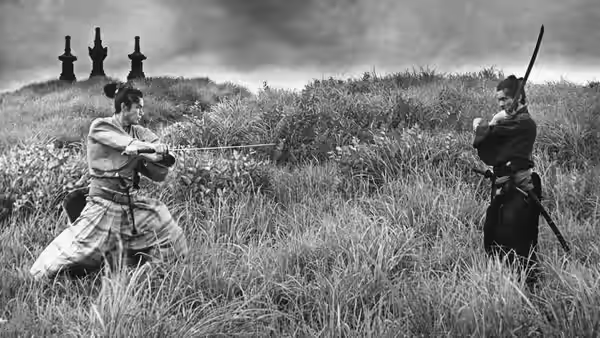
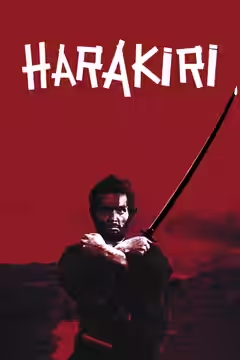
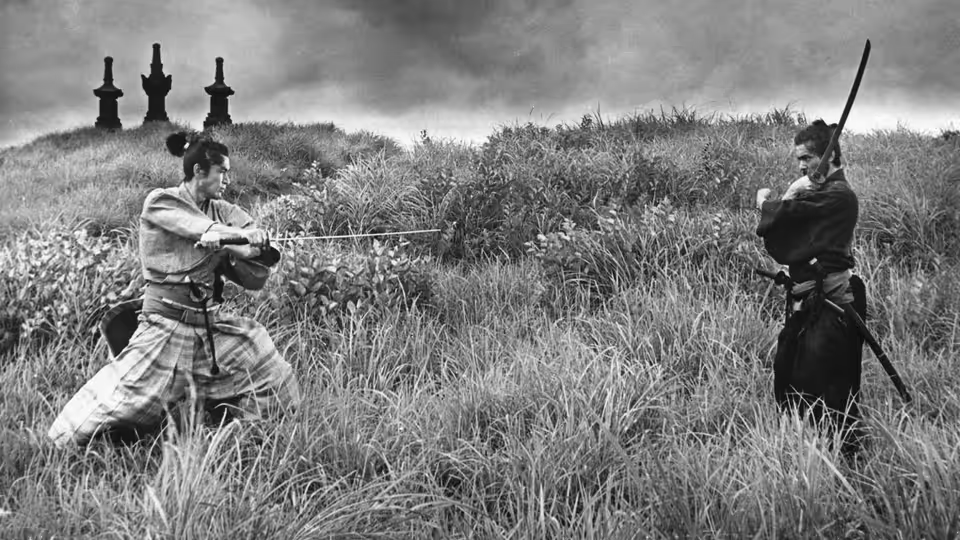
A kneeling samurai aims a bow at a standing opponent on a hillside
Film review

Harakiri

1962 · Directed by Masaki Kobayashi · 2h 15m · MPA NR

In a sentenceThe samurai have rules for everything except treating people decently

Hanshiro Tsugumo (Tatsuya Nakadai) is a ronin caught in a confrontation over samurai honour. His story unfolds through formal encounters and flashbacks, bringing the demands of the code up against the suffering it permits. Akira Ishihama plays Motome Chijiiwa, with Shima Iwashita as Miho Tsugumo and Tetsuro Tamba as Hikokuro Omodaka. As the past comes into view, questions of duty, obedience and personal responsibility shape the conflict. Masaki Kobayashi directs a samurai drama about the people expected to live by these rules and those with the authority to enforce them.

Fi1m review

Masaki Kobayashi’s Harakiri is a harrowing samurai drama, with Tatsuya Nakadai holding our attention through its patient, sometimes demanding storytelling. Its anger at cruelty dressed up as honour is precise, persuasive and difficult to shake.

Masaki Kobayashi’s Harakiri is a samurai drama we would recommend even to someone with little interest in samurai films. It asks what happens when obedience matters more than the person required to obey, and it follows that question with a severity that feels earned. The storytelling takes its time, occasionally more than it needs, but the anger behind it keeps us attentive. Shinobu Hashimoto’s screenplay makes the code of honour something its defenders must answer for.

Tatsuya Nakadai plays Hanshiro Tsugumo, the ronin at the centre of the confrontation. His performance gives the measured exchanges enough pressure that we keep attending to them even when the story seems reluctant to move. His restraint makes us study him, searching for the feeling underneath the controlled manner. Kobayashi allows that performance to hold our attention through the ritual formality, trusting Nakadai with passages that could otherwise become forbidding.

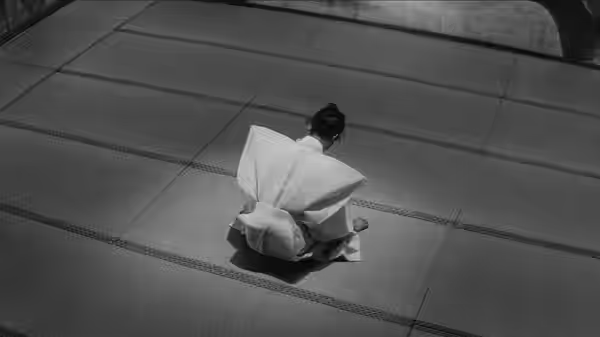
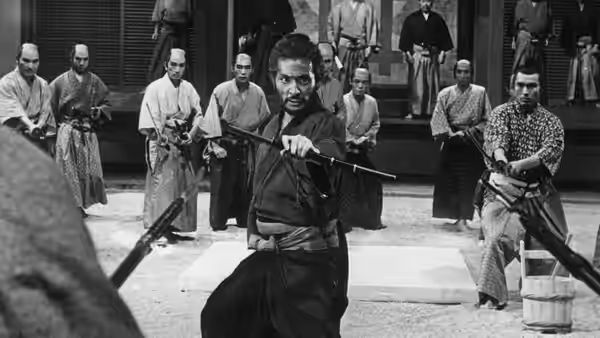
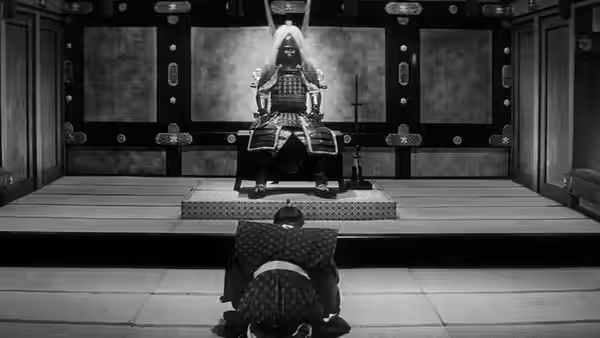
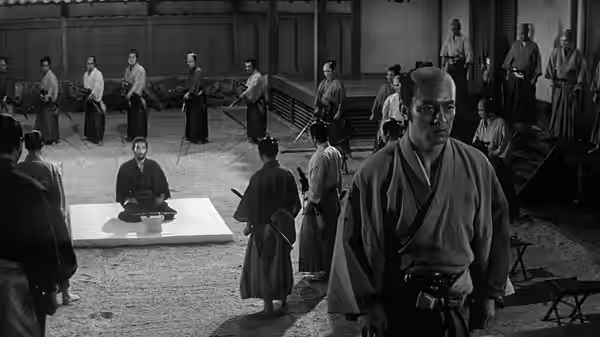
Yoshio Miyajima’s widescreen cinematography gives that formality a visible shape. The width of the frame makes the arrangement of people impossible to ignore. We are encouraged to notice where they are placed in relation to one another and who seems entitled to command the space. The staging makes the code’s defenders look convincing in their own eyes, which matters: simple villains would be easier to dismiss. Kobayashi gives their confidence time to become disturbing.

Hisashi Sagara’s editing puts that ceremonial order alongside flashbacks of suffering, with Akira Ishihama’s Motome Chijiiwa giving the cruelty a particular human cost. We were horrified by those passages, because the pain comes with rules and people prepared to observe them. The film makes us sit with the consequences of the obedience its characters are so ready to defend. Tōru Takemitsu’s music adds to the unease without making that suffering feel grand. Kobayashi’s severity leaves little room for relief.

The cost of this patience is real. Some stretches move slowly enough that we become conscious of waiting for the next piece of information, and the route through the story is not always immediately clear. Hashimoto’s screenplay asks for concentration before all the reasons for that concentration are apparent. A little less insistence in the measured exchanges would make the film easier to enter, although rushing through the flashbacks would damage the force they gather.

Kobayashi’s approach to the samurai film makes the code itself a source of dread. The anger is easy to recognise whenever a cruel decision is defended as proper procedure. At 135 minutes, Harakiri requires a willingness to sit with formal exchanges and painful recollections, and we would give it that time. The performances reward close attention, even when the telling becomes demanding. Give it an evening without distractions, and do not choose it for comfort.

Critical consensus AI synthesised

86
Positive
7
Mixed
0
Negative
0

The reviews are unanimous in their approval, and the praise settles on the same two things. Nearly every critic reads the film as an attack on the samurai code, exposing the cruelty and hypocrisy beneath its rituals, and most find that argument as sharp now as it was on release. Tatsuya Nakadai’s performance as the ronin Hanshiro Tsugumo is singled out again and again, and several critics point to Kobayashi’s control of the widescreen frame and to the way the flashbacks are laid against the present-day ritual so that the tension keeps tightening. Takemitsu’s score gets a mention as well.

The spread is narrow. The one real reservation comes from The New York Times, whose critic admires the visual style and the irony of the revenge but finds the storytelling slow and at times obscure. Variety, otherwise admiring, warns that it is not for the squeamish. Nobody disputes what the film is doing; the only question raised is pace.

RogerEbert.com
15 February 2021
90*

The critic calls Kobayashi’s film the greatest anti-samurai movie ever made, praising its exposure of the hypocrisy and emptiness behind the samurai code and its enduring relevance as an anti-establishment work. They single out the powerful, symbolic imagery—especially the opening and closing shots of an empty suit of armor—and Tatsuya Nakadai’s commanding performance as the ronin Hanshiro Tsugumo.

Read the full review →
Sight and Sound
20 November 2011 · Michael Brooke
90*

The critic calls Harakiri one of the greatest Japanese films for its fierce critique of the hypocritical samurai code of honour. Kobayashi's masterful control of widescreen compositions and tension is singled out, with the ritual staging contrasted against harrowing flashbacks.

Read the full review →
The New Yorker
12 September 2014 · Michael Sragow
90*

The film exposes the cruelty and hypocrisy of the samurai code through a hypnotic story of a ronin seeking vengeance; Nakadai’s performance and Takemitsu’s music are highlights.

Read the full review →
Variety
31 December 1961 · Variety Staff
90*

A stunning somber tragedy raging against militarism and rigid systems; Kobayashi directs with assurance in a technically audacious film with strong acting, though not for the squeamish.

Read the full review →
Slant Magazine
5 October 2011 · Budd Wilkins
85*

The critic describes Kobayashi’s film as a riveting and ruthless critique of the corrupt samurai honor code from its inception, praising its intricate structure with present-past flashbacks that build tension like time bombs and its powerful social commentary.

Read the full review →
The New York Times
5 August 1964
70*

The critic finds the film a somber, measured samurai tale with ironic revenge and striking visual style, though the narrative can be slow and obscure.

Read the full review →

Straight answers AI written, from our review

Is Harakiri worth watching?
Harakiri is worth watching for anyone prepared to give a slow, formal samurai drama an evening of full attention, and we scored it 91. Tatsuya Nakadai holds the long, measured exchanges together, and the flashbacks of suffering horrified us. Some stretches move more slowly than they need to, so do not choose it for comfort or for a distracted night.
How long is Harakiri, and what is it rated?
Harakiri runs 2h 15m and is rated NR by the MPA in the US. It is an action and drama film.
Where can I watch Harakiri in the US?
Harakiri is available to rent from Amazon Prime Video and Apple TV from $3.99. Availability is checked daily; the links above go straight to each service.
How does Harakiri compare to Paths of Glory?
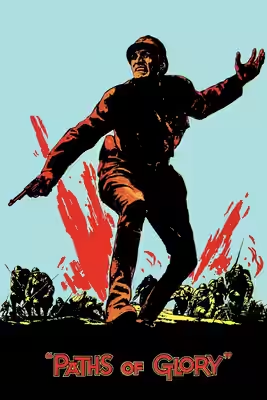
Harakiri and Paths of Glory are both furious films about obedience, in which cruelty is defended as proper procedure. Kobayashi’s film is the slower and more formal of the two, asking for patience before its anger becomes clear, while Kubrick’s is more direct and occasionally presses its speeches too hard. We recommend both, and Paths of Glory is the easier to enter.
Is Harakiri based on a true story or a book?
Harakiri is based on a novel by Yasuhiko Takiguchi, not on a true story. Shinobu Hashimoto’s screenplay makes the samurai code of honour something its defenders must answer for, and the film stands entirely on its own. You do not need to know the book, or anything about samurai films, to follow it.
What should I watch after Harakiri?
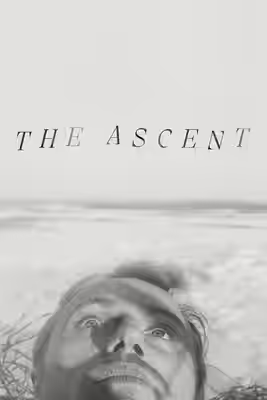
After Harakiri, try Paths of Glory (1957, Fi1m 93): Military ceremony and official cowardice meet in another furious examination of obedience. Then The Ascent (1977, Fi1m 88): A wartime ordeal that tests conscience without making suffering comfortable to watch; and A Separation (2011, Fi1m 93): Competing duties and carefully withheld information turn a family dispute painfully consequential.

Cast

If you liked this, try…

  1. Samurai Rebellion (1967) · not reviewed yetAnother household finds samurai obedience intolerable once the rules become personal.

  2. Paths of Glory (1957, Fi1m 93)Military ceremony and official cowardice meet in another furious examination of obedience.

  3. The Ascent (1977, Fi1m 88)A wartime ordeal that tests conscience without making suffering comfortable to watch.

  4. A Separation (2011, Fi1m 93)Competing duties and carefully withheld information turn a family dispute painfully consequential.

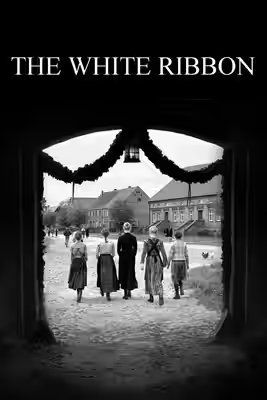
  5. The White Ribbon (2009, Fi1m 86)Rigid authority shapes everyday cruelty in a community certain of its own virtue.

Free account

Know what to watch tonight

Two lists that know where things are streaming, collections you can share, your own score beside ours, and Discover that remembers what you have seen.

  • Want to see, sorted by what is streaming now
  • Seen, with your score out of ten
  • No adverts, ever