Critics’ reviews

Jacob's Ladder (1990)

14 reviews from 14 publications. Critics’ score 67: 10 positive, 2 mixed, 2 negative.

Back to our review of Jacob's Ladder

67
Positive
10
Mixed
2
Negative
2

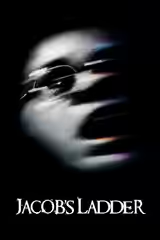
Most critics like Jacob’s Ladder, and the praise gathers around the same things. Adrian Lyne’s direction is credited with a hallucinatory dread that is hard to shake off, and several reviews single out the practical effects, particularly the low-frame-rate shuddering of the film’s demons, as the reason the visions still unsettle. Tim Robbins is widely found credible and sympathetic as a Vietnam veteran coming apart, with Elizabeth Peña often named alongside him. The hospital sequence draws the most specific admiration. Even the reservations tend to concede that the film is frightening.

The spread is wide, from warm to hostile. The doubts cluster on the plotting: reviewers call it messy, overambitious or sentimental, and a few find the spiritual framing pretentious and the developments telegraphed. Time matters here. The harshest verdicts come from Variety and the Los Angeles Times on release, while later reappraisals from Paste and Collider are among the most enthusiastic, treating it as a singular experiment rather than a muddle.

RogerEbert.com
2 November 1990 · Roger Ebert
85*

The critic finds the film powerfully evokes a paranoid-schizophrenic mental state through its hallucinations and Vietnam trauma themes, highlighting the effective direction, writing, and lead performances by Tim Robbins and Elizabeth Peña despite its painful and depressing tone.

Read the full review →
Little White Lies
11 November 2018 · Steve Timms
80*

The critic praises the film's enduring influence as a metaphysical arthouse horror about a traumatized Vietnam veteran experiencing nightmarish visions, crediting its innovative low-frame-rate effects and strong performances by Tim Robbins and Elizabeth Peña for making its spiritual themes persuasive and distinctive.

Read the full review →
The AV Club
6 June 2018 · Clayton Purdom
80*

The critic praises the film's subtle dream logic and artistic influences while highlighting its masterfully realized hospital horror sequence as a standout that secures its cult status despite structural unevenness.

Read the full review →
The New York Times
2 November 1990 · Janet Maslin
70*

The critic finds the film slick, riveting and viscerally scary in its treatment of death, praising its potent visual representations of terror and Hollywood mysticism. She notes that the director sometimes falls back on broad hints and conventional horror effects that weaken the spell.

Read the full review →
Time Out
10 September 2012 · SGr
70*

The critic finds the film messy and maddening in places yet truly scary and unsettling, never reducible to a mere war or horror story. They single out Adrian Lyne’s giddying direction for conjuring horrifying hallucinogenic power from the protagonist’s bad-trip hell.

Read the full review →
Slant Magazine
14 September 2010 · Chris Cabin
65*

The film is a cerebral oddity in Lyne's career, blending war movie, character study, art film, and horror elements into an emotionally draining phantasmagoria about dreams, death, and grief. It is not a great film due to familiar scenes and sentimentality but stands as Lyne's best, thanks to practical effects and strong location shooting.

Read the full review →
Empire
1 January 2000 · Ian Nathan
50*

The film wavers between profound meditation on death and pretentious fever-dream, with powerful images but overly ambitious plotting that feels like a chore. It sticks with the viewer for contemplating the transition into death despite its flaws.

Read the full review →
Los Angeles Times
2 November 1990 · Peter Rainer
30*

The critic argues that the film offers too many unresolved pieces and lacks psychological resonance, with its multi-layered weirdness working only on a basic horror level. He praises some effective mood-setting sequences like the subway descent but criticizes the bludgeoning visuals and lack of subtlety.

Read the full review →
Variety
31 December 1989 · Variety Staff
30*

The critic calls the film dull, unimaginative and pretentious, faulting the script for telegraphing developments and inserting supernatural elements that elicit unintended giggles.

Read the full review →
Collider
6 September 2010 · Gil Kellerman
90*

The critic praises the film as a haunting, emotionally exhausting descent into hallucinatory madness with a earned twist ending and a spiritual message about consciousness and peace. Lyne and Rubin's script create perpetual unease and dread through implied horrors and practical effects.

Read the full review →
Paste
10 October 2024 · Jim Vorel
90*

The critic calls it a novel, viscerally compelling psychological horror experiment that remains singular decades later, anchored by an empathetic Tim Robbins performance in a distressing journey through trauma with a kernel of hope. They single out the innovative unsettling practical effects that heighten the descent into madness and the seedy, alienating New York setting.

Read the full review →
Eye for Film
9 March 2003 · Angus Wolfe Murray
80*

The critic praises the film's integrity and avoidance of cheap tricks in its psychological thriller framework, highlighting Adrian Lyne's control of horror techniques and Tim Robbins' credible performance as a man whose search for answers feels deeply personal.

Read the full review →
Polygon
2 November 2025 · Jesse Hassenger
70*

The review argues the film holds up as an effective Twilight Zone-style hybrid of war drama and horror, with its mood-heavy approach, slick '80s visuals, and twist ending making it a distinctive time capsule. It singles out the non-traditional outlook on Vietnam and the way practical effects and psychological blurring enhance the purgatorial narrative.

Read the full review →
The Ringer
21 August 2019 · Manuela Lazic
70*

The piece examines the film's enduring fascination as profound schlock, crediting Adrian Lyne's sensual, body-focused direction for blurring dream and reality through tactile pain and grotesque visions. It singles out the erotic-horror elements and the way physical sensations anchor Jacob amid uncertainty and trauma.

Read the full review →

Ordered by the weight we give each publication, then by score. Scores are normalised to 100; * means inferred from an unrated review. Summaries are ours, not quotations; follow the links for the reviews themselves. How we rate