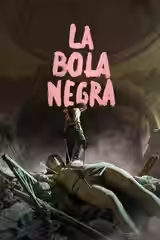
Most critics are won over: nine of twelve reviews are positive and none negative. The praise settles on the same things: the confidence with which the directors braid three queer storylines across 1932, 1937 and 2017, the operatic, maximalist style that treats melodrama as a virtue, and the sheer handsomeness of the images. Several single out the editing and the score, and the performances are widely admired, Penélope Cruz’s among them. Its reworking of Lorca’s unfinished play as a way of honouring Spain’s persecuted queer histories is the note struck most often.
The reservations gather around scale. The doubters find it sprawling and undisciplined, with ponderous stretches, clunky dialogue and characters who stay flat. Variety is the coolest, calling it distended and overblown, while Screen Daily and Vulture sit in the mixed middle for similar reasons. Even admirers note that explaining how the three strands connect costs the film some mystery. The spread is wide, but nobody dislikes it.