Javier Ambrossi and Javier Calvo take Lorca’s unfinished play and build three love stories across 1932, 1937 and 2017. It is handsome, heartfelt and far too pleased with itself, and at 155 minutes it explains what it should have let us feel.
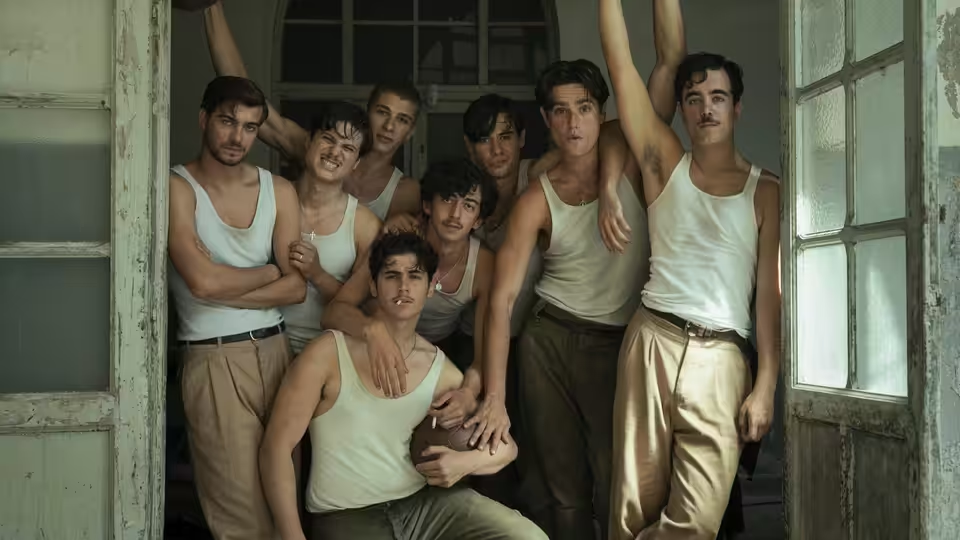
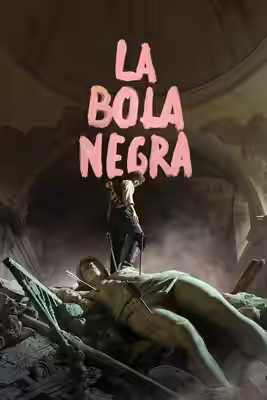
Federico García Lorca wrote La bola negra and did not live to finish it. Javier Ambrossi and Javier Calvo, who wrote, directed and produced this film, have finished it for him in the most expansive way available: three love stories between men, one in 1932, one in 1937, one in 2017, cut together so that each keeps breaking into the others. Lorca himself turns up, played by Alberto Cortés. The idea is clear and good. What was hidden in one Spain is lived in the open in another, and the film wants us to feel the whole distance at once. It runs 155 minutes, there is a great deal to admire in it, and it does not know when to stop.
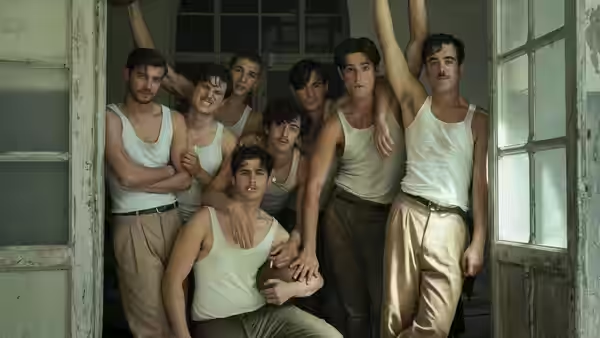
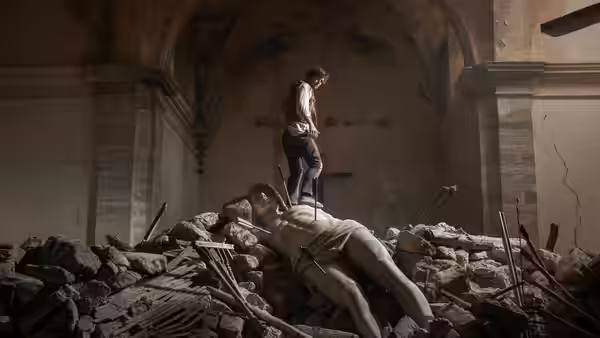
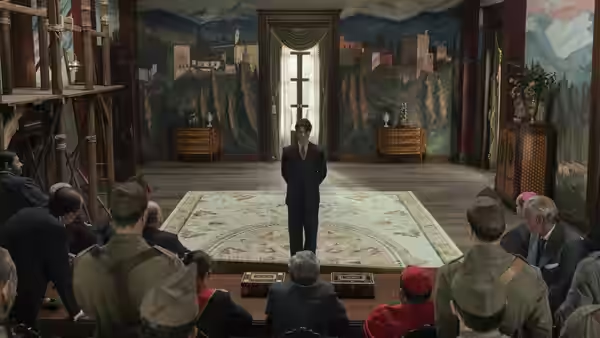
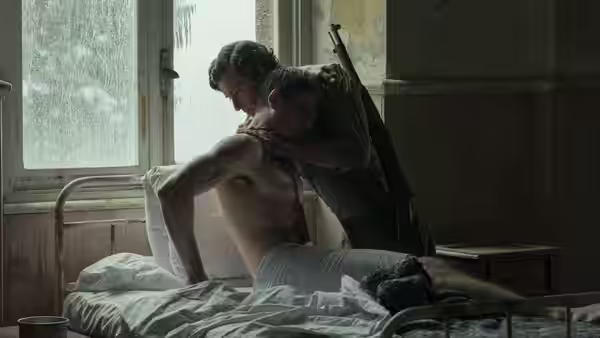
The look is the first thing you notice and the thing most critics have led with. Gris Jordana moves the camera as though it were one of the dancers, and the joins between eras are made on movement rather than on a fade, so a gesture begun in one year finishes in another. Roger Bellés dresses each period down to the last glass on the last table. The trouble is that everything is so clean. Nobody in 1937 looks as though they have slept in their clothes or missed a meal, and a war is going on. Bellés has built three beautiful rooms when one of them needed to be ugly.
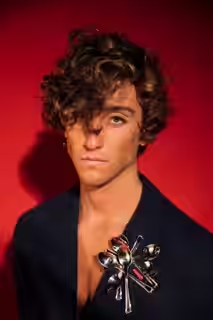
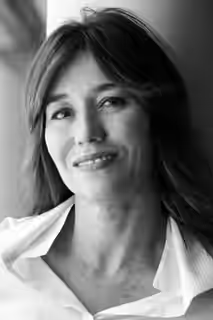
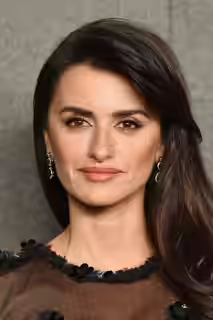
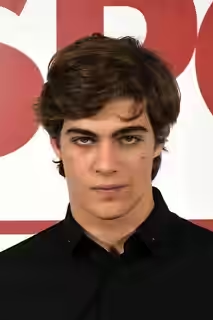
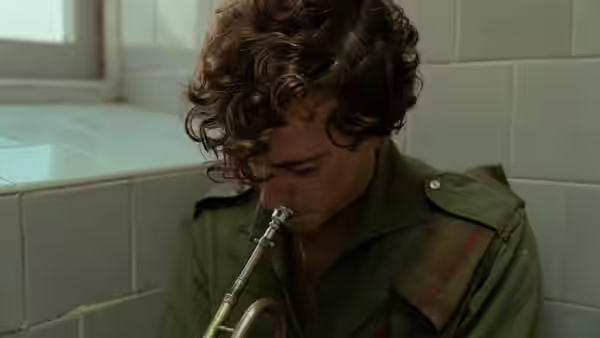
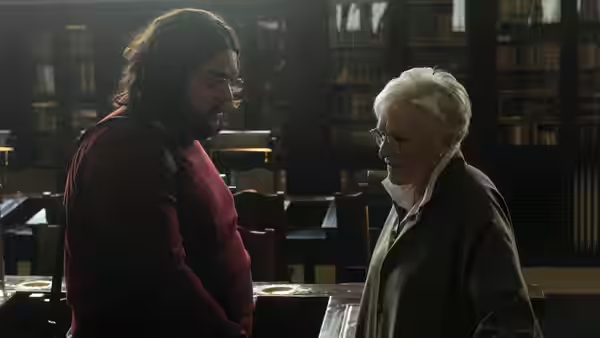
The cast is large and the film is generous to it. Guitarricadelafuente, as Sebastián, is the discovery: he has a stillness the film around him does not, and when the camera finally stops moving it is usually to look at him. Miguel Bernardeau gives Rafael more heat than depth, which may be the part. Penélope Cruz plays Nené Romero with the control the picture lacks elsewhere; she can stand in a doorway and let a scene happen to her. Lola Dueñas, as Teresa, is the one performer here who seems to know how tired her character is. Glenn Close speaks softly as Isabelle Durand and is given a role that asks more of her than it gives back.
We were moved, more than we expected to be, in the passages with Cortés’s Lorca. He is on screen for very little of the running time, and the directors have the sense not to make him quotable. He watches, he writes, he is afraid, and the film is at its best when it borrows his restraint. Then it hands the point to somebody else to say out loud, and we sat there having felt something and being told, a minute later, what it was.
That is the film’s real flaw, and it grows in the last hour. Ambrossi and Calvo have built three strands whose connections are half the pleasure, and then they explain the connections. Alberto Gutiérrez’s cross-cutting is quick and confident early on, when we are allowed to work out for ourselves who echoes whom. Late in the film the cutting slows down to make sure we have got it. Raül Refree’s score, which is handsome and sparingly used for an hour, arrives in the finale to underline every rhyme the editing has already made. Some of the warmer reviews call this a small loss. We think it is the main one.
The comparison everyone will reach for is Almodóvar, and it is fair up to a point. This is Spanish melodrama that is not embarrassed to be melodrama, with women in strong colours and men who cannot say what they mean. The difference is that Almodóvar’s films, even the long ones, feel edited by someone who wanted to go home. This one feels edited by people who loved every take, and the two mixed reviews it has had are right about that, if not about much else. The cast alone would carry a film forty minutes shorter.
We would still send you to it, with one instruction. See it in a cinema if one is showing it. On a big screen the excess is at least an experience, the three eras arrive like weather, and Cruz and Guitarricadelafuente are worth the size. At home, 155 minutes becomes 155 minutes.