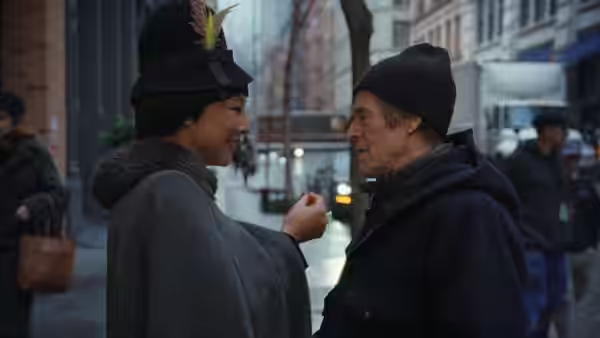
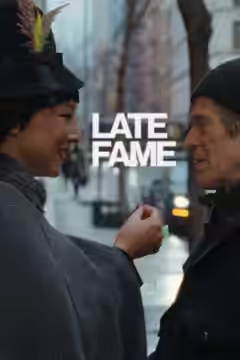
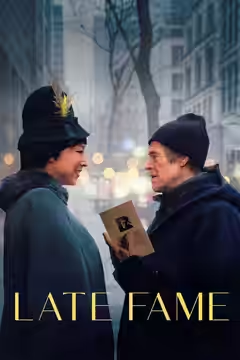
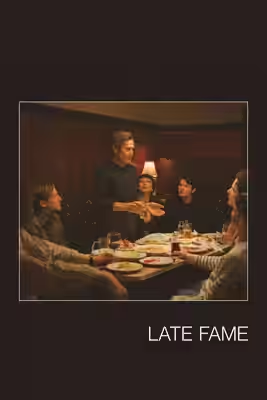
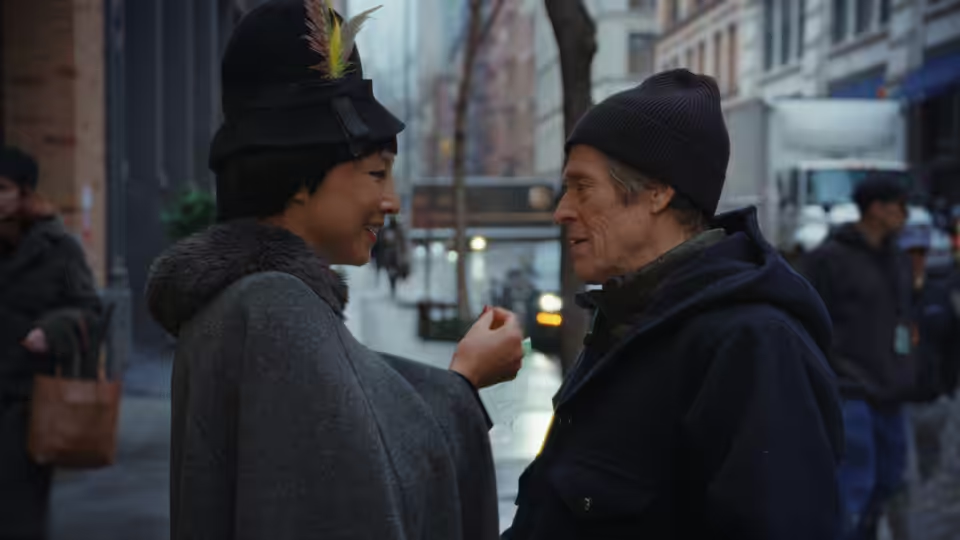
Gloria (Greta Lee) speaking with Ed Saxberger (Willem Dafoe) on a city street
Film review

Late Fame

2026 · Directed by Kent Jones · 1h 37m · MPA NR

In a sentenceWillem Dafoe makes being adopted by literary nuisances look almost worth the trouble

In contemporary New York, Ed Saxberger (Willem Dafoe), an ageing poet whose writing has slipped from notice, finds an audience among a younger crowd of aspiring artists. Their interest draws him into literary company and back towards a part of his life he has left behind. Among the people he encounters is Gloria (Greta Lee), an actress whose theatrical manner differs from Ed’s reserve. As the group offers him recognition, Ed begins to reconsider his place among writers who want to be noticed themselves, and what it might mean to think of himself as a poet again.

Plays from YouTube when you press play; nothing loads from them until then.

Fi1m review

Willem Dafoe gives this gentle drama about a rediscovered poet a warmth its younger characters do not always earn. We recommend it for the performances, with patience required for the mildness of its literary satire.

Kent Jones’s Late Fame is a good, gentle drama with a performance from Willem Dafoe that makes its modest stakes matter. Ed Saxberger is an ageing poet whose rediscovery by younger writers offers him another chance to be noticed. The question is how much he needs that attention, and how readily he will accept the company that brings it. Jones and screenwriter Samy Burch understand the temptation, though their kindness sometimes lets the younger admirers off with being amusingly pretentious.

Dafoe gives Ed enough reserve for his pleasure at this recognition to feel earned. There is no need to make the man helpless or saintly, and Dafoe avoids both. We were moved by his response to the younger crowd’s admiration, because he makes the wish to be taken seriously so ordinary and so difficult to resist. The performance gives us reason to care about Ed before we have formed any opinion about his poetry. That is essential to a story whose audience may have limited patience for literary self-importance.

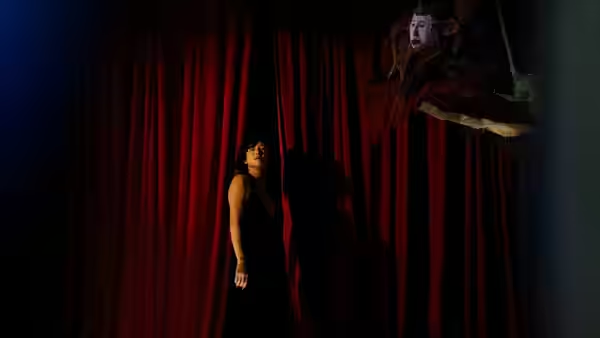
Greta Lee’s Gloria, an actress, supplies a more conspicuous kind of self-presentation. Her theatricality is funny alongside Dafoe’s composure, but Lee makes the effort of being memorable seem tiring as well as faintly ridiculous. She gives Jones’s sympathy something to work on: Gloria can be tiresome without becoming a disposable joke. The trouble comes with the younger artists around them, who are too often defined by their wish to be artists. Burch finds their affectations more readily than their differences.

Wyatt Garfield’s cinematography gives lower Manhattan enough character to make the film’s attachment to it understandable. We can believe that this place helps keep an idea of the literary life alive. Tommaso Ortino’s production design supports that feeling of an artistic circle attached to the past, though the nostalgia itself goes largely unexamined. We remain unconvinced that these fading literary habits deserve quite so much affection.

At 97 minutes, the film is hardly an ordeal, but its easy pace sometimes becomes an excuse to linger over familiar behaviour. Mike Selemon’s editing gives Dafoe’s performance room to develop, while doing less for the thinner supporting parts. Don Fleming’s music is well judged for a drama on this scale, though the actors supply its most affecting moments. The two leads make spending time with these people considerably easier.

Jones is attempting something harder than laughing at people who talk about writing. He wants us to understand why recognition appeals even to people who know its limits, and why calling oneself an artist can become a way of belonging. The film is perceptive about Ed’s susceptibility and less precise about what the younger group wants from him. Its generosity works whenever Dafoe or Lee gives it a recognisable human need; elsewhere, we wanted Burch to press a little harder.

Among dramas about artists, Late Fame has the sense not to require us to certify its central figure as a genius. Ed’s wish to matter is sufficient, and Dafoe makes it feel like something we might recognise in ourselves. That keeps the film worth an evening even when the satire settles for a fond smile. Give it an evening when two fine performances will be enough.

Critical consensus AI synthesised

75
Positive
13
Mixed
1
Negative
1

Most critics respond warmly to Late Fame, praising its tenderness towards artistic ambition, self-delusion and the wish to be recognised. Willem Dafoe’s restrained performance as a rediscovered poet draws the most consistent praise, while Greta Lee’s theatrical energy provides a contrast that several reviews particularly enjoy. Kent Jones’s gentle, observant direction also wins approval for finding humour in New York’s literary circles without treating the people in them with contempt.

The main disagreement concerns whether that gentleness leaves the drama short of bite. Some otherwise favourable reviews note narrative stumbles, thinly drawn young artists or insufficient tension; Time Out finds the film reluctant to commit to its tragic, comic or feel-good possibilities. The spread extends from strong enthusiasm to outright disappointment: Little White Lies finds the dialogue unilluminating and the nostalgia grating, rejecting the fondness that most critics regard as a strength.

The New Yorker
7 August 2026 · Justin Chang
85*

The critic finds the drama exquisitely wry and melancholic, with Jones turning characters’ foibles and pretensions into acts of tenderness. He singles out Dafoe’s finest performance in years for its trek from bliss to disillusionment and odd contentment.

Read the full review →
The AV Club
4 August 2026 · B+ · Tim Grierson
83

The critic finds it a tender, bittersweet drama led by Dafoe's tender performance, praising its exploration of self-delusion, generational divides, and the desire for recognition, though noting some narrative stumbles.

Read the full review →
Empire
4 September 2026 · Emily Maskell
80*

The critic praises the film as a low-key but moving intergenerational portrait of ambitious writers in contemporary New York. Dafoe’s grounded performance is highlighted as a compelling treat that clashes effectively with Greta Lee’s theatricality.

Read the full review →
Radio Times
1 September 2026 · ★★★★ · Tom Dawson
80

This observant character study, transposed to contemporary New York, treats its characters with compassion and features impressive performances, especially from Willem Dafoe as the rediscovered poet. It notes the amusing pretensions of the young aesthetes without dismissing their nostalgia.

Read the full review →
The Guardian
2 September 2026 · Peter Bradshaw
80*

The critic praises this elegant, smart and literate adaptation as a tonic with marvellous tenderness and generosity, highlighting Willem Dafoe’s intelligent and self-possessed performance as the ageing poet.

Read the full review →
Variety
30 August 2025 · festival review · Owen Gleiberman
80*

The critic finds the film lyrical and enchanting, praising Jones’s naturalistic style driven by curiosity that reveals the humanity of everyone onscreen. He singles out Dafoe’s performance as a slowly unfolding wildflower that conveys buried yearning and resilience.

Read the full review →

Straight answers AI written, from our review

Is Late Fame worth watching?
Late Fame is worth watching for two fine performances in a gentle drama about an ageing poet rediscovered by younger admirers, and we scored it 78. Willem Dafoe gives Ed Saxberger's wish to be taken seriously an ordinary, hard-to-resist quality, and Greta Lee is funny and tiring in the right proportions. Its literary satire is mild and the younger characters are thinly drawn, so it suits patient viewers rather than anyone wanting sharpness.
How long is Late Fame, and what is it rated?
Late Fame runs 1h 37m and is rated NR by the MPA in the US. It is a drama film.
Where can I watch Late Fame in the US?
Late Fame is available to buy from Amazon Prime Video from $14.99. Availability is checked daily; the links above go straight to each service.
How violent or frightening is Late Fame, and is it suitable for children?
Late Fame is a quiet drama with no violence or frightening material that we noted, and it carries a UK 15 certificate. It concerns an ageing poet, a group of aspiring artists and a good deal of talk about writing, which is more likely to bore children than upset them. Its adult certificate reflects mature themes and language rather than anything alarming, so it suits older teenagers and adults.
How does Late Fame compare to Poetry?
Late Fame is the gentler and slighter of the two, a fond study of an ageing poet enjoying renewed attention, while Poetry is a more troubling drama about a grandmother learning to write as illness and her grandson's wrongdoing close in. Lee Chang-dong's film asks more of its audience and rewards it more deeply. Choose Late Fame for warmth and Dafoe; choose Poetry for something that stays with you.
What should I watch after Late Fame?
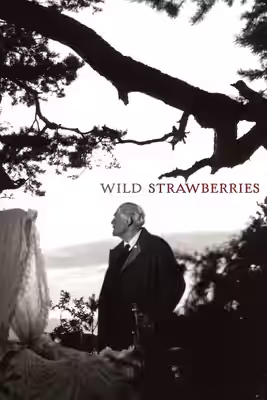
After Late Fame, try Poetry (2010, Fi1m 87): A more troubling examination of what writing can offer an older life. Then Wild Strawberries (1957, Fi1m 88): Ageing and recognition receive a sterner examination, with room for tenderness; and The Station Agent (2003, Fi1m 82): Another quiet character study that understands the inconvenience of finding company.

Cast

If you liked this, try…

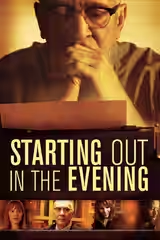
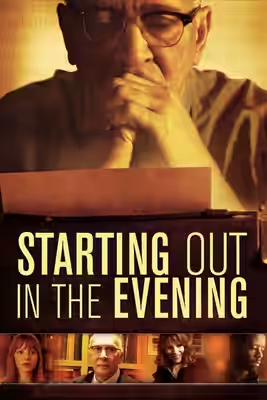
  1. Starting Out in the Evening (2007) · not reviewed yetAnother older writer discovers how unsettling a young admirer’s attention can be.

  2. Poetry (2010, Fi1m 87)A more troubling examination of what writing can offer an older life.

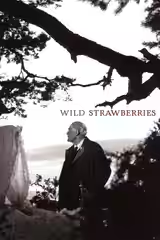
  3. Wild Strawberries (1957, Fi1m 88)Ageing and recognition receive a sterner examination, with room for tenderness.

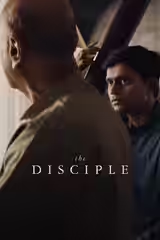
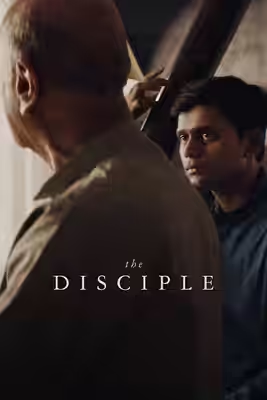
  4. The Disciple (2020) · not reviewed yetFor a less forgiving account of artistic ambition and the need for approval.

  5. The Station Agent (2003, Fi1m 82)Another quiet character study that understands the inconvenience of finding company.

Free account

Know what to watch tonight

Two lists that know where things are streaming, collections you can share, your own score beside ours, and Discover that remembers what you have seen.

  • Want to see, sorted by what is streaming now
  • Seen, with your score out of ten
  • No adverts, ever