Vertov’s silent day in a Soviet city is still the quickest lesson there is in what a camera and a cutting bench can do. It is also propaganda, and it tires before it finishes. See it anyway, and see where the tricks came from.
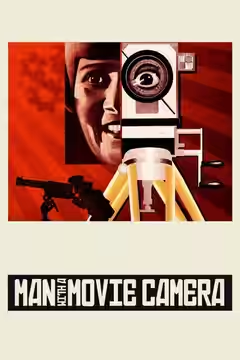
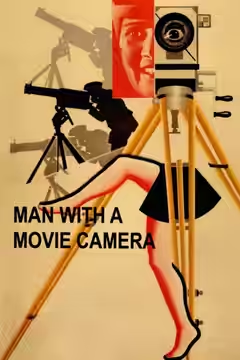
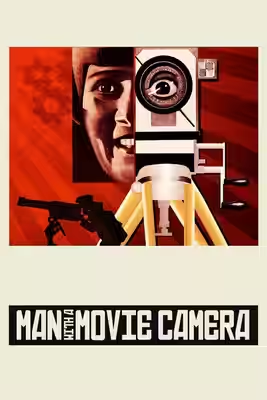
Dziga Vertov opens with a promise most films would not dare make: no titles, no story, no actors, no sets. What follows is a day in a Soviet city, dawn to dusk, shot by Mikhail Kaufman and Gleb Troyanski and cut by Elizaveta Svilova, in which the only recurring figure is the man carrying the camera. Vertov believed the lens saw better than the eye and wanted 68 minutes of proof. He got it. It was made in 1929 and it is still the fastest demonstration of what film can do that we know of. It is also a piece of state advertising, and by the last third it has started to repeat itself.
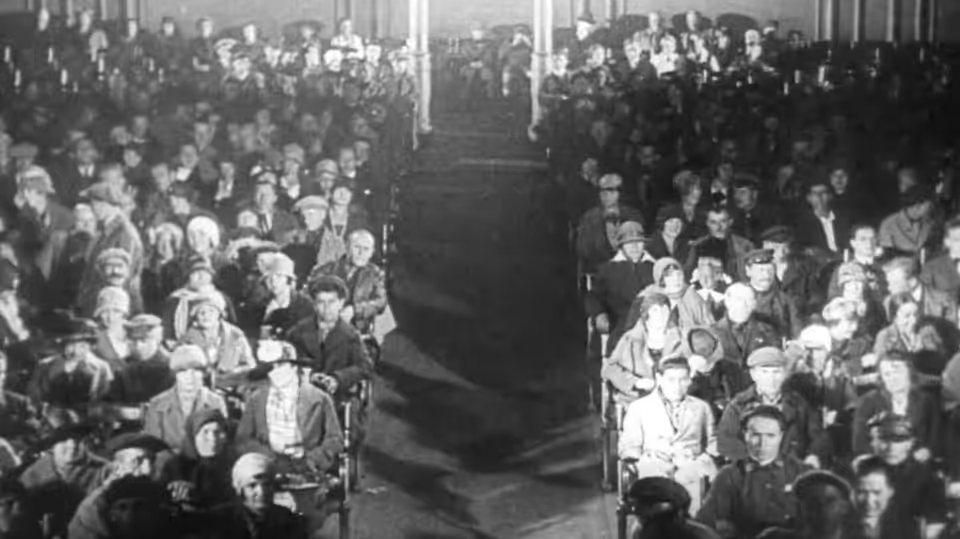
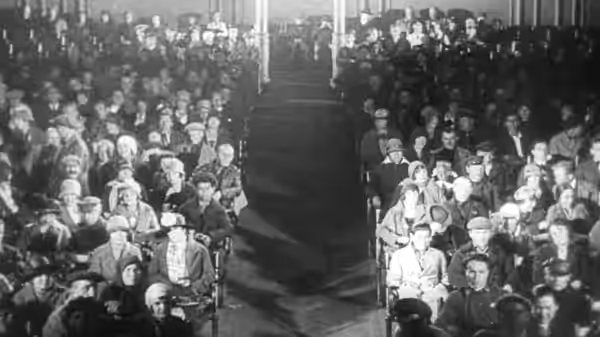
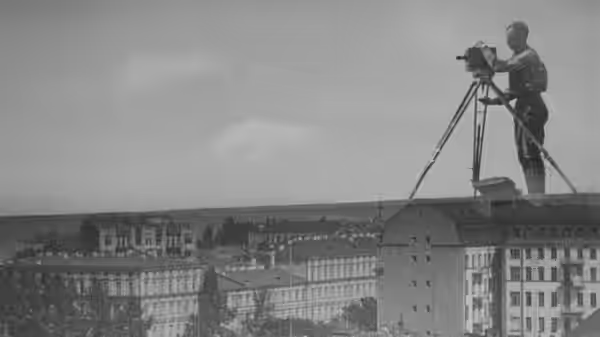
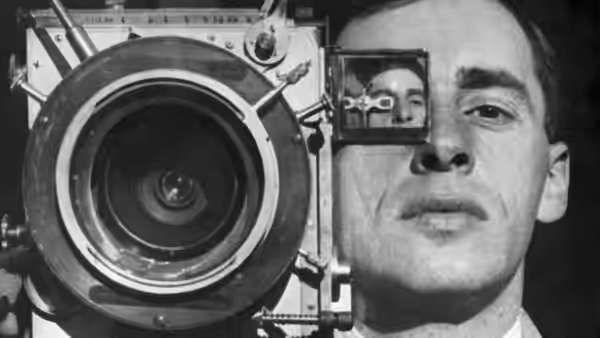
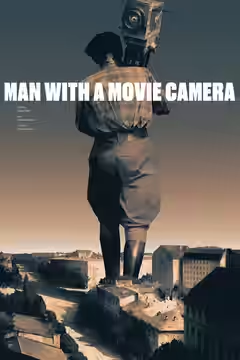
The first ten minutes are the film’s best. Kaufman climbs out of the top of a camera the size of a building. A cinema stands empty; the seats fold down on their own, and the audience arrives to fill them. The projectionist threads the reel, the orchestra lifts its bows, and the film we are watching begins inside the film we are watching. Then Kaufman shoots the city before it is awake: a woman sleeping, mannequins in shop windows, a tramp on a bench, empty tramlines. He frames the dummies and the sleepers the same way, and for a minute you cannot tell which is which.
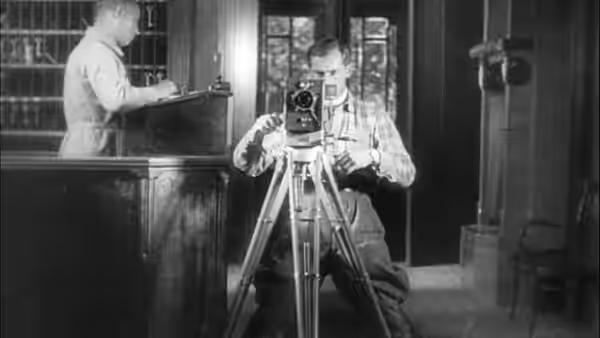
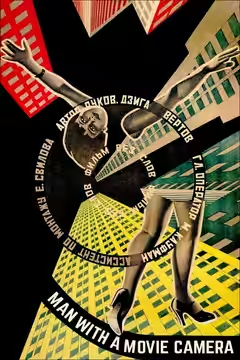
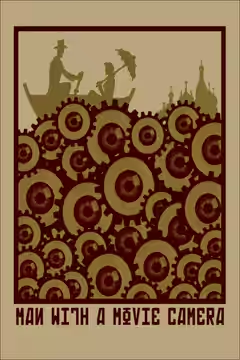
The editor is the star, and Vertov knows it. Svilova appears at her bench, sorting strips of film into pigeonholes, and the picture stops so that we can watch her work. Before that she has cut a woman’s blinking eyes against a set of window blinds, so that the city seems to open its eyelids. She has laid an eye over a lens so the two blink together, split the screen and sent one tram through another, frozen a galloping horse mid-stride and turned it into a frame on her table. We grinned like fools through all of this, which is not our habit. What did it was the speed. Svilova cuts faster than most films do now, and every cut is a joke or an argument, usually both.
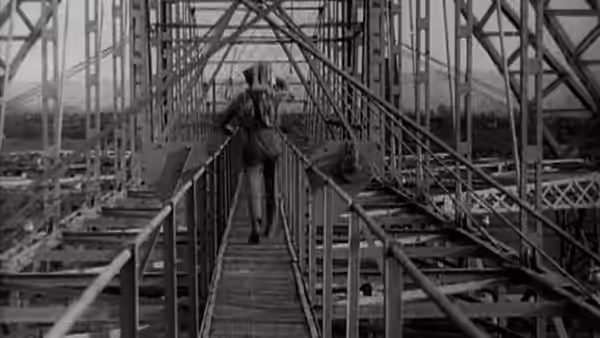
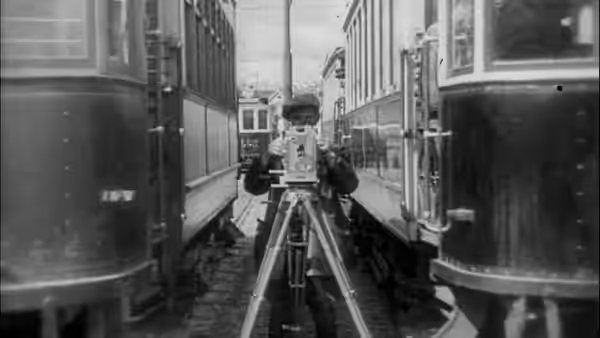
Kaufman, on screen, is stuntman and clown. He lies between the rails while a train passes over him, hangs off a moving car with his tripod, straddles a chimney, rides a bucket down a mine. The point, made and remade, is that the camera can go anywhere a body can and several places a body cannot. Troyanski shares the photography credit, and the film never says which shots are whose.
Now the caveat. This is a Soviet film and it sells the state as hard as any poster. Everyone works, everyone works cheerfully, and the pistons and the typists and the women at the switchboard all move to the same beat, because Svilova has cut them to it. The only unhappy people in it are a drunk and a beggar, and both are there to be laughed at. We did not believe the city, and we do not think you should, though the film is so pleased with itself that disbelieving it feels churlish.
It also tires. Somewhere past the fortieth minute, with another factory floor cut against another crowd, we caught ourselves waiting for the next trick instead of watching the one in front of us, and then felt ashamed, because Kaufman had plainly risked his neck for it. The closing minutes pick the pace up again, in a way we will leave you to find, but the stretch before them is the price of admission. It is silent, too, and the music will have been added decades later; the copy that reached British cinemas on 31 July 2015 has one score and older discs have others. If yours fights the cutting, turn it down.
The tagline on the restoration calls this the greatest documentary ever made. We distrust that kind of sentence on sight, and here we distrust the noun as well. It is not a documentary in the sense the word now carries, because the city in it does not exist; it was cut together from three. It is a demonstration, 68 minutes long, of a machine working out what it is for. Watch it in one sitting with the lights off, and count how many of its tricks you have since seen in adverts.