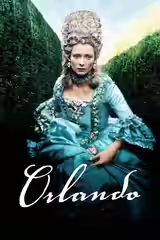
Most critics admire Sally Potter’s adaptation of Virginia Woolf’s novel, and the praise gathers around Tilda Swinton. Her androgynous, unhurried turn as the immortal Orlando, speaking straight to the camera, is named again and again as the thing that holds four centuries of English history together. The sets and costumes come next: the reviews describe a lavish, witty pageant, playful rather than solemn about gender, and many think it has aged well since 1992.
The reservations are about depth. Several critics feel the film raises ideas about sex, gender and eternal youth and then does little with them; Empire finds the insights slighter than the images promise. Two go further. The Los Angeles Times calls it all chic set design and posturing, with the early scenes around Quentin Crisp’s Queen Elizabeth the only ones with wit, and Eye for Film finds the story incidental to the pictures. The spread is wide, but the admirers are a clear majority.
I
IndieWire
19 July 2010 · Eric Kohn
90*
Decades later Sally Potter’s gender-defying saga still holds up as a unique cinematic achievement. Tilda Swinton’s century-spanning performance remains a wonder to behold.
Read the full review →L
Little White Lies
12 March 2022 · Sam Moore
90*
The film is a powerful study of self-identity and gender presentation that challenges binary norms through its protagonist's centuries-spanning journey and direct address to the camera. It singles out the visual parallels, mirrored dialogue, and final self-aware moments for praise as they reveal Orlando's transcendence of expectations.
Read the full review →S
Slant Magazine
19 July 2010 · Matthew Connolly
90*
The critic praises the alignment of Woolf’s novel, Potter’s direction, and Swinton’s performance in this 1992 adaptation. They highlight the film’s light touch with gender-as-performance themes, formal flourishes like direct address and panning shots, and Swinton’s empathetic central turn as the standout element.
Read the full review →N
The New York Times
6 June 1993
90*
Potter's adaptation is a delicious fantasy rooted in social history that belongs as much to the director as to Woolf. It is a triumph of intelligent, lyrical, and argumentative filmmaking.
Read the full review →F
Film Comment
11 April 2018 · Michael Koresky
85*
The critic praises Sally Potter’s 1992 adaptation as a classic of New Queer Cinema that captures the novel’s themes of gender fluidity, immortality, and freedom from the past through Tilda Swinton’s androgynous performance. It singles out the film’s inventive handling of Orlando’s gender transformation and its modern, empowering conclusion as particularly effective.
Read the full review →G
The Guardian
9 March 2023 · Peter Bradshaw
85*
The critic calls the re-release a dreamy, swoony reverie of shapeshifting sexual identity that remains trance-inducingly strange. Swinton's magnetic, insouciant performance is singled out as the film's enduring strength.
Read the full review →T
Time Out
17 November 2015 · WH
85*
The film is a beautiful historical pageant spanning 400 years of English history, filled with visual and aural pleasures, sly jokes, insights and romance. It is a critical work made in the spirit of a love poem to both Woolf and England.
Read the full review →I
The Independent
12 March 1993
80*
The critic finds Potter has refashioned Woolf's odd literary fantasy into an original, deeply enjoyable film that blends period drama and art-movie traditions elegantly and wittily. Visual gorgeousness, a light playful touch, and an irresistible exhilaration are singled out for praise.
Read the full review →T
The Times
28 February 2020 · ★★★★ · Ed Potton
80
The critic describes the film as a ravishing, kaleidoscopic celebration of English history through four centuries. Tilda Swinton's striking, luminous performance is highlighted as central to its stylish appeal.
Read the full review →E
Evening Standard
11 April 2012 · Nina Caplan
75*
This resplendent adaptation is still the most ambitious and by far the best film Sally Potter has made, thanks largely to Tilda Swinton's enigmatic androgynous beauty. Told with style, conviction and visual élan, it enchants despite its weird tale and unsubtle points.
Read the full review →R
RogerEbert.com
9 July 1993 · Roger Ebert
70*
The film offers a vision of human existence across centuries and genders through the eyes of its immortal protagonist. Swinton's detached yet sweet performance anchors the sly, elegant direction.
Read the full review →N
The New Yorker
3 June 2022 · Richard Brody
70*
Sally Potter’s 1992 adaptation of Virginia Woolf’s novel provides a sumptuous framework for Tilda Swinton’s ethereal virtuosity. The film’s ironies expose the cruel hazards of nature and the perversities of culture alike across four centuries of Orlando’s life.
Read the full review →V
Variety
31 December 1992 · Variety Staff
70*
The film overcomes co-production challenges to deliver witty entertainment with glorious settings, costumes, and Swinton's standout performance in the title role.
Read the full review →E
Empire
1 January 2011 · Marcus Trower
60*
A sumptuously shot stroll through the centuries that captivates the eye with its lush design and accessible humour, though it never fully delivers on profound insights about sexuality. Swinton's radiant presence and wry asides are highlighted amid the mixed verdict.
Read the full review →L
Los Angeles Times
25 June 1993 · KENNETH TURAN
30*
The film is visually impressive but ultimately the hollowest of successes, all chic set design and smug posturing without emotional substance or depth. The opening sequences anchored by Quentin Crisp as Queen Elizabeth I have wit and slyness that the rest of the repetitive story soon loses.
Read the full review →E
Eye for Film
6 August 2012 · Robert Munro
35*
The critic describes the film as a curious and frustrating enigma that flatters to deceive with its aesthetically pleasing visuals but quickly descends into insipid indifference. It teases ideas about sex, gender and eternal youth without giving them emotional resonance or narrative depth, leaving the story feeling incidental.
Read the full review →Ordered by the weight we give each publication, then by score. Scores are normalised to 100; * means inferred from an unrated review. Summaries are ours, not quotations; follow the links for the reviews themselves. How we rate