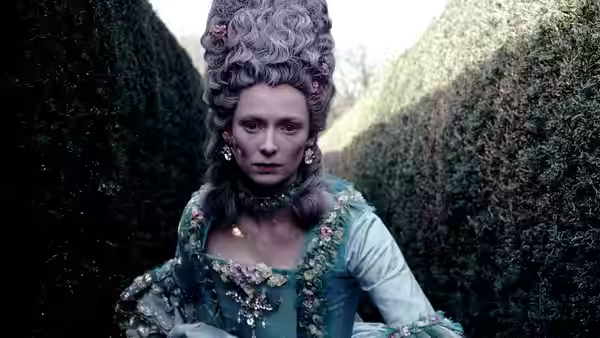
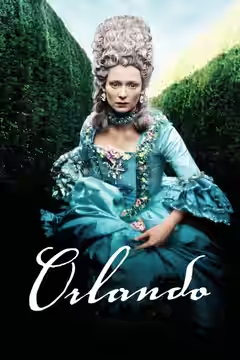
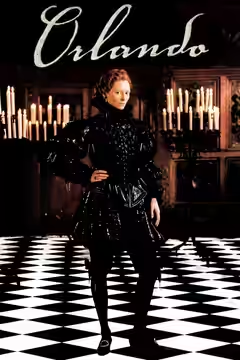
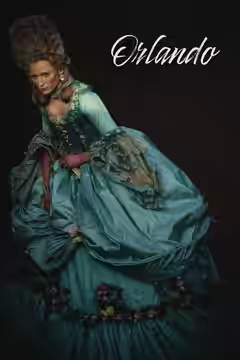
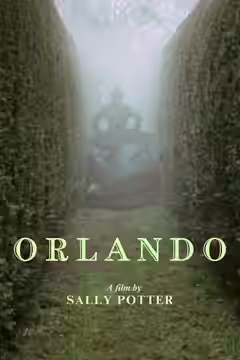
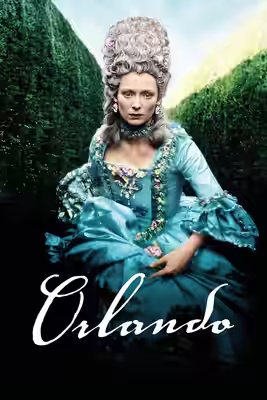
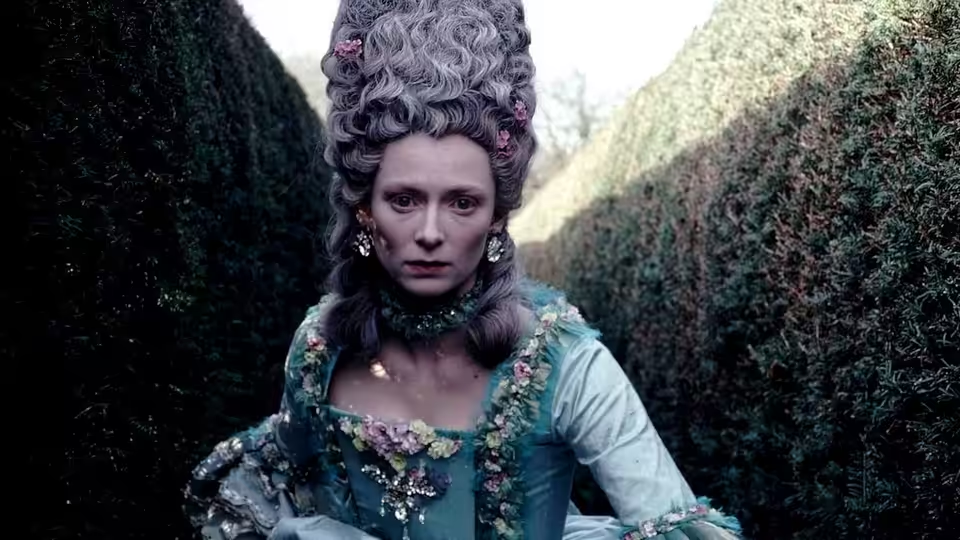
Tilda Swinton as Orlando in an ornate blue gown between tall hedges
Film review

Orlando

1992 · Directed by Sally Potter · 1h 34m · MPA PG-13

In a sentenceTilda Swinton keeps looking at us as though we are the only sensible people in several centuries

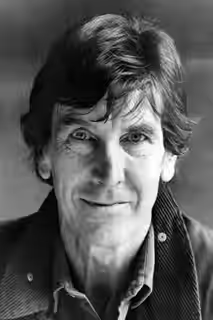
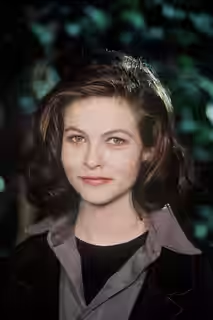
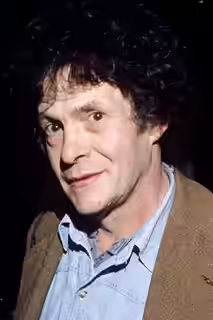
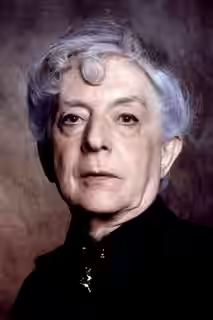
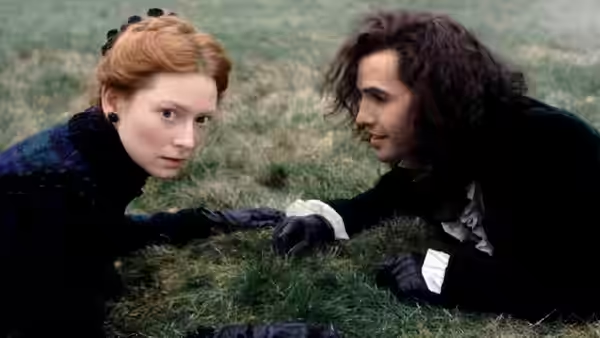
Tilda Swinton plays Orlando, an immortal figure moving through centuries of English history in Sally Potter’s adaptation of Virginia Woolf’s novel. The fantasy follows a life shaped by changing social conventions, with gender, desire and the passing of time at the centre of its encounters. Orlando’s journey brings together historical pageantry, romance and questions about how a person is seen by others. Quentin Crisp appears as Queen Elizabeth, with Charlotte Valandrey as Sasha and Billy Zane as Shelmerdine. The cast also includes Lothaire Bluteau as the Khan and John Wood as Archduke Harry.

Fi1m review

Sally Potter turns Virginia Woolf’s novel into a witty, welcoming fantasy, held together by Tilda Swinton. Its observations about gender are sometimes blunt, but the pleasure of Swinton’s company carries it through.

Sally Potter’s Orlando is a witty, inviting fantasy with a few points it presses too hard. Adapting Virginia Woolf’s novel, Potter lets an immortal central figure pass through centuries of English history without making the journey feel like required reading. The interest lies in watching a person persist while the conventions surrounding them keep changing. That could become a dutiful parade of lessons about gender and society, but Potter usually has a joke ready before the lesson settles in.

Tilda Swinton is the reason we stay interested in that person. Her Orlando has a reserve that never quite becomes coldness, and the wry asides give us a way into a character who might otherwise seem remote. We laughed at the looks towards the camera, because Swinton makes us feel included in the joke without labouring to explain it. The sweetness matters, too: there is enough vulnerability beneath that composure to keep the performance from becoming a sequence of knowing glances.

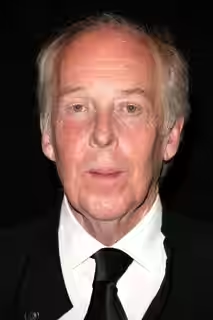
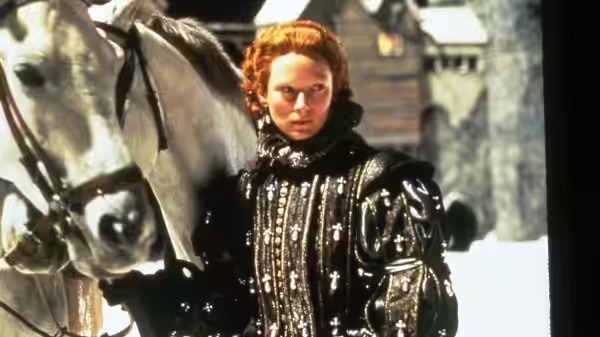
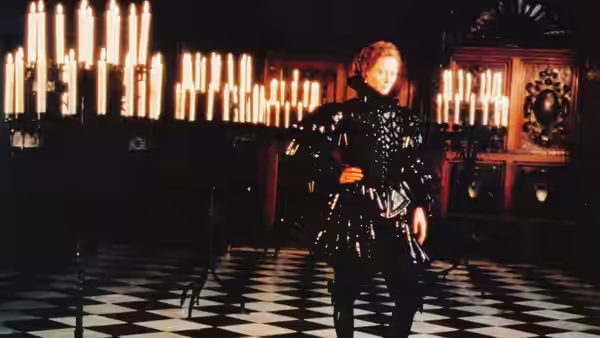
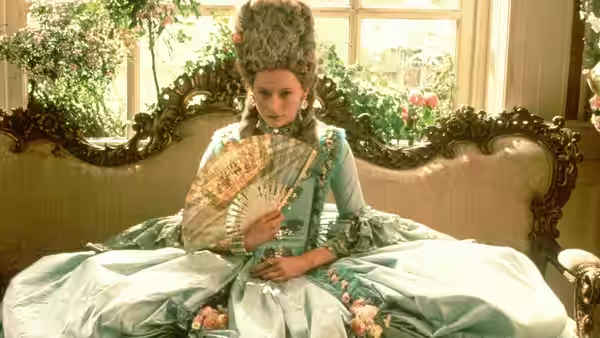
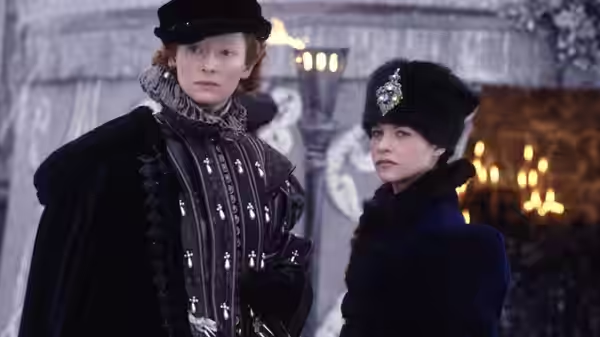
Alexey Rodionov’s panning shots give the historical settings time to register, while keeping Swinton an absorbing presence within them. Production designers Stanislav Romanovsky, Ben van Os and Jan Roelfs make the passage through different periods legible through the surroundings. Costume designers Dien van Straalen and Sandy Powell contribute to the comedy of social identity: clothing makes other people’s assumptions visible. The casting of Quentin Crisp as Queen Elizabeth gives that idea an especially direct expression, with a recognisable historical role occupied by an unexpected performer.

Editor Hervé Schneid keeps the procession manageable within 94 minutes, although the speed of the journey sometimes leaves the people around Orlando feeling like temporary company. The film asks us to move on just as an encounter begins to acquire emotional weight. David Motion and Potter’s music helps keep the changing periods part of the same playful film. That lightness is welcome, but it also means that the romance can feel less urgent than the pleasure of spending time with its central performer.

Potter is less persuasive when she makes sure we have understood the social point. The observations about gender can be blunt, and the film sometimes seems satisfied that noticing an absurd convention is enough to tell us something about living under it. We wanted a little more of the hurt and confusion that its central predicament suggests. Still, its humour allows those ideas to reach us without solemnity, and Swinton’s performance supplies the tenderness that the broadest observations need.

The useful comparison is with costume drama at its most obedient, where the care taken over appearances can discourage awkward questions about the people inside the clothes. Potter’s humour makes that sort of deference impossible, and her fantasy benefits from it. There is no need to know the novel before settling down. Watch it with someone who enjoys a knowing glance; Swinton provides plenty of opportunities to exchange one.
Critical consensus AI synthesised

75
Positive
13
Mixed
1
Negative
2

Most critics admire Sally Potter’s adaptation of Virginia Woolf’s novel, and the praise gathers around Tilda Swinton. Her androgynous, unhurried turn as the immortal Orlando, speaking straight to the camera, is named again and again as the thing that holds four centuries of English history together. The sets and costumes come next: the reviews describe a lavish, witty pageant, playful rather than solemn about gender, and many think it has aged well since 1992.

The reservations are about depth. Several critics feel the film raises ideas about sex, gender and eternal youth and then does little with them; Empire finds the insights slighter than the images promise. Two go further. The Los Angeles Times calls it all chic set design and posturing, with the early scenes around Quentin Crisp’s Queen Elizabeth the only ones with wit, and Eye for Film finds the story incidental to the pictures. The spread is wide, but the admirers are a clear majority.

IndieWire
19 July 2010 · Eric Kohn
90*

Decades later Sally Potter’s gender-defying saga still holds up as a unique cinematic achievement. Tilda Swinton’s century-spanning performance remains a wonder to behold.

Read the full review →
Little White Lies
12 March 2022 · Sam Moore
90*

The film is a powerful study of self-identity and gender presentation that challenges binary norms through its protagonist's centuries-spanning journey and direct address to the camera. It singles out the visual parallels, mirrored dialogue, and final self-aware moments for praise as they reveal Orlando's transcendence of expectations.

Read the full review →
Slant Magazine
19 July 2010 · Matthew Connolly
90*

The critic praises the alignment of Woolf’s novel, Potter’s direction, and Swinton’s performance in this 1992 adaptation. They highlight the film’s light touch with gender-as-performance themes, formal flourishes like direct address and panning shots, and Swinton’s empathetic central turn as the standout element.

Read the full review →
The New York Times
6 June 1993
90*

Potter's adaptation is a delicious fantasy rooted in social history that belongs as much to the director as to Woolf. It is a triumph of intelligent, lyrical, and argumentative filmmaking.

Read the full review →
Film Comment
11 April 2018 · Michael Koresky
85*

The critic praises Sally Potter’s 1992 adaptation as a classic of New Queer Cinema that captures the novel’s themes of gender fluidity, immortality, and freedom from the past through Tilda Swinton’s androgynous performance. It singles out the film’s inventive handling of Orlando’s gender transformation and its modern, empowering conclusion as particularly effective.

Read the full review →
The Guardian
9 March 2023 · Peter Bradshaw
85*

The critic calls the re-release a dreamy, swoony reverie of shapeshifting sexual identity that remains trance-inducingly strange. Swinton's magnetic, insouciant performance is singled out as the film's enduring strength.

Read the full review →

Straight answers AI written, from our review

Is Orlando worth watching?
Orlando is worth watching for anyone who enjoys a witty, unhurried fantasy, and we scored it 81. Tilda Swinton holds it together, her glances at the camera making us feel included in the joke, while Sally Potter keeps centuries of English history from feeling like required reading. Its points about gender are sometimes pressed too hard, and the people around Orlando can feel like temporary company.
How long is Orlando, and what is it rated?
Orlando runs 1h 34m and is rated PG-13 by the MPA in the US. It is a drama and fantasy film.
Where can I watch Orlando in the US?
Orlando is available to rent from Amazon Prime Video and Apple TV from $3.99. Availability is checked daily; the links above go straight to each service.
How does Orlando compare to A Matter of Life and Death?
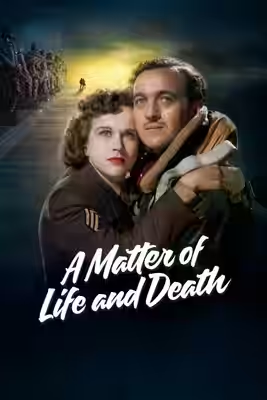
Orlando and A Matter of Life and Death are both playful fantasies that let romance sit beside larger questions about existence, and both occasionally labour their points. Powell and Pressburger’s film is the warmer and the easier to recommend to almost anyone, with romance at its centre. Potter’s is drier and more knowing, and its pleasure lies chiefly in Tilda Swinton’s company rather than its love affairs.
Is Orlando based on a true story or a book?
Orlando is based on Virginia Woolf’s novel of the same name, not on a true story, though it moves through real periods of English history and puts Quentin Crisp in the role of Queen Elizabeth. Sally Potter keeps the novel’s immortal central figure and its interest in gender and time, delivered with humour rather than solemnity. There is no need to know the book before settling down.
What should I watch after Orlando?
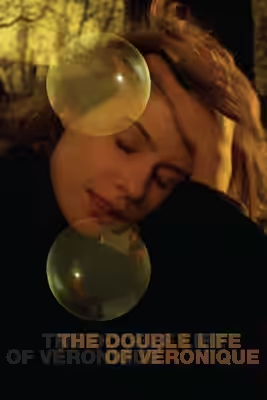
After Orlando, try A Matter of Life and Death (1946, Fi1m 92): Another playful fantasy that lets romance coexist with questions about existence. Then The Double Life of Véronique (1991, Fi1m 86): An elusive central performance makes another unexplained fantasy feel intimate.

Cast

Awards

Academy Awards, 1994

Nominated
Best Costume Design
Nominated
Best Production Design

European Film Award for Best Actress, 1993

Nominated
European Film Award for Best Actress

Sitges Film Festival Best Feature-Length Film award, 1993

Won
Sitges Film Festival Best Feature-Length Film award

Young European Film of the Year, 1993

Won
Young European Film of the Year

If you liked this, try…

  1. A Matter of Life and Death (1946, Fi1m 92)Another playful fantasy that lets romance coexist with questions about existence.

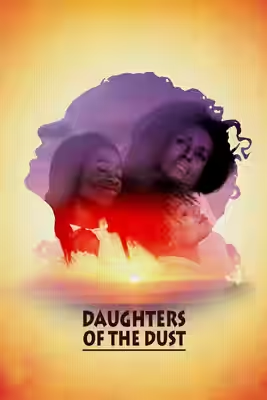
  2. Daughters of the Dust (1991) · not reviewed yetHistory told through clothes, faces and images that reward patient attention.

  3. The Double Life of Véronique (1991, Fi1m 86)An elusive central performance makes another unexplained fantasy feel intimate.

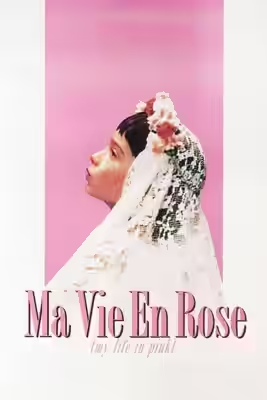
  4. Ma vie en rose (1997) · not reviewed yetGender explored through a child’s stubborn hopes and a family’s discomfort.

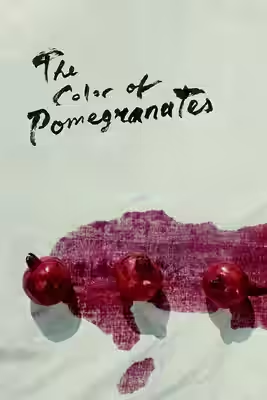
  5. The Colour of Pomegranates (1969) · not reviewed yetA more demanding pageant, with clothes and ceremonial images carrying much of the meaning.

Free account

Know what to watch tonight

Two lists that know where things are streaming, collections you can share, your own score beside ours, and Discover that remembers what you have seen.

  • Want to see, sorted by what is streaming now
  • Seen, with your score out of ten
  • No adverts, ever