Critics’ reviews

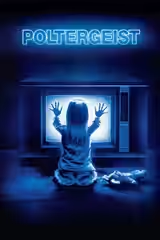
Poltergeist (1982)

14 reviews from 14 publications. Critics’ score 78: 12 positive, 1 mixed, 1 negative.

Back to our review of Poltergeist

78
Positive
12
Mixed
1
Negative
1

Most critics like it, and they like it for the same reasons. The haunted house is moved to an ordinary American suburb, and the reviews return again and again to the family at its centre: warm, believable, worth caring about before anything starts rattling the cupboards. The effects and the craft of the scares draw steady praise, as does the film’s suspicion of television. Almost every review treats the question of authorship as unavoidable, and most conclude that, whatever the credit says, this plays as a Spielberg film with a nastier edge.

The reservations gather around the script. Several critics find it loose, with the ghosts’ behaviour never explained and the ideas about children and television raised and then dropped; The New Yorker makes that case most fully. Variety goes further, calling the story foolish for all the talent involved. The spread is wide, but the harshest notices date from the original release, and the reviews written for later re-releases are warmer.

Los Angeles Times
24 October 2025 · Joshua Rothkopf
90*

The critic calls the film one of the most subversive movies ever made by Hollywood, noting how it screams to turn off the TV as suburban comforts turn deadly. It highlights the 1982 timing amid Reagan-era blockbusters and credits Spielberg's hands-on influence over Hooper's onscreen credit.

Read the full review →
Slant Magazine
23 October 2007 · Eric Henderson
90*

The film stands out for relocating the haunted house to mundane American suburbia and delivering a professionally mounted effects-driven scare show. The critic highlights the productive tension between Spielberg's and Hooper's sensibilities as a key strength.

Read the full review →
The AV Club
25 October 2007 · A- · Scott Tobias
90

The review affirms that the film holds up beautifully as the malevolent flipside to Spielberg's suburban fantasies, with his stylistic fingerprints everywhere and playful visual wit throughout. It notes the assurance of a safe landing even amid scares, making it a family film that guarantees nightmares.

Read the full review →
The New York Times
4 June 1982 · Vincent Canby
90*

It is a marvelously spooky ghost story full of creepy effects and witty moments that manifests childhood fears and wishes. The film is like an enjoyable nightmare that ends harmlessly, with strong performances from the cast.

Read the full review →
The Times
21 October 2022 · ★★★★☆ · Kevin Maher
90*

The re-release review calls it one of the great anti-TV movies and a suburban horror classic that highlights television as a danger to the family. It notes its iconic status and enduring appeal.

Read the full review →
Time Out
26 October 2016 · DP
90*

The critic calls it a barnstorming ghost story that is every inch a Spielberg film despite the Hooper credit. They single out the dazzling sense of craft and a structural surprise that rivals the opening of Psycho.

Read the full review →
The Guardian
21 October 2022
80*

The critic praises Tobe Hooper’s 1982 film as a supernatural chiller and anti-gentrification satire with Spielberg’s fingerprints but its own disturbing edge. It singles out Heather O’Rourke’s eerie performance and the film’s ability to still deliver scares despite dated effects.

Read the full review →
Empire
1 January 2000 · Kim Newman
70*

The critic views it as a restrained but effective haunted-house chiller that holds attention through its succession of conjuring tricks and visual effects, despite a loose script. It singles out the family scenes and parapsychological phenomena for praise while noting it as perhaps the only successful horror film in which no one gets killed.

Read the full review →
RogerEbert.com
1 June 1982 · Roger Ebert
70*

The film is an effective thriller because it views strange events through the eyes of a believable family rather than letting special effects overwhelm everything. It grounds the ridiculous premise in suburban routines and close observation of the characters.

Read the full review →
The New Yorker
7 June 1982 · Pauline Kael
55*

The critic describes the film as an entertaining summer spook show but ultimately an 'entertaining hash' lacking rationale for the ghosts' actions or follow-through on promising ideas about kids and television. She singles out the warmth of the suburban family for limited praise while noting Spielberg's dominant hand behind the credited director.

Read the full review →
Variety
31 December 1981 · Variety Staff
30*

Given the talents involved, the film is annoying because it could have been much better; the story is truly stupid despite solid acting. It focuses on flashy physical manifestations and sideshow horrors rather than the interesting parapsychological subject.

Read the full review →
Collider
20 September 2022 · A- · Emma Kiely
90

The film is a classic horror that balances shocks and fear with strong family dynamics and character relationships. It serves as a blueprint for modern haunted-house movies while marveling at the awe and terror of the unknown.

Read the full review →
Paste
16 October 2020 · Jim Vorel
85*

Poltergeist succeeds as the best of both Spielberg and Hooper, blending warm suburban family dynamics and populist appeal with grisly, intense horror sequences. It stands as the defining haunted-house film of its decade thanks to memorable performances and tonal balance.

Read the full review →
Eye for Film
23 October 2007 · Amber Wilkinson
80*

The film remains remarkably effective 25 years on, with strong special effects and a focus on making audiences care about the characters. The reviewer singles out the way it invests viewers in the family's everyday life as key to its success over similar horror films.

Read the full review →

Ordered by the weight we give each publication, then by score. Scores are normalised to 100; * means inferred from an unrated review. Summaries are ours, not quotations; follow the links for the reviews themselves. How we rate