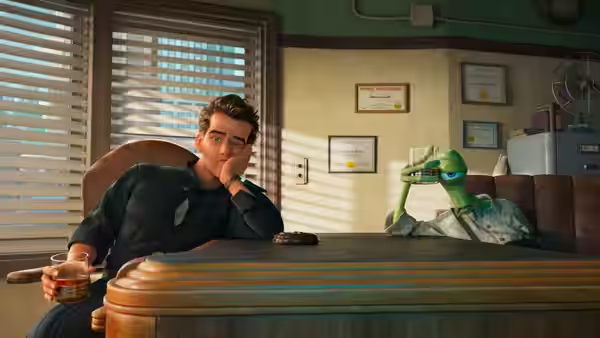
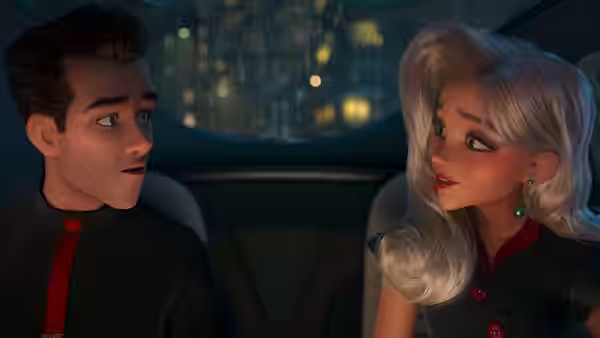
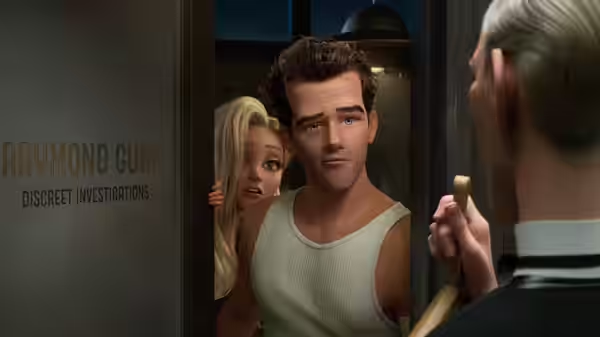
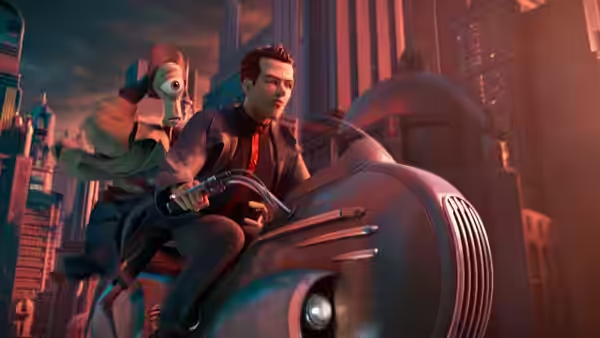
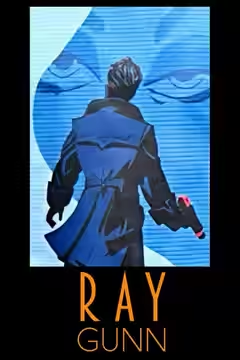
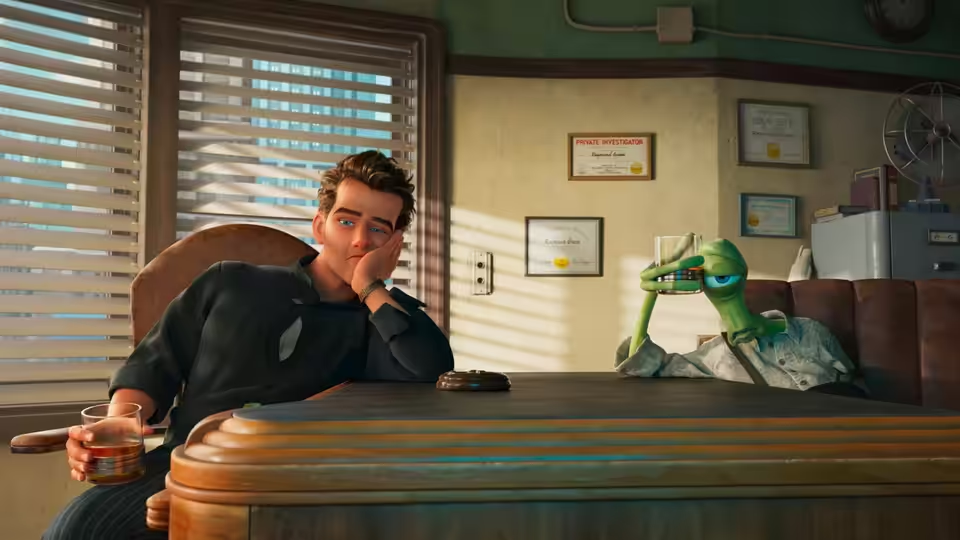
Raymond Gunn (Sam Rockwell) sits at his desk as a green alien leans over the counter
Film review

Ray Gunn

2026 · Directed by Brad Bird · 1h 59m · MPA PG

In a sentenceA gumshoe, a ray gun and the handsomest city, all waiting for a case worth solving

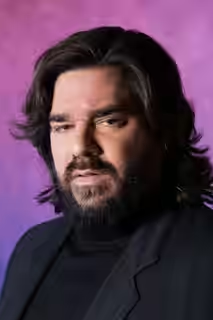
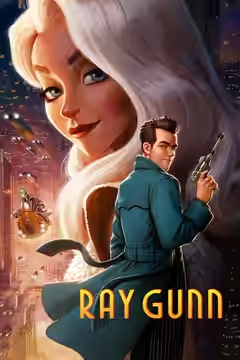
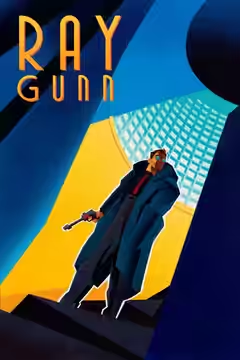
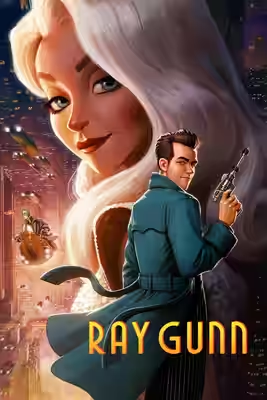
Metropia is a city of skyscrapers so tall the streets below them never quite see daylight, and Raymond Gunn (Sam Rockwell) works the dark end. He is a private detective of the old school, trench coat and ray gun, in a town that has moved on without him. A case brings him up against Venus Nova (Scarlett Johansson), a woman who knows more than she says, and sends him to Eyera (Tom Waits), a tired old operator who has seen every racket the city has to offer. Also on the board are the gangster Francis ‘Slugsy’ Xavier (Matt Berry), the formidable Vanzine (Kathryn Hunter) and the cop Roz Dexler (Michelle Rodriguez). Gunn wants the truth. Metropia is built to keep it from him.

Plays from YouTube when you press play; nothing loads from them until then.

Fi1m review

Brad Bird’s animated noir builds a city we would happily get lost in, then loses itself in it. The design and the voices are first-rate; the plot is three films’ worth, and none of them finishes. Decent, and for the interested.

Brad Bird has carried Ray Gunn around for a long time, and we can see why he wanted to make it. A private detective in a retro-futurist city, pulp science fiction wearing a film noir’s hat, drawn rather than shot: it is a world he plainly loves, and for stretches of its 119 minutes we loved it too. The trouble is the story he has put inside it. The city is worth visiting. The case is not worth following, and by the end we had stopped trying.

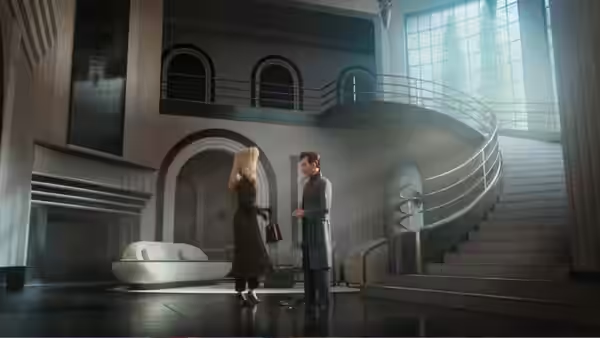
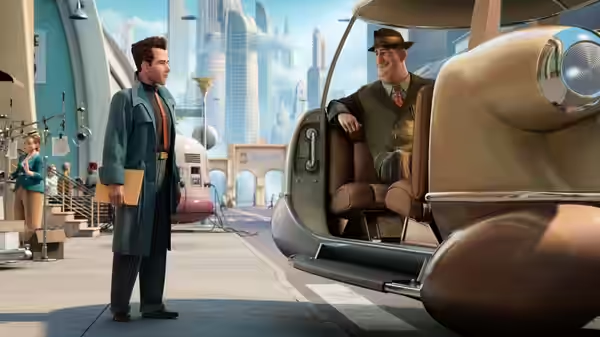
Paul A. Felix’s Metropia is the main event. The skyscrapers go up out of frame and the light comes down between them in slices, so that half of every street is in shadow, which is what the film’s tagline promises and what it delivers. The cars, the signage, the lamps on the detective’s desk all belong to a future imagined some decades ago, chrome and curves and glowing dials, and the film is consistent about it to the last doorknob. Neysa Bove’s costumes keep Gunn in the one coat while everyone around him dresses for a tomorrow that never came. When the camera climbs a tower or drops down a lift shaft, the place holds together from every angle, and that is harder than it looks.

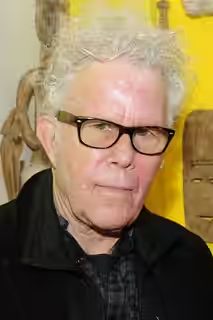
The voices are well chosen. Sam Rockwell plays Gunn as a man who has heard every line before and is slightly bored to be saying them himself, and it suits the picture. Tom Waits, as Eyera, gives the film its best twenty minutes without appearing to try: every sentence comes out tired, amused and faintly threatening, and we leaned forward whenever he spoke. Scarlett Johansson does the cool, careful thing she does well. Matt Berry’s Slugsy gets the laughs. Kathryn Hunter’s Vanzine is the one voice that sounds dangerous. Bird himself turns up in two small parts, Gunsol and Musker, which is the sort of thing a director does when he is enjoying himself.

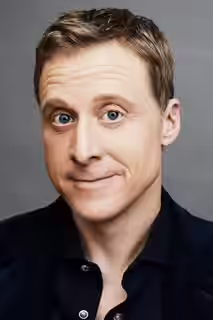
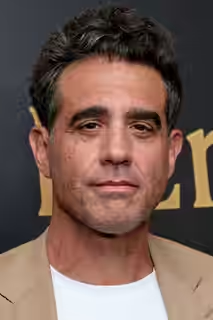
Then there is the script, by Bird and Matthew Robbins, and here the film comes apart. There are too many characters, too many threads, and a line of satire about power and the city that is started, dropped, picked up again and never made to mean anything in particular. Arnold Dom (Bobby Cannavale), Barry Vogel (Alan Tudyk) and Lou Blevins (Faruq Tauheed) all arrive with the air of men who matter and then wait around for the plot to need them. Here is what we felt: about an hour in, we were having a good time, and then we tried to say out loud what Gunn was actually looking for and could not, and the good time went quiet. A noir can be confusing; this one is simply crowded.

Michael Giacchino’s score knows exactly what film it is in, brass and brushes and a saxophone that arrives on cue whenever a woman walks in, and it is the most confident element after the design. Darren T. Holmes cuts the action with real clarity, so that we always know where the ray gun is pointing, and there is a dance sequence in zero gravity, bodies turning slowly over the city, that is the best thing in the picture. We would watch it again on its own. The editing is less kind to the dialogue scenes, which go on past the point where we have taken the information in.

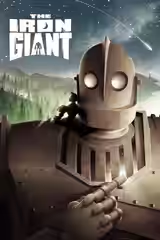
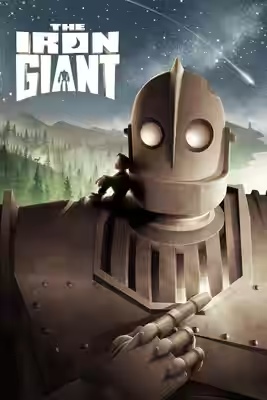
Against Bird’s own films this is the odd one out. The Iron Giant (1999) and The Incredibles (2004) each had one clear want at the centre and built everything around it. Ray Gunn has a hero whose want we could not name, in a city where everyone has an agenda and nobody has a reason.

It carries a PG, and children will like the shapes and the shooting and lose the plot quicker than we did, which may be a mercy. Adults who grew up on the pulp covers this is drawn from will get an evening’s pleasure from the furniture. Go for Felix’s city, Waits’s voice and the dance. Do not go expecting to be told, afterwards, what happened.

Critical consensus AI synthesised

65
Positive
6
Mixed
2
Negative
2
The Guardian
10 October 2026 · B · Peter Bradshaw
77

Bradshaw calls the film a charming, very enjoyable family classic. He especially praises its beautifully designed cityscapes and the zero-gravity dance scene.

Read the full review →
IndieWire
10 October 2026 · B- · Kate Erbland
70

Erbland finds the film immersive and inventive, but says its sprawling story and muddled message weaken the result. She especially praises Metropia’s vibrant, tangible design while faulting the underdeveloped tangents and overstuffed plot.

Read the full review →
Variety
10 October 2026 · festival review · Guy Lodge
60*

Lodge finds the film technically impressive and energetically entertaining, but less charming and emotionally engaging than it should be. He singles out its richly detailed retro-futurist world-building as its principal strength.

Read the full review →
Screen Daily
10 October 2026 · festival review · Wendy Ide
35*

Ide finds the animation stylish but ultimately convoluted and unwieldy, with a laboured, inert screenplay that undermines its potential. She praises the painstaking visual world-building and strikingly coherent design, while criticizing the film’s unclear politics and inconsistent characterization.

Read the full review →
The Hollywood Reporter
10 October 2026 · festival review · Angie Han
30*

Han finds the film bland and forgettable, criticizing its thin characters and underdeveloped themes. She singles out Tom Waits’ weary, witty performance as Eye-Ra as the ensemble’s standout.

Read the full review →
The Wrap
10 October 2026
96*

The critic calls the film a dazzling, imaginative triumph and says it was worth the long wait. They single out its intricate staging, striking camerawork and lighting, and richly choreographed action for praise.

Read the full review →

Straight answers AI written, from our review

Is Ray Gunn worth watching?
Ray Gunn is worth watching for its city and its voices rather than its story, and we scored it 64. Brad Bird's animated noir builds a retro-futurist Metropia we would happily get lost in, with Sam Rockwell, Tom Waits and a zero-gravity dance sequence that is the best thing in it. The plot has too many characters and never finishes, so go for the furniture, not the case.
How long is Ray Gunn, and what is it rated?
Ray Gunn runs 1h 59m and is rated PG by the MPA in the US. It is an animation and science fiction film.
Where can I watch Ray Gunn in the US?
Ray Gunn is not on any streaming or rental service in the US at the moment. Availability is checked daily.
How violent or frightening is Ray Gunn, and is it suitable for children?
Ray Gunn carries a PG certificate and is suitable for most children, with ray-gun shooting rather than anything bloody and no frights we found worth noting. The city is kept in shadow and a few of the villains sound dangerous, but the tone is pulp adventure rather than horror. Younger viewers will lose the plot quickly, though so did we, and it will not trouble them.
How does Ray Gunn compare to Blade Runner?
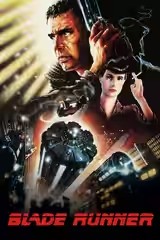
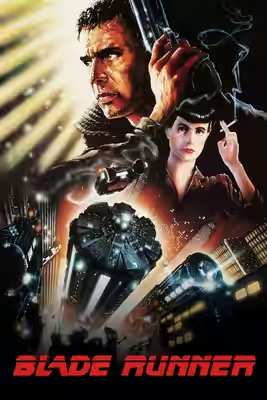
Ray Gunn and Blade Runner share a detective, a dark city of tall towers and a thin plot, but the earlier film is the better one because its case can be followed. Ridley Scott's future is bleak and slow and for adults with patience; Brad Bird's is animated, playful and overcrowded, and suits a family evening. Watch Blade Runner for the mood and Ray Gunn for the design.
What should I watch after Ray Gunn?
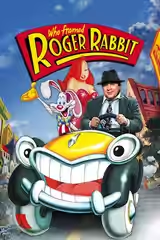
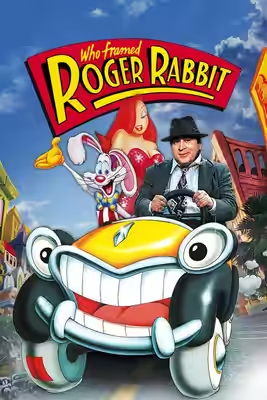
After Ray Gunn, try Blade Runner (1982, Fi1m 85): The detective, the rain and the tall city, with a case you can actually follow. Then Who Framed Roger Rabbit (1988, Fi1m 89): A drawn gumshoe story that knows exactly what its case is about; and The Iron Giant (1999, Fi1m 88): Bird at his clearest, one boy, one machine, and not a wasted scene.

Cast

If you liked this, try…

  1. Blade Runner (1982, Fi1m 85)The detective, the rain and the tall city, with a case you can actually follow.

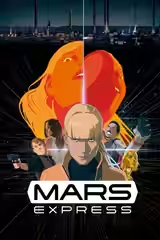
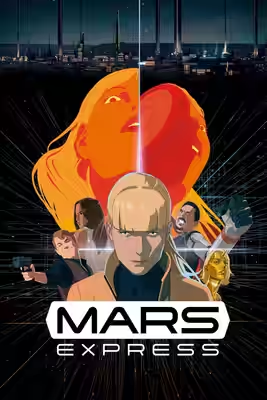
  2. Mars Express (2023) · not reviewed yetFrench animated noir on Mars, tighter and sadder than this, and under ninety minutes.

  3. Who Framed Roger Rabbit (1988, Fi1m 89)A drawn gumshoe story that knows exactly what its case is about.

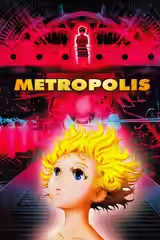
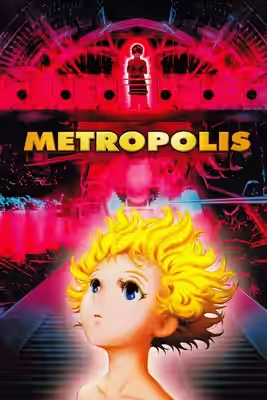
  4. Metropolis (2001) · not reviewed yetJapanese retro-futurist city, robots and class, drawn with the same love for height.

  5. The Iron Giant (1999, Fi1m 88)Bird at his clearest, one boy, one machine, and not a wasted scene.

Free account

Know what to watch tonight

Two lists that know where things are streaming, collections you can share, your own score beside ours, and Discover that remembers what you have seen.

  • Want to see, sorted by what is streaming now
  • Seen, with your score out of ten
  • No adverts, ever