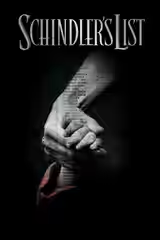
Most critics regard this as Spielberg’s most serious work and a clear departure from his usual manner, and the praise clusters around restraint: the near-documentary hand-held camerawork, the black-and-white photography, and a refusal to dress up the horror. Neeson, Fiennes and Kingsley are singled out again and again, and several reviews treat the film’s decision not to explain Schindler’s motives as a strength rather than a gap. The liquidation of the Krakow ghetto is the sequence most often named for its immediacy.
Reservations are fewer and mostly British. Empire finds the film over-sentimental for a subject that needs no help; The Independent objects to kitsch and emotional manipulation in the coda; The Guardian, the lone mixed voice, finds a certain flatness and less emotional force than hoped, while still placing it far ahead of other Hollywood films on the subject. Slant, writing two decades on, notes a personal remove. The spread runs from wholehearted to respectfully qualified; nobody dismisses it.