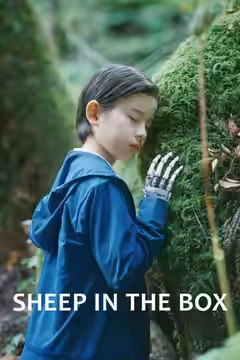
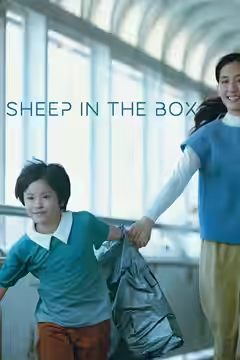
Kore-eda films a grieving couple leasing a robot copy of their son as if it were one of his family dramas. Haruka Ayase is the reason to stay. The film’s reluctance to ask anything hard of its premise is why it does not add up.
Hirokazu Kore-eda writes, directs and edits Sheep in the Box, 126 minutes about a couple who have lost a child and are offered a copy. Otone Komoto (Haruka Ayase) and Kensuke (Daigo) do not buy the boy; they lease him, on terms an engineer (Ayumu Nakajima) sets out with the manner of a man installing a boiler. The premise belongs to science fiction and Kore-eda treats it as he treats everything, as a household. That is the interesting decision and also, over two hours, the problem. The film is gentle, well acted and often lovely to look at, and it will not commit to a single hard thought about what it has put in the spare room.
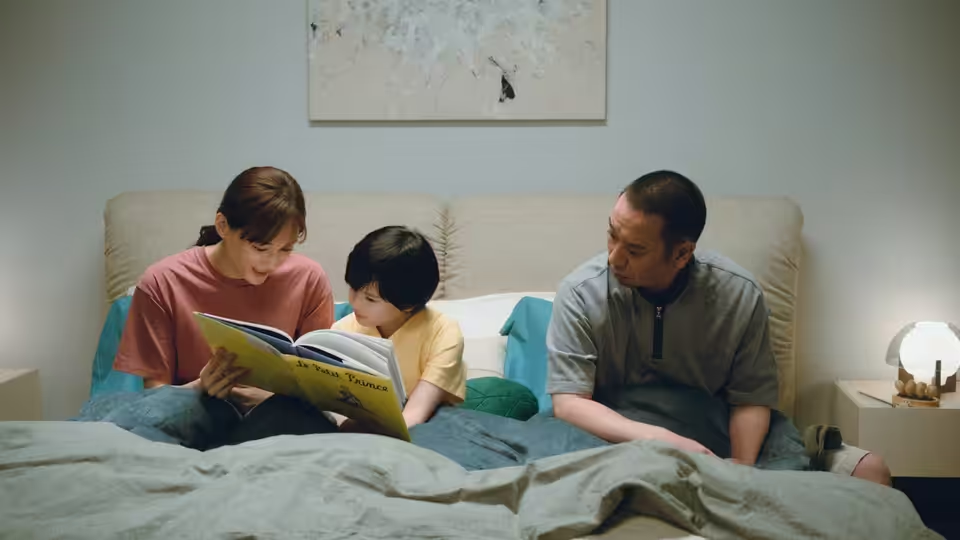
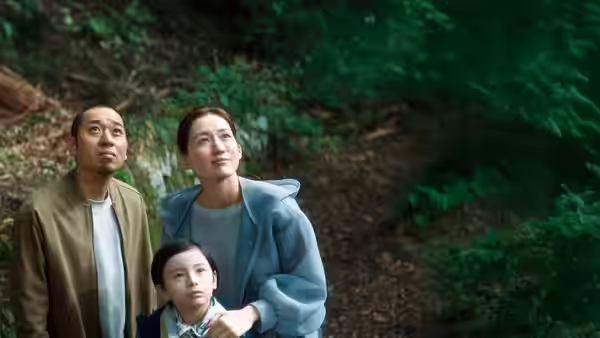
Ayase carries it. She plays Otone as a woman who has decided to believe and is watching herself do it, and the film is at its best when Kore-eda simply leaves the camera on her while the boy does something a boy would do. Ryuto Kondo shoots the house in soft daylight rather than lamplight, so that the machine child sits in the same warm light as the furniture and is never once made to look uncanny. That is a choice, and it works. We were moved, more than the reviews had led us to expect, by an early scene at the family table in which nobody says anything about what is happening and Ayase’s face says all of it; for a few minutes the film stops explaining itself and lets a mother look at what she has agreed to.
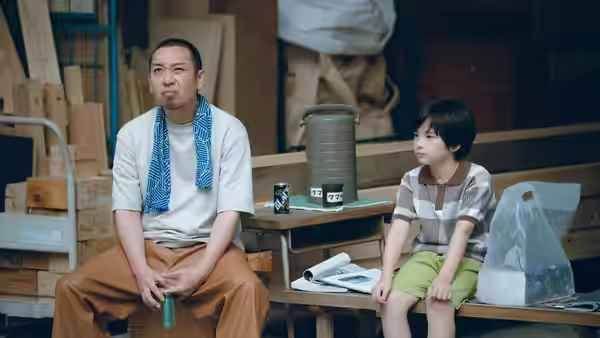
Kuwaki Rimu, as Kakeru, has the hardest job, which is to be a child and a product at once, and he mostly does it by being still. Daigo gives Kensuke a husband’s wariness without ever turning him into the villain of the house. Yuta Bandoh’s score is sparse and stays under the dialogue rather than telling us what to feel, which is more restraint than the genre usually allows itself. Sachiko Ito dresses everyone in the ordinary clothes of people who are not thinking about their clothes, so that the only thing in the frame from the future is the boy.
The trouble is what Kore-eda does with all this, which is not enough. The film raises a question about whether a copy can be loved, then a question about what the company does with the children it takes back, then a question drawn from The Little Prince about the things we invent in order to have someone to care for, and it declines to press on any of them. The strand about the returned machines is the one we most wanted, and it is the one the film leaves thinnest. The second half continues in the same key, and we will say no more about where it goes. Kore-eda cut the film himself, and a second pair of hands might have told him that 126 minutes of tact is a long time. Somewhere past the halfway mark we found ourselves patient, then aware of being patient, which is not a feeling a film about a dead child should leave you with.
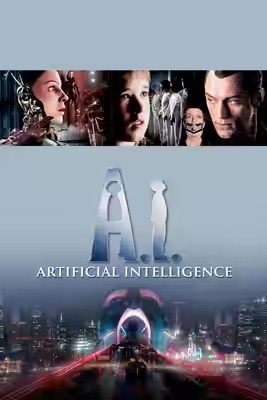
Measured against his own work it is a lesser piece. Nobody Knows and Shoplifters took families that were not supposed to exist and made us defend them; the quiet in those films was under pressure from outside, from landlords and police and money. Here the pressure is a lease agreement, and the film never lets it bite. Measured against Spielberg’s A.I. Artificial Intelligence, which put a robot boy in a grieving house a quarter of a century ago, it is calmer and kinder and has less to say.
The reviews have split hard, between those who found a dreamlike fable and those who found a muddle, and we can see both films from where we sit. The tenderness is real. So is the vagueness, and by the end the second had begun to wear down the first.
See it if you have followed Kore-eda this far and want to watch him try a new room; Ayase alone is worth an evening. Watch it at home, where its slowness reads as calm rather than drift, and where nobody will mind if you drift a little too.