Nate Bargatze writes, produces and stars in a stay-at-home-dad comedy that borrows its premise from 1983 and adds a phone. It is bright, amiable and almost entirely without jokes, and we were bored well before the first load of laundry was done.
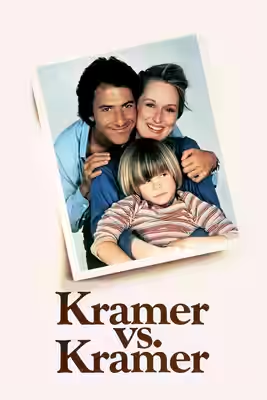
Nate Bargatze writes this one with Dan Lagana, produces it and plays the lead, so what it is trying to be is his to answer for. Eric Appel directs. The idea is old and sturdy: a husband who has never run a house is left in charge of one, with three daughters, while his wife goes out to work. It is Mr. Mom (1983) with a group chat, and the reviews so far have been unkind about that. We are not going to argue with them. The Breadwinner runs 100 minutes and we felt most of them.
Bargatze’s manner as a stand-up is slow, puzzled and underpowered, a man describing the world as though it has mildly let him down. On a stage, with a microphone and a room, that is a style. On a screen it is a problem, because the camera keeps waiting for Nate Wilcox to want something and he keeps declining to. He is likeable throughout. We never once disliked him, and we never once worried about him either, and a comedy about a man out of his depth needs us to believe there is a depth. The tagline promises a dad with zero clue, and it is honest; what it does not mention is that he has zero urgency to go with it.
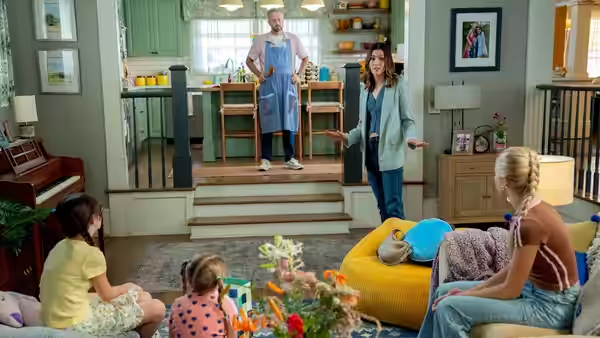
The jokes are the trouble. There is a running gag about damp towels left on floors and beds, and it works because it is small and true, and we laughed. Then we noticed we had been waiting forty minutes to laugh and felt slightly cheated. A charades scene lets the three girls run rings round their father, and it is the liveliest stretch in the film, because for once the people on screen are quicker than the script. Stella Grace Fitzgerald, Birdie Borria and Charlotte Ann Tucker are the best things here by a distance, and the film keeps cutting away from them to show us Nate holding a laundry basket.
The supporting cast is a list of people we would pay to watch and are not allowed to. Mandy Moore is given a job and a wardrobe and nothing to play; Katie leaves in the morning and returns in the evening and that is her arc. Colin Jost and Kate Berlant are the Ashfords, the couple who have it all together, and Berlant, who is an odd and precise comic, gets one scene to be odd in before the film tidies her away. Will Forte, Martin Herlihy and Zach Cherry are Nate’s friends, three men with faces attached to a chat thread. Kumail Nanjiani’s Peyton and Brett Cullen’s Walter each turn up, say something the plot needs said, and leave. We were irritated on their behalf.
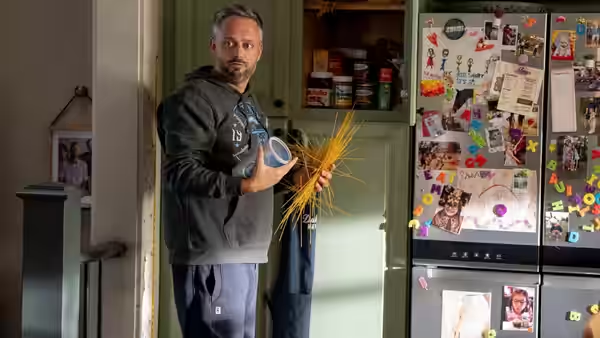
Eigil Bryld lights every room of the house as evenly as a kitchen showroom, no shadow anywhere, so nothing can be hidden and therefore nothing can be revealed. Jon Billington’s production design gives the Wilcoxes a large, tidy, beige home in which the appliances face the camera, and by the midpoint we had started counting the brand names and stopped counting the laughs. Evan Henke’s cut holds on Bargatze a beat after each line, waiting for a reaction that does not arrive, and then moves on as if it had. Leo Birenberg and Zach Robinson’s score is plucked strings and handclaps, and it tells us when to feel warm about a scene that has not earned it. Alexis Forte dresses Nate in soft greys and Katie in office tailoring, which does most of the film’s storytelling for it. Taylor Swift’s song ‘Opalite’ plays over a montage, and it is the most energetic minute in the picture, which is not a compliment to the other 99.
Against the standards of the genre this is a thin thing. Mr. Mom had the same jokes and could at least claim they were new. Some critics have called this film regressive, even damaging, and we think that is more weight than it can bear. It is not angry or certain enough about anything to do damage. It simply assumes that a man in charge of a house is funny in itself, and then does nothing to find where the funny is.
It is PG, it is harmless, and a family that already likes Bargatze will find him doing what he does at a slightly larger scale. Watch it with the children if you must; they will like the daughters, and so did we. The rest is a man standing in a bright kitchen with a laundry basket, waiting for something to happen to him, and we waited with him.