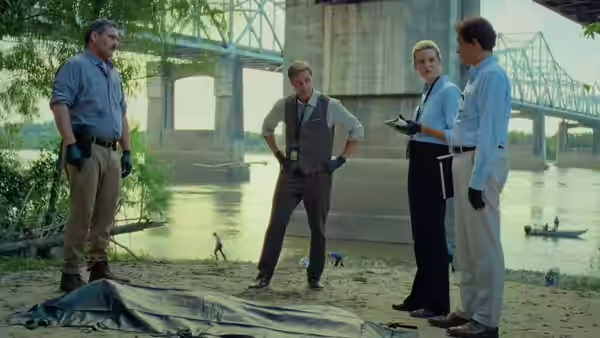
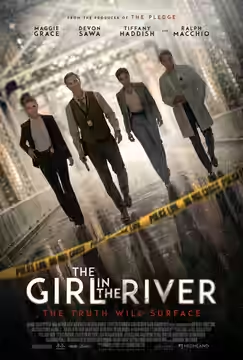
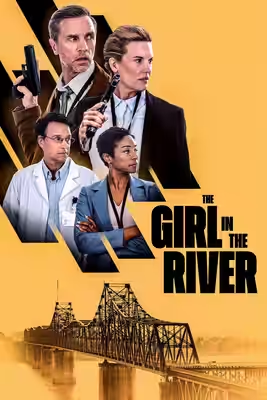
Brando Benetton’s small-town mystery has a body in the river, a list of suspects and a script that explains each of them three times. Devon Sawa does careful, quiet work in a film that does not deserve him; the rest is waiting.
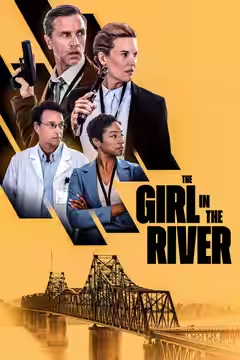
Brando Benetton writes and directs, and what he wants is plain from the title: a body, a town, a list of suspects worked through one at a time until the truth, as the tagline promises, surfaces. It is the oldest shape a crime story has, and it works when the town feels lived in and the suspects are hiding something worth the trouble. Here it runs 92 minutes, and most of them are spent in rooms where two people tell each other things we already know. The one review we have read so far calls it sluggish. We cannot argue.
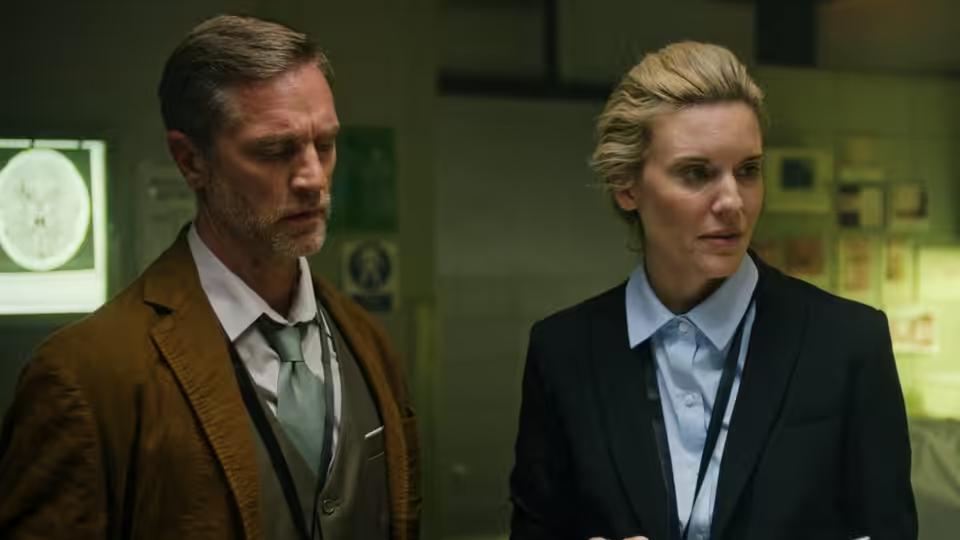
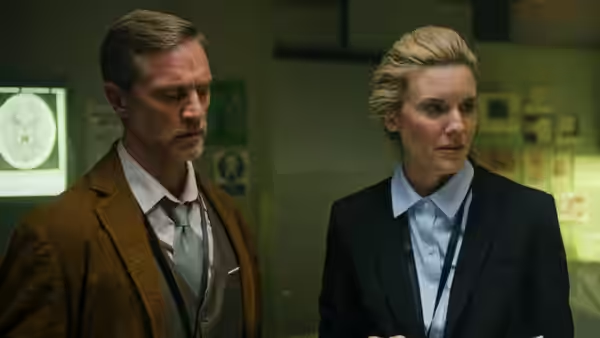
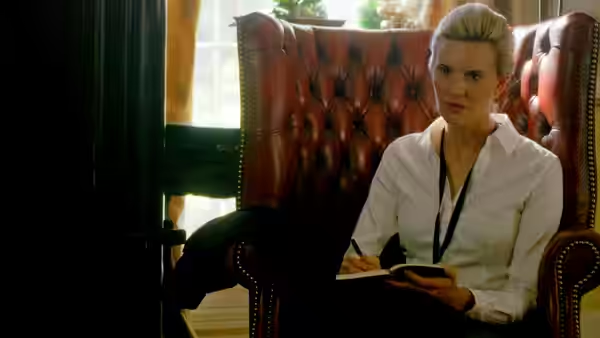
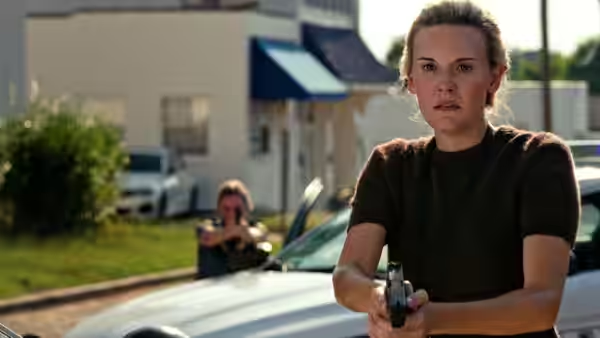
Devon Sawa is the reason to keep watching. As Alan Kramer he barely speaks in his first scenes; he stands at the back of the funeral with his hands in his pockets and lets the town look at him, and for a few minutes the film is about something, because we could see a man deciding whether he was going to defend himself. Maggie Grace has the easier job as Amelia and does it well enough, asking her questions with a level, pleasant stubbornness that the script mistakes for a character. When the two of them share a scene the film has a pulse. When they do not, it waits for them to come back.
The trouble is the writing. Benetton’s screenplay gives each suspect a scene that announces what they are hiding, a later scene in which they deny it, and a third in which somebody else reports the denial. Ralph Macchio’s Colin Ripley gets the most of these and plays them with a tight, watchful courtesy that suggests he found more in the part than was on the page. Tiffany Haddish is cast as Captain Graysmith for her warmth and then handed procedure to read out; two or three lines sound like her and the rest sound like a form. Andrew Stevens, who also produces, plays Arthur Otto as a man with a secret, and the film keeps him so far from the centre that we had forgotten him by the time the plot needed him.
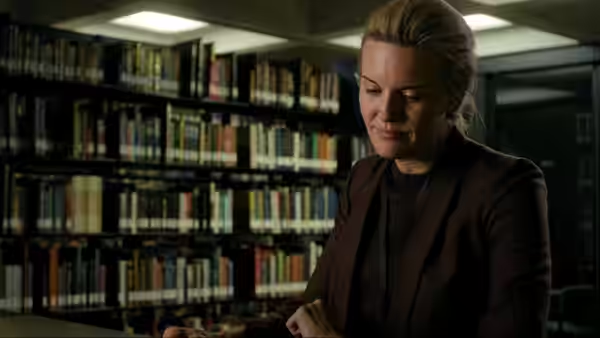
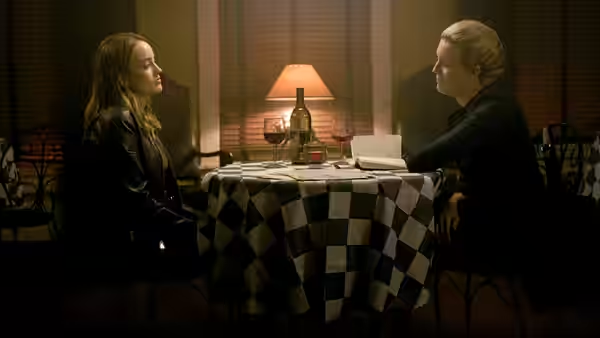
David Matthews shoots the town in flat, even daylight, so the river is grey, the streets are grey and the interiors are the colour of a waiting room. There is a case for that in a story about a place that has stopped noticing itself, but it means the water, which ought to be the film’s one image, never becomes one. Julie Toche’s production design gives the library and the bar the same pale wood panelling, and more than once we lost track of which we were in. Zach Prichard cuts each scene a beat after it has finished, on a face holding a thought, and by the hour mark those held faces had become the main event.
Max Aruj and W. F. Smith Leithart’s score is a low string drone that swells whenever someone lies, which is often, so it is nearly always swelling, and it had stopped meaning anything to us before the first act was over. We were bored forty minutes in, and then, because Sawa kept promising a better film in every close-up, we were cross about being bored, which is the worse of the two. The dentist who exists only as a voice on the phone gets one of the few scenes with any tension in it, and it is over inside a minute.
Against the standards of the small-town mystery this is thin. Broadchurch and Mystic River both understood that the crime is the excuse and the town is the subject; here the town is a list of addresses that Amelia visits in order. The comparison already made elsewhere, to a television pilot nobody picked up, is fair, and we would only add that pilots are usually shorter.
Sawa’s admirers, and there are more of them than this film seems to expect, will find him doing quiet, honest work in a picture that has not earned it. Everyone else has a watchable 92 minutes with a phone in one hand, which is not how anyone should be asked to sit through a thriller.