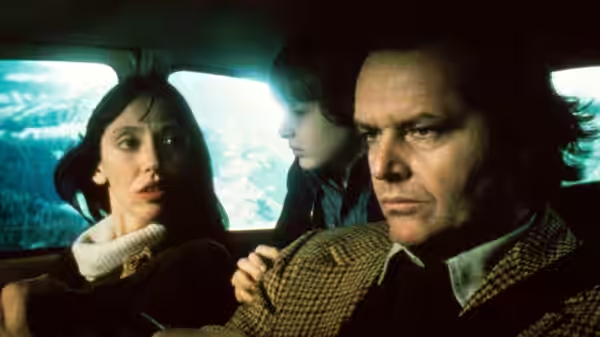
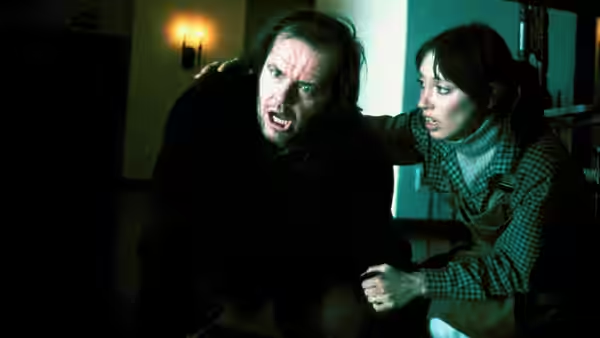
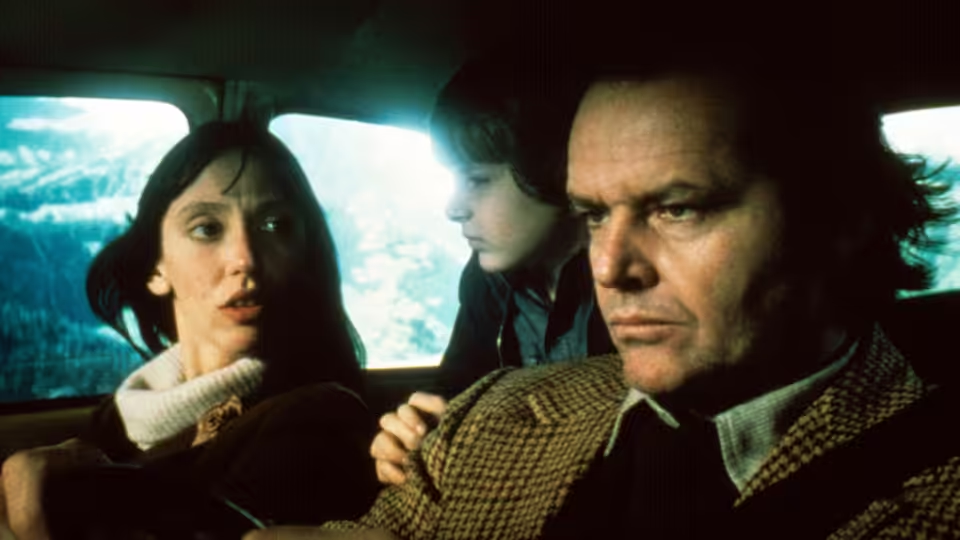
Jack Torrance (Jack Nicholson) drives a car through snowy mountains with Wendy Torrance (Shelley Duvall) and Danny
Film review

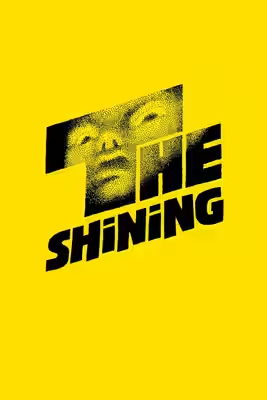
The Shining

1980 · Directed by Stanley Kubrick · 2h 24m · MPA R

In a sentenceThe hotel tour is frightening enough before Jack Nicholson starts making matters worse

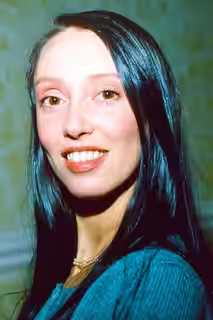
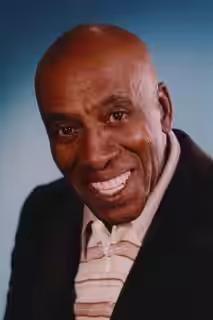
Jack Torrance (Jack Nicholson), Wendy (Shelley Duvall) and Danny (Danny Lloyd) are a family isolated at the Overlook Hotel in winter. The hotel’s past threatens their stay, while Jack’s state of mind puts the family’s relationships under increasing strain. As they explore their surroundings, the danger becomes difficult to separate from the tensions between them. Scatman Crothers plays Hallorann in Stanley Kubrick’s adaptation of Stephen King’s novel, with a screenplay by Kubrick and Diane Johnson. The story follows the Torrances as the hotel’s history and their own troubles begin to intrude on their lives together.

Plays from YouTube when you press play; nothing loads from them until then.

Fi1m review

Stanley Kubrick’s hotel horror remains frightening even when Jack Nicholson makes the danger too obvious. We recommend it for the patient tracking shots, oppressive music and attention to what a troubled family does to itself.

Stanley Kubrick’s The Shining is frightening, carefully made horror with a central performance that sometimes pushes too hard. Kubrick and co-writer Diane Johnson adapt Stephen King’s novel around a family isolated at the Overlook Hotel. The building’s evil history matters, but so does the unhappiness the Torrances bring into it. We spend much of the film watching people occupy rooms they cannot make comfortable.

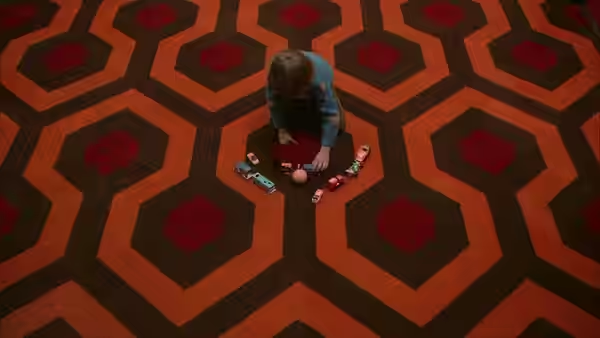
The early tour of the hotel is enough to make us want the family to leave. We felt uneasy before we could point to a single immediate danger. Kubrick’s Steadicam tracking shots give us time to look at the rooms while making it difficult to stop looking ahead, and the measured movement begins to feel threatening in itself. Roy Walker’s production design supplies the geometric spaces that make this work: the family looks exposed even when it is indoors.

John Alcott’s winter cinematography makes the isolation convincing, and the images remain oppressive even when we have time to examine them. There is something disturbing about being able to study a place so carefully and still feel uncomfortable in it. Ray Lovejoy’s editing gives these views time to become unsettling, rather than treating every shot as preparation for a sudden interruption. At 144 minutes, this is a sustained demand on our nerves, although some of the slower passages give us too much time to appreciate the technique.

The music makes those long looks harder to bear. Wendy Carlos and Rachel Elkind share the music credits with Krzysztof Penderecki, György Ligeti and Béla Bartók. The assembled score sustains tension through passages in which the camera gives us ample time to study the hotel. It does not simply wait for a shock and then announce it. We are left watching a room while the sound tells us something is wrong, and waiting becomes uncomfortable even when there is little happening.

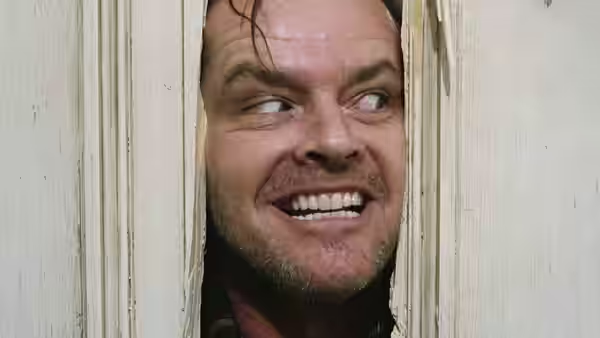
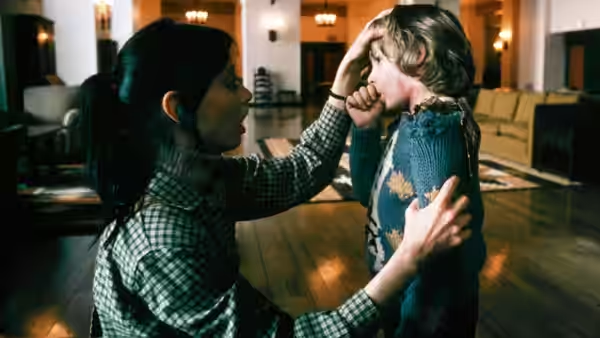
Nicholson is funny as well as frightening, and there are moments when the comedy is a relief we would rather not have been given. His broad performance makes Jack’s instability plain, but it also weakens the sense that the family might ever have managed a tolerable life together. Shelley Duvall’s Wendy and Danny Lloyd’s Danny give the family scenes the vulnerability they need. Duvall, especially, makes the strain of sharing space with Jack feel exhausting, and we find ourselves attending to her rather than waiting for his next display.

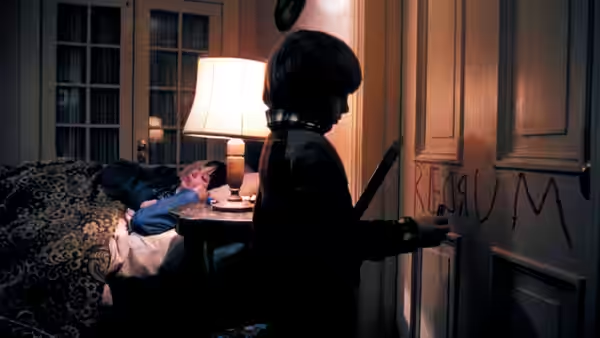
Against the usual haunted-building story, the emphasis on family unhappiness is what gives the film its force. The hotel’s history provides menace, but Kubrick keeps returning our attention to the people who must endure one another inside it. He does not explain every uncertainty, and we would not pretend every part of the story is equally convincing. Still, the feeling of being trapped with a person who frightens us needs little explanation, and the performances make that fear difficult to dismiss.

Give it an uninterrupted evening, and resist the temptation to wait only for Nicholson to become alarming. Duvall deserves just as much attention. For all the hotel’s menace, sharing a room with Jack already looks like hard work.
Critical consensus AI synthesised

75
Positive
14
Mixed
1
Negative
3
Radio Times
★★★★★ · Adrian Turner
100

Kubrick's adaptation of King's novel chills rather than shocks through stealth and eerie discomfort, with an overpowering Steadicam technique and Nicholson's hammy yet deeply disturbing performance.

Read the full review →
Empire
1 January 2012 · Ian Nathan
90*

Kubrick elevates horror with meticulous technique and psychological depth, ditching formulaic elements for a study in madness. The film is technically unmatched in the genre, with unforgettable imagery and sound design that unsettles rather than shocks directly.

Read the full review →
The Independent
14 March 1999 · David Thomson
90*

Thomson calls The Shining the Kubrick film he loves most and finds it a mysterious, rapturous work of beauty. He singles out the Gold Room scenes with the ghostly barman and Grady for their exquisite, fiction-like descent and luminous atmosphere.

Read the full review →
The New York Times
23 May 1980 · Janet Maslin
90*

Kubrick's horror film is spellbinding and diabolical in its depiction of the Torrance family's tour of the Overlook Hotel. The director excels at building an atmosphere of dread through the isolated setting and performances.

Read the full review →
Time Out
30 October 2012 · 5 out of 5 stars · Ben Walters
90*

The critic calls it a masterpiece that demands big-screen viewing, praising how Kubrick transforms the Overlook Hotel into a warped environment of mental instability and supernatural menace. The review notes some daft scare shots and length issues in the longer US cut but affirms its status as essential cinema.

Read the full review →
Film Comment
1 July 1980 · Richard T. Jameson
85*

The critic views The Shining as a characteristically Kubrickian work that prioritizes formal and spatial concerns over conventional horror tropes or jump scares. He singles out the innovative Steadicam tracking shots and the film's geometric treatment of the Overlook Hotel's spaces for particular praise.

Read the full review →

Straight answers AI written, from our review

Is The Shining worth watching?
The Shining is worth watching for anyone who can bear two and a half hours of slow, oppressive horror, and we scored it 88. Kubrick's patient tracking shots, the assembled music and Shelley Duvall's exhausted Wendy make the fear hold, even when Jack Nicholson pushes the danger harder than he needs to. Give it an uninterrupted evening.
How long is The Shining, and what is it rated?
The Shining runs 2h 24m and is rated R by the MPA in the US. It is a horror and thriller film.
Where can I watch The Shining in the US?
The Shining is available to rent from Amazon Prime Video from $5.99. Availability is checked daily; the links above go straight to each service.
How violent or frightening is The Shining, and is it suitable for children?
The Shining is a 15 certificate in the UK and R in the US, and it is not suitable for children. The fear comes less from sudden shocks than from long, uneasy looks at rooms while the music tells us something is wrong, and from a father whose instability makes the family scenes hard to sit through. Squeamish viewers will find the sustained dread harder than any single image.
How does The Shining compare to Don't Look Now?
The Shining is the more frightening film; Don't Look Now is the sadder one. Kubrick makes fear out of isolation and a family that cannot live comfortably together, while Roeg makes it out of grief and a couple worth caring about, cut together in fractured pieces. Choose The Shining for sustained dread, Don't Look Now if you want the fear to hurt.
Is The Shining based on a true story or a book?
The Shining is based on Stephen King's novel of the same name, not on a true story. Kubrick and co-writer Diane Johnson adapt the book around a family isolated at the Overlook Hotel, keeping the building's evil history but putting the family's own unhappiness at the centre. You do not need to have read the novel to follow the film.
What should I watch after The Shining?
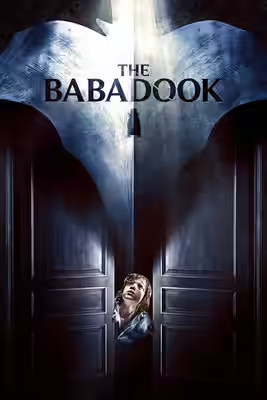
After The Shining, try Don't Look Now (1973, Fi1m 90): For family grief made frightening through patient editing and an unfamiliar city. Then Cure (1997, Fi1m 85): Patient, disquieting horror that makes ordinary rooms difficult places to endure; and The Babadook (2014, Fi1m 86): A domestic nightmare with a mother and child at its uncomfortable centre.

Cast

Awards

Golden Raspberry Award for Worst Actress, 1981

Nominated
Golden Raspberry Award for Worst Actress

Golden Raspberry Award for Worst Director, 1981

Nominated
Golden Raspberry Award for Worst Director

If you liked this, try…

  1. The Innocents (1961) · not reviewed yetAnother isolated household where adult distress makes the children’s surroundings frightening.

  2. Don't Look Now (1973, Fi1m 90)For family grief made frightening through patient editing and an unfamiliar city.

  3. Cure (1997, Fi1m 85)Patient, disquieting horror that makes ordinary rooms difficult places to endure.

  4. The Devil's Backbone (2001) · not reviewed yetChildren face a haunting shaped by the violence of the adult world.

  5. The Babadook (2014, Fi1m 86)A domestic nightmare with a mother and child at its uncomfortable centre.

Free account

Know what to watch tonight

Two lists that know where things are streaming, collections you can share, your own score beside ours, and Discover that remembers what you have seen.

  • Want to see, sorted by what is streaming now
  • Seen, with your score out of ten
  • No adverts, ever