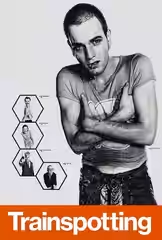
The reviews lean heavily positive, and the praise lands first on Danny Boyle’s direction: the speed of the editing, the swings from squalor to fantasy, the camera that never rests. Most critics single out Ewan McGregor’s Renton as the anchor, low-key and likeable in a part that could have repelled, and nearly all mention the soundtrack. The black comedy is credited with making a heroin story watchable without softening it, and several note the warmth of the friendships underneath the mess.
The reservations gather around depth and structure. The New Yorker admires the energy but finds the serious moments thin and the aggression wearing, and doubts anyone will want a second viewing. /Film thinks the episodic shape never recaptures the charge of the opening, and that the film has dated. Eye for Film enjoys it and is still left unmoved, blaming a cynical tone that underplays the tragedy. The spread is otherwise narrow; nobody dislikes it, and even the two mixed notices credit the set pieces and the performances.
R
RogerEbert.com
26 July 1996 · ★★★★/4 · Roger Ebert
100
The film captures the fierce camaraderie among heroin addicts in Edinburgh with pragmatic insight into their exhausting routines and shared humor. It singles out the intense, circular nature of addiction and the bonds formed among the misfits as its core strength.
Read the full review →T
The Times
24 May 2024 · ★★★★★ · Kevin Maher
100
Danny Boyle’s black comedy groundbreaker about heroin addicts in Leith is still addictive. It is a wall-to-wall megamix of music and image that remains easy to start, all-consuming and impossible to quit.
Read the full review →E
Empire
1 January 2000 · Neil Jeffries
90*
The critic praises the film for glorifying youth and its raw energy rather than heroin, highlighting the strong performances, Boyle's direction, and the soundtrack as creating an unmatched piece of entertainment.
Read the full review →S
Sight and Sound
16 February 2016
90*
The film was a pop-cultural phenomenon and defining British movie of its era, dazzling from the first frame with audacious technique, frenetic editing and a captivating central performance. It captures both the horror of addiction and the joy of youth and camaraderie in a way that made it an unlikely commercial and cultural hit.
Read the full review →G
The Guardian
12 January 2017 · Peter Bradshaw
90*
Danny Boyle's 1996 film holds up terrifically well in this re-release ahead of the sequel. It is a supercharged story of drugs, violence and growing up with sulphurous humour and brutal recklessness, matching the spirit of films like Goodfellas while adding British social-realist pessimism.
Read the full review →T
Time Out
6 December 2011 · TCh
90*
The critic calls it a triumph that captures precisely the novel's insolent, amoral intelligence with audacious pitch-black comedy, virtuoso direction, and bravura performances, especially McGregor's low-key charismatic Renton. It crystallises youthful disaffection with the verve of the best pop culture and is deemed a sensation.
Read the full review →S
Slant Magazine
31 May 2026 · Chris Cabin
85*
The critic highlights Boyle’s smart, skillful adaptation of the novel and its fluid, propulsive direction that mirrors the highs and lows of addiction. They single out the film’s effective use of digressions, black humor, horror, and dynamic camerawork for praise.
Read the full review →N
The New York Times
19 July 1996 · Janet Maslin
80*
The stylish irreverence and gleeful directorial approach turn the vile subject matter into jubilant, fresh entertainment despite graphic shocks. It singles out the clever dissonance between outlaw characters and slick cinematic style for praise.
Read the full review →V
Variety
11 February 1996 · Derek Elley
75*
Scabrous, brutal and hip, the inventive film delivers a Clockwork Orange for the 1990s with visual flair and nonjudgmental tone that delights niche audiences. It singles out the sustained humor, character involvement, and matching visual style for its wild swings in tone.
Read the full review →N
The New Yorker
15 July 1996 · Anthony Lane
50*
The critic finds the film scuzzy, soiled, and furious yet impressive for its cheeky positive charge on heroin culture and its energetic, episodic style with inventive sequences and strong performances. However, it lacks depth in serious moments, relies too heavily on novelty and aggression, and leaves the viewer unlikely to want to watch it again.
Read the full review →D
Den of Geek
15 March 2016 · Andrew Blair
80*
The piece celebrates the film’s inventive blend of humor, darkness, and visual flair that has stood the test of time. It singles out Boyle’s kinetic direction, the iconic soundtrack, and the balance between grim realism and euphoric fantasy sequences.
Read the full review →E
Eye for Film
19 January 2001 · Symon Parsons
75*
The critic calls Trainspotting the most important UK film in years and praises it as a brash, stylish, energetic piece with a witty script, cool soundtrack and strong performances, especially Ewan McGregor's. They note it is hard to dislike but ultimately unmoved by it due to a cynical tone that underplays tragedy.
Read the full review →/
/Film
27 June 2022 · Lee Adams
50*
The film still bristles with anarchic energy and features excellent set pieces and strong performances, especially from McGregor, but suffers from an episodic structure that fails to recapture the opening sequence's exhilaration and has visibly dated.
Read the full review →Ordered by the weight we give each publication, then by score. Scores are normalised to 100; * means inferred from an unrated review. Summaries are ours, not quotations; follow the links for the reviews themselves. How we rate