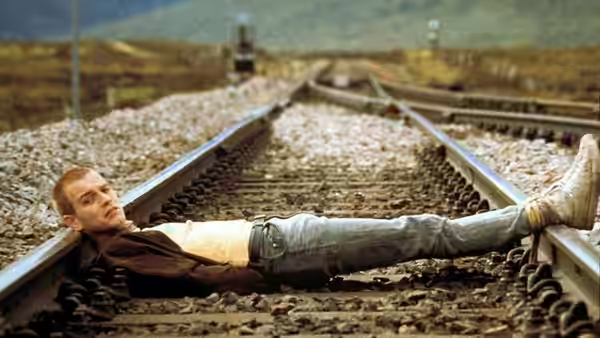
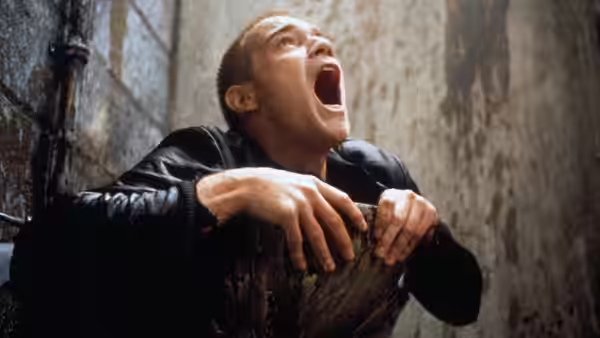
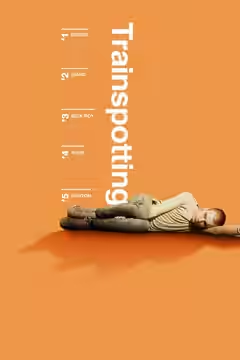
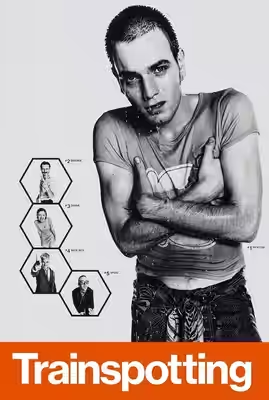
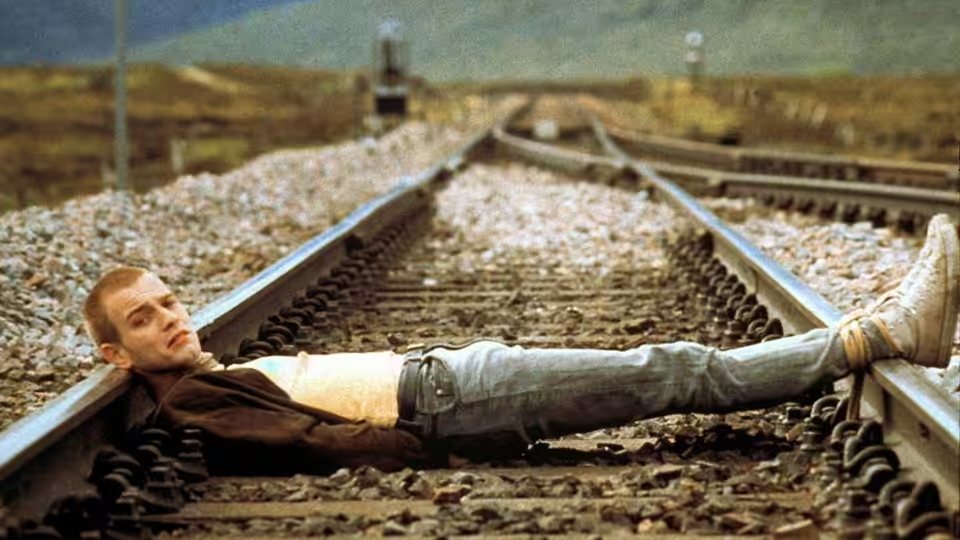
Renton (Ewan McGregor) lying on railway tracks between the rails
Film review

Trainspotting

1996 · Directed by Danny Boyle · 1h 34m · MPA R

In a sentenceNinety-four minutes with men we would watch again and never give a spare key

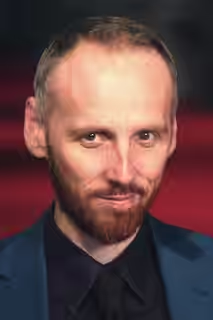
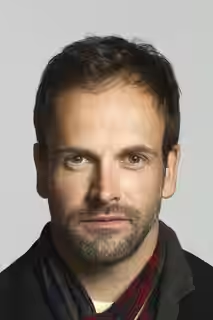
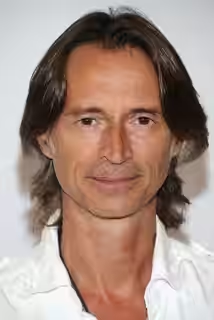
Renton (Ewan McGregor) belongs to a circle of Edinburgh friends whose lives are caught up in heroin addiction. Their shared jokes and reliance on familiar company make an exhausting routine easier to bear, while binding them to the same habits and the same people. The story follows the repeated demands of addiction and the friendships that persist around it. Ewen Bremner plays Spud, Jonny Lee Miller plays Sick Boy and Robert Carlyle plays Begbie, with Kelly Macdonald as Diane. Danny Boyle directs John Hodge’s adaptation of Irvine Welsh’s novel.

Plays from YouTube when you press play; nothing loads from them until then.

Fi1m review

Danny Boyle’s Trainspotting is fast, funny and frightening, and we recommend it warmly. The actors keep its Edinburgh addicts human, though the editing sometimes rushes past suffering that needs more time.

Danny Boyle’s Trainspotting is a funny, punishing film about heroin addiction, and we recommend it warmly. It understands why anyone might keep returning to bad company: these Edinburgh men enjoy being together, even when their lives are exhausting. Boyle gives the humour room to work, trusting us to notice what the routine costs them. Much of the film’s force comes from the repeated business of getting through another day.

Ewan McGregor makes Renton engaging enough that we do not spend the film congratulating ourselves on being more sensible than he is. His ease with the humour makes the group’s repetitive life briefly seem bearable. Ewen Bremner’s Spud and Robert Carlyle’s Begbie have sharply different comic presences, and Boyle lets those differences unsettle the tone. We laughed at the men’s jokes, then felt uncomfortable about how quickly we had accepted their daily routine. The camaraderie is appealing enough to make the prospect of leaving this group seem difficult.

Brian Tufano’s cinematography gives the men a visual polish which their behaviour hardly deserves. It is an effective choice: we look at them with an attention they might not get in a more dutiful social drama. Kave Quinn’s production design gives them surroundings that make the polished photography feel faintly indecent. The places they occupy are uncomfortable to contemplate, however well they photograph. Boyle occasionally seems too pleased with a visual flourish, especially when the actors could have held our attention without it.

Masahiro Hirakubo’s editing does more than keep things brisk. The movement between shared jokes and graphic unpleasantness keeps changing how much we want to be in this company, while the repeated routines show how little is changing for the men themselves. The soundtrack is an important part of that speed; the music helps make the abrupt changes in tone feel deliberate. We sometimes wished Hirakubo would wait longer after a shock. A quick return to speed can leave too little time to think about what has just happened.

John Hodge’s screenplay, adapted from Irvine Welsh’s novel, gives the humour a useful bluntness. These men do not seem to be explaining themselves for the benefit of an outsider, and their familiarity with one another saves the film a lot of exposition. The weakness is that the quick characterisation sometimes leaves the supporting men with little space beyond their contribution to the group. The performances make us want more of them. Hodge and Boyle could have afforded them a few quieter stretches, away from the pressure to produce another laugh or another jolt.

Drug dramas can become tedious when every scene seems to have been written to discourage imitation. Boyle allows the men to be funny and objectionable without demanding that we decide immediately how much sympathy each deserves. At 94 minutes, the film leaves little room for our attention to wander, though its graphic shocks deserve to be taken seriously. The humour helps keep the unpleasantness from becoming numbing. Watch it in one sitting, with someone who does not need the characters to be well behaved.

Critical consensus AI synthesised

82
Positive
11
Mixed
2
Negative
0

The reviews lean heavily positive, and the praise lands first on Danny Boyle’s direction: the speed of the editing, the swings from squalor to fantasy, the camera that never rests. Most critics single out Ewan McGregor’s Renton as the anchor, low-key and likeable in a part that could have repelled, and nearly all mention the soundtrack. The black comedy is credited with making a heroin story watchable without softening it, and several note the warmth of the friendships underneath the mess.

The reservations gather around depth and structure. The New Yorker admires the energy but finds the serious moments thin and the aggression wearing, and doubts anyone will want a second viewing. /Film thinks the episodic shape never recaptures the charge of the opening, and that the film has dated. Eye for Film enjoys it and is still left unmoved, blaming a cynical tone that underplays the tragedy. The spread is otherwise narrow; nobody dislikes it, and even the two mixed notices credit the set pieces and the performances.

RogerEbert.com
26 July 1996 · ★★★★/4 · Roger Ebert
100

The film captures the fierce camaraderie among heroin addicts in Edinburgh with pragmatic insight into their exhausting routines and shared humor. It singles out the intense, circular nature of addiction and the bonds formed among the misfits as its core strength.

Read the full review →
The Times
24 May 2024 · ★★★★★ · Kevin Maher
100

Danny Boyle’s black comedy groundbreaker about heroin addicts in Leith is still addictive. It is a wall-to-wall megamix of music and image that remains easy to start, all-consuming and impossible to quit.

Read the full review →
Empire
1 January 2000 · Neil Jeffries
90*

The critic praises the film for glorifying youth and its raw energy rather than heroin, highlighting the strong performances, Boyle's direction, and the soundtrack as creating an unmatched piece of entertainment.

Read the full review →
Sight and Sound
16 February 2016
90*

The film was a pop-cultural phenomenon and defining British movie of its era, dazzling from the first frame with audacious technique, frenetic editing and a captivating central performance. It captures both the horror of addiction and the joy of youth and camaraderie in a way that made it an unlikely commercial and cultural hit.

Read the full review →
The Guardian
12 January 2017 · Peter Bradshaw
90*

Danny Boyle's 1996 film holds up terrifically well in this re-release ahead of the sequel. It is a supercharged story of drugs, violence and growing up with sulphurous humour and brutal recklessness, matching the spirit of films like Goodfellas while adding British social-realist pessimism.

Read the full review →
Time Out
6 December 2011 · TCh
90*

The critic calls it a triumph that captures precisely the novel's insolent, amoral intelligence with audacious pitch-black comedy, virtuoso direction, and bravura performances, especially McGregor's low-key charismatic Renton. It crystallises youthful disaffection with the verve of the best pop culture and is deemed a sensation.

Read the full review →

Straight answers AI written, from our review

Is Trainspotting worth watching?
Trainspotting is worth watching for anyone who can take a funny, punishing film about heroin addiction, and we scored it 88. Ewan McGregor keeps Renton engaging enough that we never feel superior to him, and the 94 minutes leave little room for attention to wander. Our reservation is that the editing sometimes rushes past suffering that needs more time.
How long is Trainspotting, and what is it rated?
Trainspotting runs 1h 34m and is rated R by the MPA in the US. It is a drama and crime film.
Where can I watch Trainspotting in the US?
Trainspotting is not on any streaming or rental service in the US at the moment. It is available in 24 other countries; change your country at the top of the page to see where. Availability is checked daily.
How violent or frightening is Trainspotting, and is it suitable for children?
Trainspotting is certified 18 in the UK and is not suitable for children. It contains graphic drug use and abrupt shifts from shared jokes to graphic unpleasantness, and Robert Carlyle's Begbie is an unsettling presence. The squeamish should know that the shocks are meant to be taken seriously, even when the humour around them is quick.
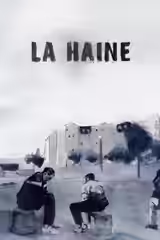
How does Trainspotting compare to La Haine?
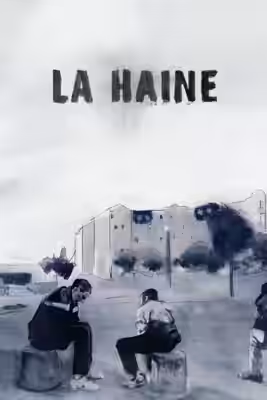
Trainspotting and La Haine both follow restless young men in volatile friendships within cities that offer them little patience. Boyle's film is the faster and funnier of the two, driven by heroin and abrupt changes of tone; Kassovitz's is angrier and more direct about the hostility surrounding its three friends. We recommend both, but the Edinburgh film is the one for viewers who want to laugh before they wince.
Is Trainspotting based on a true story or a book?
Trainspotting is based on Irvine Welsh's novel, adapted for the screen by John Hodge, not on a true story. Hodge's screenplay gives the humour a useful bluntness and trusts the men's familiarity with one another to carry the exposition. You do not need to have read the book; the film explains as much as it wants to.
What should I watch after Trainspotting?
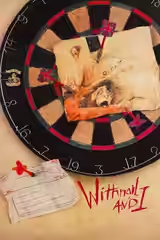
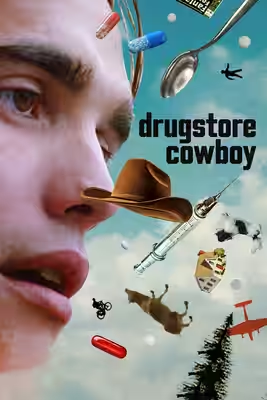
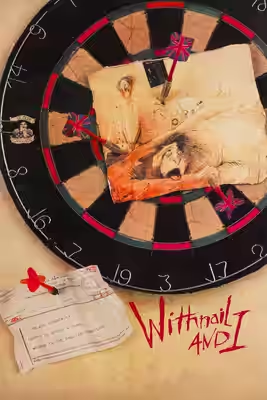
After Trainspotting, try Drugstore Cowboy (1989, Fi1m 83): Another drug-taking circle whose everyday practicalities matter as much as the damage. Then La Haine (1995, Fi1m 90): Restless young men, volatile friendships and a city that offers little patience; and Withnail and I (1987, Fi1m 88): For the jokes that make appalling company surprisingly difficult to leave.

Cast

Awards

Academy Awards, 1997

Nominated
Best Writing, Adapted Screenplay

Bodil Award for Best Non-American Film, 1997

Won
Bodil Award for Best Non-American Film

Chlotrudis Award for Best Director, 1997

Nominated
Chlotrudis Award for Best Director

Independent Spirit Awards, 1997

Nominated
Best Foreign Film

London Film Critics Circle Award for British Actor of the Year, 1997

Won
London Film Critics Circle Award for British Actor of the Year

MTV Movie Award for Best Breakthrough Performance, 1997

Nominated
MTV Movie Award for Best Breakthrough Performance

Satellite Award for Best Adapted Screenplay, 1997

Nominated
Satellite Award for Best Adapted Screenplay

Satellite Award for Best Film, 1997

Nominated
Satellite Award for Best Film

Writers Guild of America Award for Best Adapted Screenplay, 1997

Nominated
Writers Guild of America Award for Best Adapted Screenplay

BAFTA Film Awards, 1996

Nominated
Best British Film
Won
Best Adapted Screenplay

Boston Society of Film Critics Award for Best Foreign Language Film, 1996

Won
Boston Society of Film Critics Award for Best Foreign Language Film

Golden Space Needle, 1996

Won
Golden Space Needle

If you liked this, try…

  1. Drugstore Cowboy (1989, Fi1m 83)Another drug-taking circle whose everyday practicalities matter as much as the damage.

  2. La Haine (1995, Fi1m 90)Restless young men, volatile friendships and a city that offers little patience.

  3. Withnail and I (1987, Fi1m 88)For the jokes that make appalling company surprisingly difficult to leave.

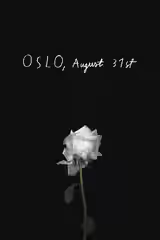
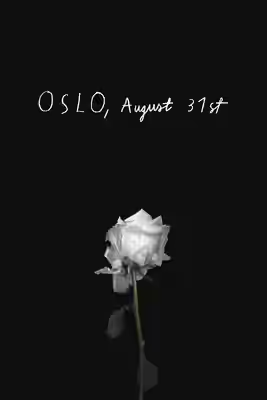
  4. Oslo, August 31st (2011) · not reviewed yetA quieter account of addiction, attentive to the difficulty of ordinary conversation.

  5. Daisies (1966, Fi1m 85)For anarchic humour and young people who make terrible behaviour look enticing.

Free account

Know what to watch tonight

Two lists that know where things are streaming, collections you can share, your own score beside ours, and Discover that remembers what you have seen.

  • Want to see, sorted by what is streaming now
  • Seen, with your score out of ten
  • No adverts, ever